Italy's postwar reconstruction period
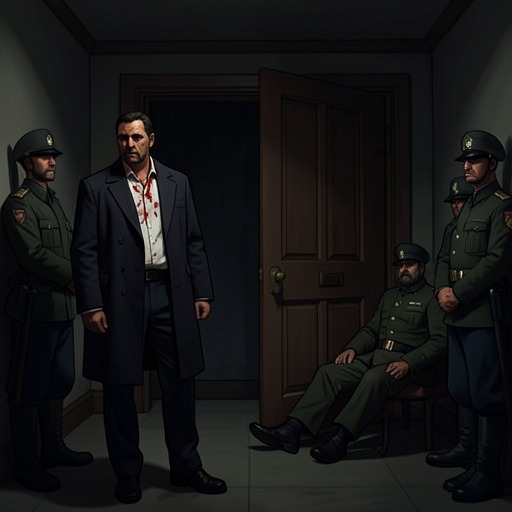
Man on FireItaly's postwar reconstruction period is presented as a time when economic recovery and the revival of organized crime advanced together. The restoration of democratic justice released both innocents and criminals from Fascist and German-era imprisonment, while reconstruction created new sources of legitimate income—and new opportunities for criminal profit.
Liberation and the Return of Criminal Power
Under Fascist rule, first Italian and then German, criminals had been weakened: even prominent, well-organized figures had been shot or imprisoned, alongside many innocent people. The Americans liberated the city and released the innocents, but the criminals were released with them. The account therefore makes liberation an ambivalent turning point: justice returned, but so did the people and networks that had lost power under authoritarian rule. Justice and crime resumed their place in Italy side by side.
Reconstruction and Re-established Networks
By the early 1950s, the organization had reassembled its operations. It brought prostitutes, many driven into the trade by hunger, under its control, assigning districts and pimps and taking a share of the proceeds. At the same time, wartime damage was repaired with Marshall Aid. Restaurants, shops, taxi operators, and landlords returned to profitable business; criminal bosses offered them protection from other criminals and collected payment for the service. The racket drew its strength from attaching itself to ordinary commercial recovery, presenting protection as a service while making businesses pay for it.
The Docks and a Criminal Fortune
One boss was assigned an area behind the docks, where his work was to convince local small businessmen that protection was necessary. After establishing the threat, he supplied the protection himself. His success brought permission to operate on the docks, where his gang carried out large-scale theft from the supplies and equipment arriving for postwar reconstruction. They diverted goods and usually resold them to the original consignees. The profits enabled him to buy the building that housed the present Pensione Splendide, linking the revived criminal economy to a lasting property investment. Reconstruction thus repaired physical damage while also furnishing the traffic and profits through which criminal influence could take root again.