Wally Wightman—Paddy Collins
Man on FireWally Wightman and Paddy Collins are Australian partners whose relationship joins unconventional domestic roles to practical loyalty. After illness and mounting costs leave them stranded in Rome with a mobile home to sell, they must choose between getting themselves to safety and helping Creasy. Their disagreement does not break their partnership: Wally ultimately stays with Paddy, and their easy affection returns as they take part in Creasy’s effort.
Meeting and Shared Plans
Wally and Paddy meet while both are teaching English in Turin. Wally is a perennial student who had found temporary work at a night school; Paddy had spent twelve years as an executive secretary in Brisbane before giving up her job to travel through Europe. Their shared work brought them together, and their relationship redirected the trip: instead of simply travelling, Paddy fell in love with Wally.
The attraction is described through what each values rather than through conventional romantic polish. Paddy is drawn to Wally’s complete indifference to accepted standards of female beauty; her size does not trouble him. He values her mind and rough humor, as well as the forcefulness she brings to organizing their life. The narrative presents their pairing as an affectionate match made possible by their regard for one another, not by conformity to outside expectations.
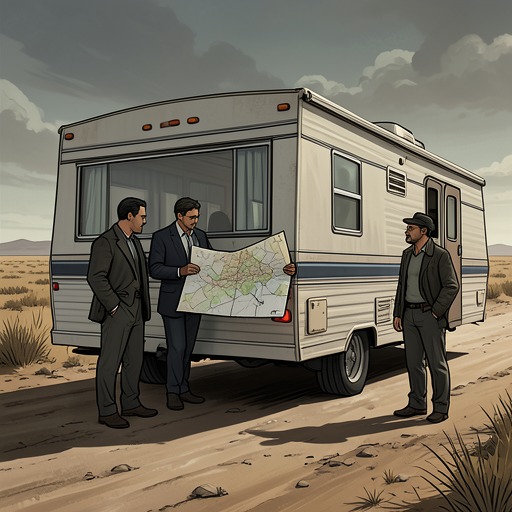
Their practical plans are also shared. After a good winter and early summer, they pool their resources to buy a Mobex mobile home and hope to travel east, at least as far as Bombay, then ship it to Perth and drive across to Northern Queensland. They imagine taking up land and grants offered for developing remote areas and growing trees, living in the vehicle and perhaps raising children there. The plan is specific and joint: travel, work, and a possible family belong to the same hoped-for future.
A Relationship with Its Own Terms
The couple’s day-to-day arrangement reverses familiar gender expectations without becoming a source of conflict between them. Paddy organizes their affairs and creature comforts, and is dominating by day; Wally takes charge in bed, where she is described as submissive and quiet. The narrator calls the arrangement un-Australian, but emphasizes that it works for them. Its significance lies less in the reversal itself than in the ease with which each accepts the other’s preferred role.
That ease is tested by circumstances rather than by any loss of affection. Political changes in Iran make their intended eastward drive impractical. Then Paddy contracts jaundice, and hospital bills consume their resources. With no viable way to continue the trip, they decide to sell the Mobex and make the journey home as cheaply as possible. In Rome, they wait beside the vehicle for a buyer. Three days pass with little interest; the only inquiry comes from a man without money who proposes smuggling Pakistani immigrants into Britain. Their shared adventure has narrowed into a financial predicament, but they face it together.
The Choice to Stay
Their relationship comes under sharper pressure when Paddy sees Creasy’s face on the front pages of newspapers. Wally reacts to the danger in practical terms: the police and others are searching for Creasy, and he urges Paddy to take the money and passports, go to the railway station, buy necessities in Brindisi, and catch the boat to Greece. Paddy refuses. Her decision is not presented as uncertainty about the risk; she understands that Creasy is alone and that the search is broad. She says she will help him rather than leave him on his own.
Paddy makes her reason plain: Creasy is making those responsible for Pinta Balletto’s rape and murder pay, and she considers his need for help sufficient reason to become involved. Her answer to Wally’s objection that the conflict is none of their business defines the loyalty she is prepared to offer beyond the couple itself. Wally initially resists not because he doubts Paddy’s conviction, but because he sees the danger as greater for a woman. He explains that his instinct is to help, while distinguishing the risk to himself from the risk to her. His concern is protective, even as it delays their agreement.
The exchange turns when Wally stops arguing and agrees to stay. Paddy reaches over and ruffles his hair; she welcomes his change of mind and tells him they should go. The affectionate gesture makes the shift tangible: their argument ends not with a victory over the other but with a decision to act together. Their partnership gives Paddy’s resolve support, and gives Wally a way to follow his own instinct without abandoning his concern for her.
Affection in Danger
Their reunion after the immediate separation is threatened is playful rather than solemn. When Wally is present again, Paddy rejects the suggestion that she could easily do without him and walks over to hug him affectionately. He jokes about protecting his new suit from being rumpled; she answers with physical affection rather than another argument. The exchange restores their familiar teasing, but its timing gives it weight: the embrace confirms that the decision to help Creasy has not displaced their attachment to each other.
Wally later relates in detail how he followed Creasy’s instructions and asks what should happen next. This establishes that the couple’s decision has become practical assistance, not merely sympathy expressed during an argument. Their role in the story grows out of their existing way of being together: Paddy’s forceful moral commitment, Wally’s caution and care, and their capacity to turn disagreement into shared action. Against the threat surrounding Creasy, their partnership offers a small but concrete image of loyalty sustained by both affection and choice.