
A Writer Builds His Craft
Martin EdenThis thread traces Martin’s conversion of lived experience into literary ambition, apprenticeship, repeated failure, and eventual publication.
increasing Bearing strength in each event
 decreasing
Bearing strength in each eventdecreasingThe Writer’s Decision
A Career in Words
Experience seeks form
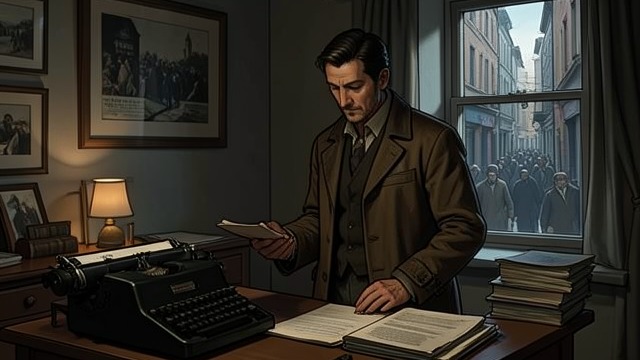
After the Solomon Islands expedition fails, Martin recognizes that his memories of sea and adventure can become more than private recollections. He wants to make readers see and feel what he has witnessed.
A new route upward
Writing appears to offer both a vocation and a path toward Ruth Morse. Martin imagines earning a living by his pen while continuing the study he believes will make stronger work possible.
First Manuscripts
Early Confidence
Writing at speed
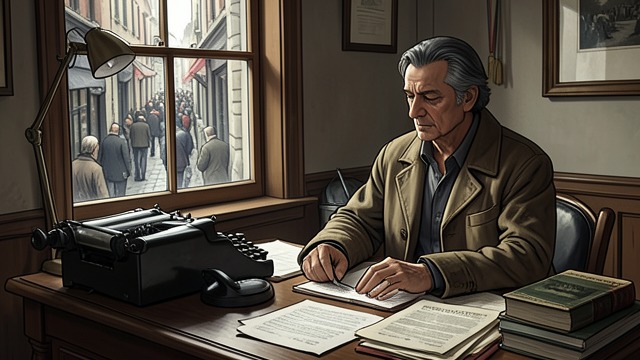
Martin produces a treasure-hunting article and an adventure serial with the confidence of a man who has never yet tested the literary market. He estimates earnings from published rates without understanding how difficult acceptance will be.
The first refusals
The San Francisco Examiner and Youth and Age return his work. Instead of abandoning the plan, he learns about paragraphs, typing, and submission practices, treating each setback as another lesson in apprenticeship.
The Craft of Expression

Form and Feeling
Studying technique
Martin reads magazines and craft books, examines the structure of successful writing, and tries poetry, stories, and essays. He wants to understand how language can carry an experience from one mind to another.
The communication problem
His early work often preserves the intensity of his feelings but fails to convey them clearly. Ruth Morse’s criticism makes the gap between powerful perception and effective expression painfully visible.
A Commercial Detour
Work for the Market
Learning the formula
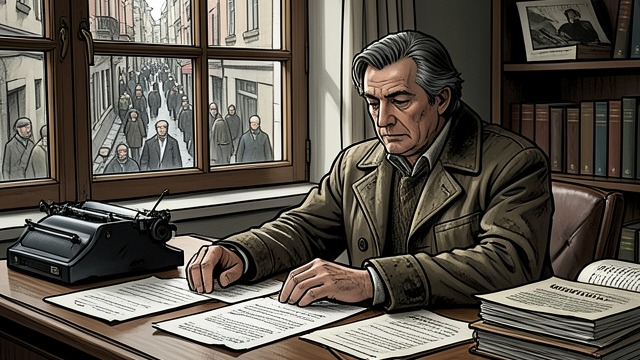
Facing poverty, Martin studies the predictable construction of newspaper storiettes. He builds repeatable plots and sells formulaic pieces, earning money from work he considers inferior to his serious writing.
A divided career
The commercial pieces keep food on the table but deepen his sense that artistic standards and market demand pull in different directions. He treats hack-work as temporary support for a more ambitious literary future.
The Delayed Breakthrough

Recognition Arrives Late
A first meaningful acceptance
During Martin’s illness, the White Mouse offers payment for The Whirlpool. The offer proves that a market exists for some of his work, though earlier publications and acceptances have brought low fees or no payment.
Success without immediate security
Later, The Shame of the Sun and Overdue gain publishers and readers. The recognition comes after years of hunger and doubt, transforming Martin’s prospects but not restoring the purpose he has lost.
On the return voyage from the failed treasure expedition
Soon after Martin settles back in Oakland
During Martin’s first sustained period of writing
After months of rejection and mounting debts
After Martin has nearly abandoned writing
