
Work Versus Creative Calling
Martin EdenThis thread follows the conflict between Martin’s artistic vocation and the economic demand that he pursue dependable, conventional employment.
increasing Bearing strength in each event
 decreasing
Bearing strength in each eventdecreasingWork for a Living

A Career Measured by Security
Ruth’s model of advancement
Ruth recommends formal education and points to successful men who have risen through discipline and practical work. To her, stability is the necessary foundation for a future family.
Martin’s different measure
Martin admires achievement but asks whether wealth earned at the cost of joy is worth its price. Even early in their relationship, he values beauty and creative possibility above a conventional salary.
The Laundry as a Warning
Labor Without Inner Life
Physical exhaustion
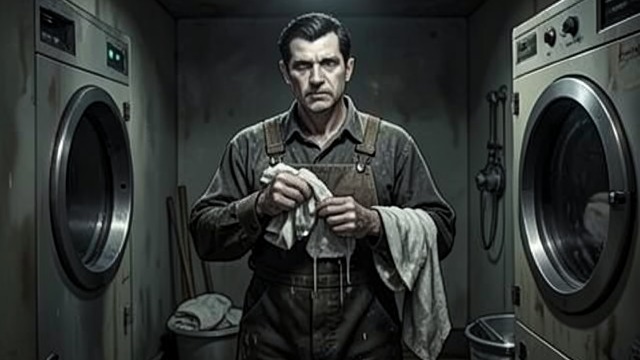
Laundry work leaves Martin too tired to read or write. His body performs a narrow sequence of tasks while the broad intellectual life he has built disappears from awareness.
A new judgment
He recognizes that excessive toil can destroy the conditions needed for thought and creativity. The experience challenges the claim that any work is automatically ennobling or healthy.
Hack-Work as Compromise

A Proposed Arrangement
Income before masterpieces
Martin proposes writing jokes, verse, and formula stories to earn a living, reserving his serious work for free hours. He presents the plan as a practical compromise.
Ruth’s objection
Ruth sees commercial writing as degrading and prefers a respectable position in her father’s office. Their disagreement exposes how each defines useful work and what kinds of labor preserve personal dignity.
The Reporter’s Alternative

A Stable Profession Offered
A path into journalism
Ruth suggests that Martin become a reporter, believing he could rise in journalism and earn a dependable salary. Her proposal would allow him to write while meeting conventional expectations.
A fear of self-betrayal
Martin argues that reportorial work would redirect his style and consume the energy needed for literature. He treats the job not as neutral employment but as a threat to the kind of writer he hopes to become.
Success Fails to Heal

Work Completed, Life Empty
The reward arrives
Martin’s books earn wealth and public attention after the period when he needed financial security most. He no longer has to accept the jobs once urged upon him.
The paradox persists
Money proves that his work can sell but cannot restore his lost desire. The career that promised freedom has succeeded externally while leaving him unable to value its rewards.
When Ruth first advises Martin about education and career
During Martin’s employment at Shelly Hot Springs
After Martin and Ruth become engaged
After Ruth questions Martin’s Love-cycle
After Martin’s literary earnings remove his debts
