
Fame and the Value of the Person
Martin EdenThis thread develops the novel’s contrast between the person Martin believes himself to be and the public figure created by reputation and money.
increasing Bearing strength in each event
 decreasing
Bearing strength in each eventdecreasingUnknown and Unwelcome

Work Without Recognition
A private measure of value
Martin believes his work is strong even while editors reject it and acquaintances urge him to find a job. His self-assessment is sustained by study and the conviction that his experience matters.
Society’s refusal
People who encounter him chiefly see poverty and roughness. His completed manuscripts have no visible value to those who might have offered support while he was struggling.
The Name in the Newspaper

Reputation Arrives Before Fame
A public identity imposed
A newspaper portrays Martin as a radical agitator and supplies a biography shaped for sensation. Neighbors respond to the label rather than to the man they actually know.
Material consequences
Credit disappears, relatives distance themselves, and Ruth is pressured to end the engagement. The episode shows reputation functioning as a social force even before it brings admiration.
The Bestseller’s Arrival
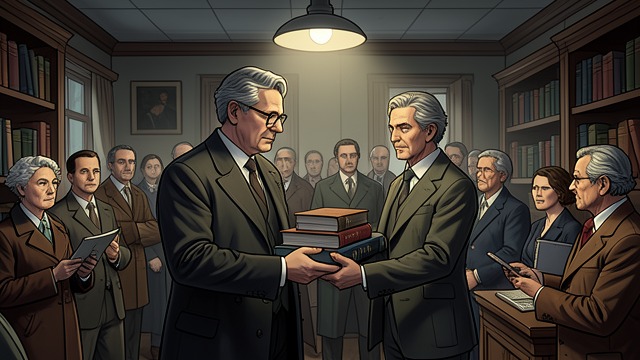
Fame Changes His Reception
Wealth and invitations
Martin’s book sells widely, publishers compete for further work, and people who once judged him now welcome him. His social value rises with every review and sales report.
A troubling discovery
The change occurs without a corresponding change in his character or in the work already completed. Martin begins to see that status has altered other people’s behavior more than success has altered him.
The Work Performed

A Question That Will Not End
The unspoken accusation
Martin remembers being hungry while people now claim they recognized his talent all along. He insists inwardly that the stories they praise are the same work they ignored before.
Merit and timing
He cannot accept that praise now proves the earlier judgments were sound. The phrase work performed becomes a measure of society’s tendency to honor outcomes only after success makes them safe to admire.
The Public Figure Disappears

Fame Without Identity
A stranger in portraits
Martin studies published photographs of himself yet cannot connect them to the person who lived, loved, fought, and learned. The celebrated author feels like an image produced by other people.
Emptiness beneath acclaim
He concludes that the crowd is feeding an idea of Martin Eden rather than the human being he knows himself to be. The gap between public value and private identity becomes one of the forces behind his despair.
During Martin’s years of unpaid writing
After Martin’s speech is misrepresented
After The Shame of the Sun triggers a public controversy
During Martin’s later dinners with former critics
Near the end, after Martin has sold his manuscripts
