
Idealism Meets Realism
Martin EdenThis thread follows Martin’s encounter with competing philosophies and his continuing attachment to evidence, experience, and intellectual independence.
increasing Bearing strength in each event
 decreasing
Bearing strength in each eventdecreasingAn Unprepared Philosophical Start
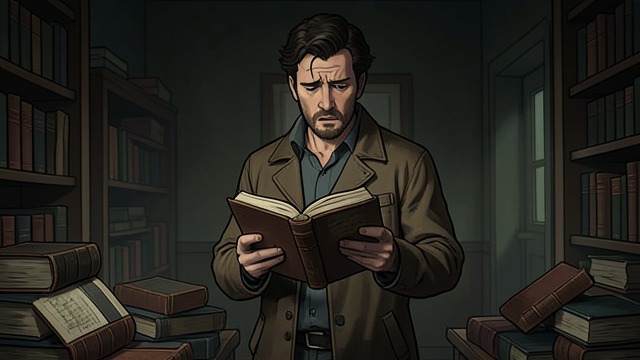
The Limits of Guesswork
Books beyond his preparation
Martin tries ambitious philosophical works before acquiring the vocabulary and conceptual background they require. Their difficulty makes him question his own mental ability.
A method needed
The failures teach him that independent thought still requires tools and context. His later intellectual confidence develops through repeated study rather than through a single revelation.
Spencerian Realism
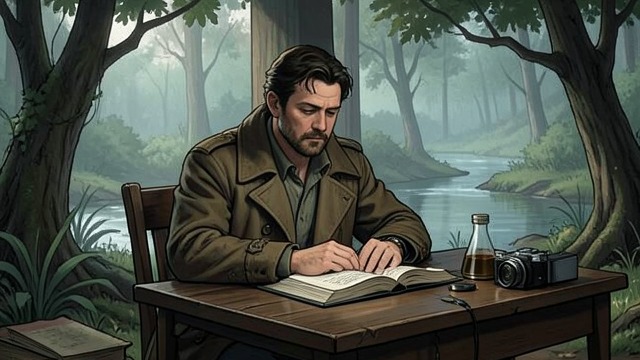
A World of Relations
Order instead of chance
Herbert Spencer presents Martin with an account in which phenomena develop through law and connect across fields. The framework makes the natural world feel intelligible and coherent.
Loyalty to evidence
Martin adopts realism because he trusts explanations grounded in observable relations. He treats this framework as a navigational instrument, even when others dismiss Spencer without reading him.
The Philosophers’ Room
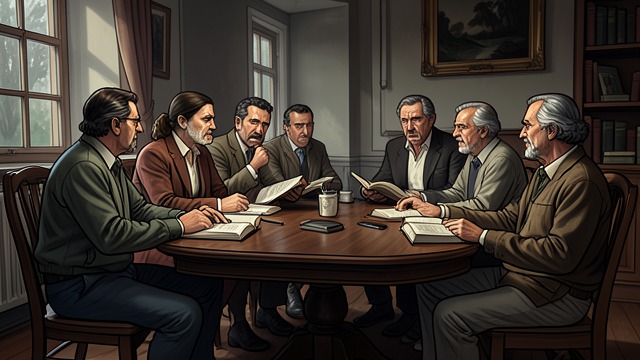
Living Argument
Competing accounts
Brissenden introduces Martin to a group of working-class thinkers, where idealists and materialists debate consciousness, matter, and knowledge. Philosophy becomes an intense social practice rather than a remote printed subject.
Martin’s response
Norton’s defense of idealism challenges Martin, while Kreis and Hamilton challenge Norton. Martin is stimulated by all sides but remains unable to accept a position simply because its defenders are confident.
A Realist Among Arguments

Certainty Becomes Provisional
New questions
Martin leaves eager to read more, convinced that the discussion revealed problems his earlier framework had not settled. He cannot simply dismiss idealism as foolishness.
Independent judgment
He remains a realist but now understands that serious thinkers can challenge his assumptions. The encounter strengthens inquiry even without producing conversion.
Philosophy Loses Its Hold
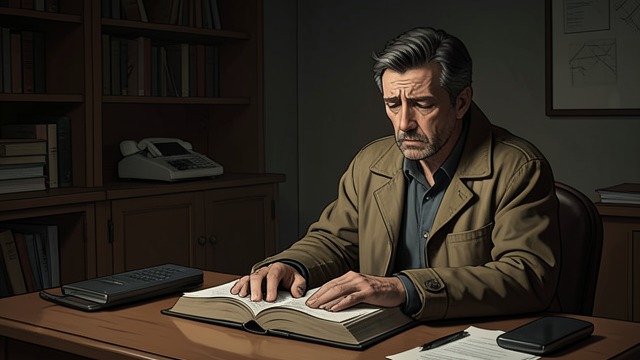
Ideas No Longer Sustain Him
Doubt spreads
After rejection, loss, and fame fail to bring fulfillment, Martin questions whether his philosophical convictions have any stable foundation. Nietzsche’s doubts about truth seem newly plausible.
Exhaustion rather than resolution
He does not arrive at a settled counter-philosophy. Instead, intellectual debate ceases to engage him, reflecting a wider collapse in his capacity to care about life.
During Martin’s earliest attempts at difficult philosophy
During Martin’s sustained reading of First Principles
During Martin’s first visit to Kreis’s gathering
On the ferry after the late-night philosophical debate
During Martin’s period of emotional collapse
