
Martin and Bernard Higginbotham
Martin EdenThis thread follows the hostility between Martin and his brother-in-law, which turns from everyday contempt into public sabotage and eventual financial accommodation.
increasing Bearing strength in each event
 decreasing
Bearing strength in each eventdecreasingDaily Contempt

A Household Opponent
Bernard’s small complaints
Bernard criticizes Martin over a painted door and treats him as a source of expense. Martin reads his behavior as petty and resents the control he exercises over Gertrude.
Conflict held in check
Martin feels the urge to fight but restrains himself. The household’s economic dependence and Gertrude’s position make open confrontation costly.
Suspicion of Drink
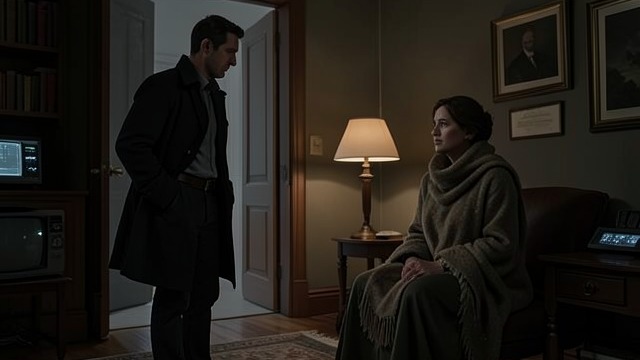
Beauty Mistaken for Intoxication
A false explanation
Martin comes home exhilarated by love and beauty, but Bernard assumes he is drunk. Gertrude accepts the explanation because it fits what she has been taught to expect of him.
Misrecognition persists
Bernard interprets Martin through a fixed image of a dissolute sailor. The incident establishes a pattern in which his brother-in-law’s inner life remains invisible to the household.
Anonymous Accusations

Sabotage Through the Press
A malicious letter
Martin recognizes Bernard’s grammar and habits in anonymous accusations that claim he steals stories. The letters attempt to damage Martin’s reputation with editors.
Hostility becomes deliberate
The attack reveals that Bernard’s contempt is not merely a response to Martin’s behavior. He is willing to interfere with his livelihood without giving him a chance to answer.
Public Scandal Deepens the Rift
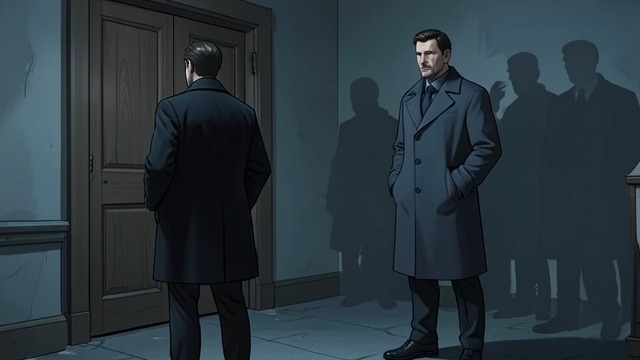
Family Disgrace Invoked
Bernard’s anger
Bernard is furious that Martin’s public image has brought embarrassment on the family. He forbids Martin from the house and reinforces the demand that he obtain a conventional job.
Martin refuses explanation
Martin believes his political position is too complex for Bernard to understand. Their conflict is now not only personal but rooted in incompatible ideas about work, class, and social order.
A Business Deal for Gertrude
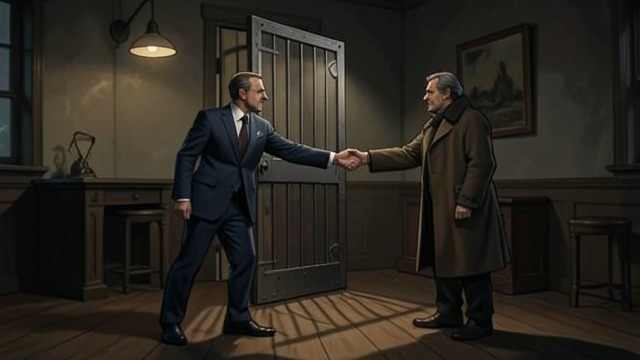
Money Changes the Balance
A generous proposal
Martin offers Bernard funds to expand the store, making the money conditional on ending Gertrude’s domestic drudgery. Bernard accepts because the business opportunity is attractive.
No moral reconciliation
Martin secures material relief for his sister but remains contemptuous of Bernard’s motives. Their relationship becomes more manageable through money without becoming a relationship of mutual respect.
When Martin returns from his first visit to the Morse home
After Bernard sees Martin return without his collar
After Martin’s writing begins to appear in magazines
After the newspaper misreports Martin’s socialist speech
After Martin’s literary fortune is established
