Hotel Metropole
Martin EdenHotel Metropole serves as a temporary refuge and point of departure for Martin Eden near the end of the novel. Its rooms frame his detachment from ordinary feeling, while the hotel’s office and meetings there connect his inward withdrawal to his planned voyage aboard the Mariposa.
Setting and Role
After leaving Lizzie Connolly at night school, Martin returns to Hotel Metropole and settles into a chair in his room. The hotel is not presented as a place that restores him; instead, it gives him privacy in which the emptiness of his state becomes unmistakable. He sits without dozing or thinking, occasionally watching vague images of leaves and sunlit branches form and disappear beneath his eyelids.
The room also marks a contrast between outward routine and inward absence. A knock briefly prompts Martin to think of ordinary explanations, including a letter or clean clothes from the laundry, but those practical expectations do not draw him back into engagement with life. Even the thought of Joe occupies him only fleetingly before his mind returns to blankness.
Withdrawal and Routine
The hotel becomes a destination after Martin arranges to meet Joe the following day. He stops in its office to consult the steamer schedule and learns that the Mariposa will sail for Tahiti in five days. He then gives the clerk precise instructions to reserve a stateroom below deck on the port side, emphasizing the requested location so it will be written down.
The clarity of these arrangements stands against Martin’s lack of anticipation. Tahiti and the South Seas, once objects of longing, no longer promise him renewal; he feels no zest for the journey and finds the act of departure wearying. After returning to his room, he sleeps comfortably for eight uninterrupted hours, but sleep has become oblivion, and waking brings regret rather than renewed purpose.
Final Meeting and Departure
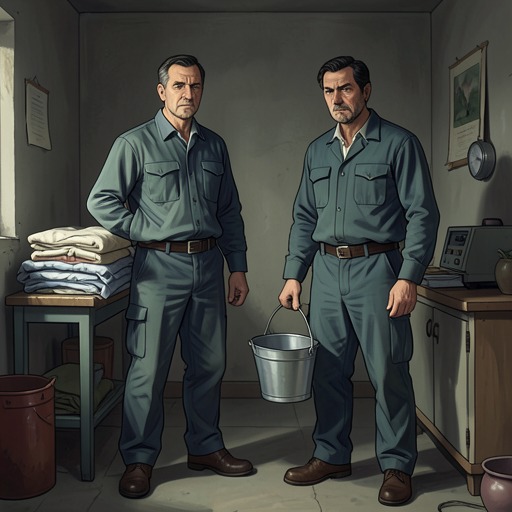
On the last day, Martin endures farewells, bills, and reporters before returning to the hotel, where Joe is waiting. Joe had been too occupied with the laundry to visit earlier. Martin considers this delay the last straw, yet he grips the arms of his chair and spends half an hour talking and listening to his old friend.
Their conversation brings the hotel’s practical function into focus: it is where Martin can still meet Joe and discuss what should happen next. Martin reminds Joe that he is not bound to the laundry and can sell it and take to the road whenever he wishes, urging him to choose the life that would make him happiest. Joe shakes his head. Martin’s attention to his friend is real but brief against the surrounding numbness; the hotel is both a final point of contact with his former life and the place from which his scheduled departure remains only a few days away.