Hunger
Martin EdenHunger is a recurring material pressure in Martin Eden’s life, not merely a sign of poverty: it changes how others read him, accompanies his most intense work, and contributes to the illness that interrupts his writing. Its effects also expose a divide between people who treat poverty as an abstract spur to success and those, like Maria Silva, who recognize need through daily experience.
A Visible but Misread Condition
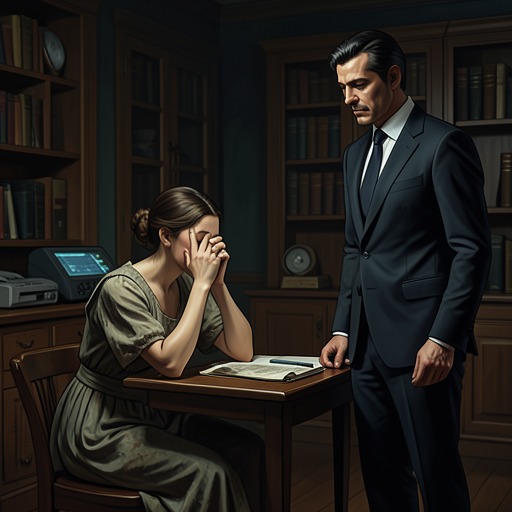
Martin’s deprivation becomes legible in his altered appearance. His face grows lean, and the hollows in his cheeks deepen; at times his eyes take on an unusual brightness. Ruth Morse notices these changes but does not recognize hunger in them. Instead, she regards his thinner appearance as a kind of refinement, as though it removed the excess physical vigor she both found attractive and disliked. The brightness, too, pleases her because it makes him appear more like the poet and scholar she hopes he will become.
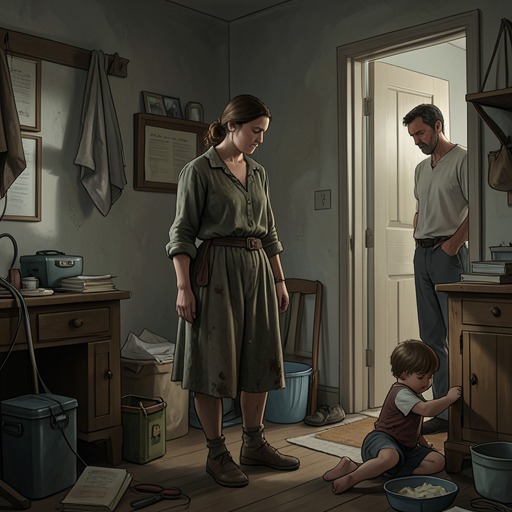
Maria reads the same signs differently. Familiar with poverty, she follows the changes in Martin’s face from day to day and connects them to the movement of his fortunes. When he leaves with his overcoat and returns without it, she notices both the loss and the slight return of fullness to his cheeks. She has likewise seen his bicycle and watch go, and has observed his vigor return after each sale. What Ruth interprets as progress toward an ideal is, to Maria, evidence of immediate material hardship and its temporary easing.
Work and the Sharing of Food
Hunger does not make Martin stop working. Maria observes how late he stays at his writing and is surprised that he seems to work harder when he has less food. Her response is practical and discreet: when she thinks hunger is pressing hardest, she sends him a loaf of freshly baked bread, passing the gesture off as a joke about his baking. At other times she sends one of her young children with a large pitcher of hot soup. She weighs the act against the needs of her own children, so the food is not an effortless gift but a choice made from within the same scarcity Martin faces.
Martin understands that distinction. He knows the lives of poor people and recognizes that Maria’s offerings are genuine charity. His hunger is thus repeatedly answered not by an abstract belief in hardship’s benefits, but by another person’s willingness to share necessities. The contrast is sharp: Ruth imagines poverty as a force that might push Martin toward conventional success and away from writing, while Maria sees the specific need in front of her and responds with food.
A Meal, a Memory, and Mutual Recognition
One day, after feeding her children with what remained in the house, Maria spends her last fifteen cents on a gallon of inexpensive wine. Martin comes into her kitchen for water, and she invites him to sit and drink. They toast one another and their hopes: Martin wishes for James Grant to pay Maria for washing, while Maria drinks to Martin’s prospects. Grant owes her three dollars, making the toast part of a conversation shaped by unpaid work and thin resources as well as fellowship.
They drink on empty stomachs, and the wine quickly affects them. Their circumstances and experiences are different, but their hardship becomes a bond that neither needs to explain at length. Conversation turns to places they have both known. Maria is astonished to learn that Martin has been to the Azores, where she lived as a child, and to the Hawaiian Islands, where she moved with her family. He has also visited Maui, where she came of age and married, as well as Kahului and Wailuku. Their shared geography briefly makes a large world feel intimate. As they reminisce, they put hunger aside for a time; Martin’s prospects seem close, and remembering Maria’s bread and soup deepens his gratitude and his desire to help her.
Deprivation, Debt, and Illness
Hunger is also bound to the precarious economics of Martin’s writing. The Transcontinental Monthly pays five dollars for five thousand words, a rate Martin comes to regard as a betrayal of the promise that writers can earn a living. He has spent two years pursuing that possibility and now resolves to give up writing and seek a job, including work in Ruth’s father’s office. His financial strain is made concrete by the $3.85 he owes the grocer, a figure that remains fixed in his thoughts as he becomes ill.
During his fever, amounts owed to different people occupy his mind. He identifies a two-dollar sum with the baker and struggles to place a debt of two dollars and fifty cents before realizing it is owed to Maria. The sums turn ordinary obligations into a disordered mental task, linking the household economy of food and credit to his illness. The episode does not detach hunger from social life: the grocer, baker, and Maria each appear through what Martin owes or has received.
Martin later understands that starvation has left him run down and unable to resist La Grippe. After prolonged work and inadequate food, he is confined to bed, and Maria changes the cold cloths on his forehead while allowing him quiet. He briefly imagines abandoning literature for a salaried position and a home with Ruth, but this resolve belongs to the immediate aftermath of sickness and deprivation. Across these episodes, hunger marks the distance between artistic ambition and bodily need, while Maria’s repeated care shows how that need is sustained, however temporarily, through mutual aid.