Martin Eden’s struggle for literary recognition
Martin EdenMartin Eden’s struggle for literary recognition takes shape as a double ordeal: he must discover how to write for publication while trying to survive a market that seems to offer neither judgment nor human contact. He believes life’s intensity deserves literary expression, yet his manuscripts return unanswered, his money dwindles, and even Ruth Morse cannot share the artistic experience he hopes his work will convey.
A writer without a guide
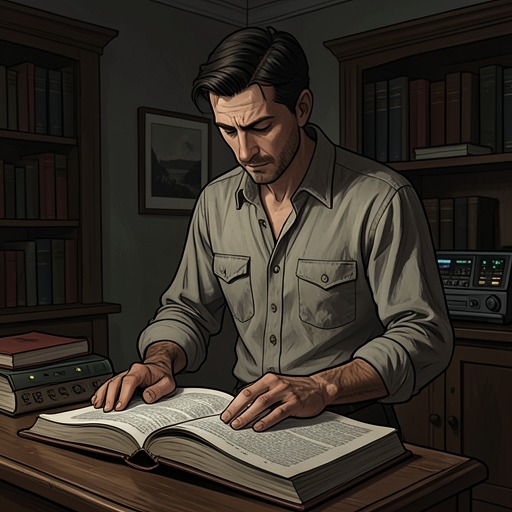
Martin turns away from Latin not because of Will Olney, but despite Ruth and his love for her. The choice is practical and urgent: his money means time, other subjects demand attention, and he must write and earn. With no acceptances and forty manuscripts circulating among magazines, he spends long hours in the free reading room studying published work, comparing it with his own, and trying to identify the skill that allows other writers to sell.
What he finds in print unsettles him. Much of the material seems lifeless, even when it is clever, while the stories he encounters dwell on commonplace people and small affairs. Martin wants to write about the strain, danger, dreams, and strenuous effort he recognizes in life. The contrast sharpens his bewilderment: if work he considers ordinary sells, why does the writing he believes to be more alive fail to find a place? His difficulty is not simply that editors reject him; he cannot understand the standards by which acceptance is granted.
The editorial machine
Martin has no personal connection to writers or editors and knows nobody who has tried to write. In the absence of advice, the submission process becomes a machine in his imagination. He folds each manuscript, encloses the proper postage, seals the envelope, and sends it away; weeks later, the manuscript comes back in another envelope bearing the stamps he supplied. He pictures no editor reading it, only cogs transferring paper from one wrapper to another.
The rejection slips intensify this impression. They are printed in stereotyped forms, and he receives hundreds of them, sometimes a dozen or more for a single group of early manuscripts. Not one editor adds a personal line. For Martin, that absence is evidence that nobody warm or attentive exists at the other end. The machine has two imagined outlets, payment and rejection, but so far he has encountered only the latter. Later submissions repeat the same pattern: he mails work, waits three weeks to a month, and receives it back, still without an individual response.
Rejection and material pressure
Martin is willing to keep sending work for years, but his finances leave him only weeks in which to persist. His board bill and postage both consume the money he needs; he stops buying books and tries small economies, yet even giving his sister Marian five dollars for a dress hastens the point at which he will run out. The expense of reaching publishers becomes part of the struggle itself: every attempt to be read costs money, whether or not the work is accepted.
The pressure later becomes immediate. After forty hours without food, with Ruth away on a two-week visit to San Rafael and shame keeping him from going to his sister, Martin receives five returned manuscripts in one afternoon. He pawns his overcoat and comes home with five dollars. A dollar goes to each of four tradesmen on account; with the remainder he cooks steak and onions, coffee, and a large pot of prunes. That night he completes an essay, The Dignity of Usury, but, having spent the money, has no stamps with which to send it.
He later pawns his watch and then his bicycle, turning possessions into food money while continuing to pay postage on submissions. Commercial work fares no better. He tries to sell work he considers superior to material in newspapers, weeklies, and cheap magazines, only to learn that newspapers already receive syndicated plate copy. His own submissions come back with a standard notice that the staff has all the copy it needs. He sends anecdotal paragraphs to a juvenile periodical, jokes and humorous verse to comic weeklies, and society verse to large magazines; none finds a home. After sending twenty storiettes to two newspaper syndicates without placing one, he stops. Reading comparable stories in print, he begins to suspect that his own judgment is deluded.
Art and Ruth’s judgment
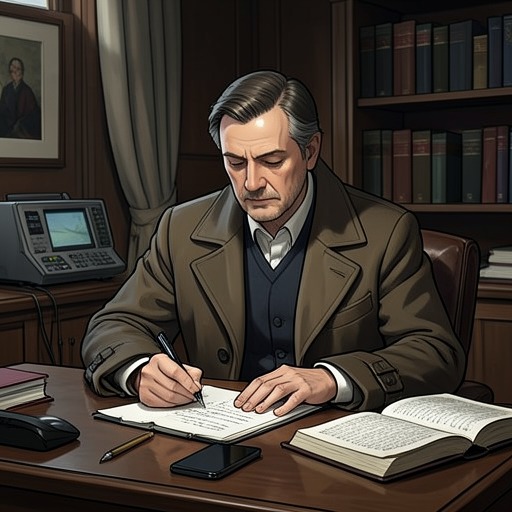
The gap between Martin’s sense of his work and other people’s responses becomes intimate when he reads Ruth The Wine of Life, a story he considers among his best. Reading it revives the passion he felt while composing it, and he is carried along by its original conception and language. Ruth, however, hears weaknesses he cannot hear in the moment: exaggeration, overemphasis, and sentences whose rhythm falters or becomes pompous. She judges the story amateurish, but does not say so directly; instead, she points out minor flaws and tells him she likes it.
Martin accepts that her specific criticisms are just, yet feels they miss what he wanted to share. He had hoped Ruth would respond to the large experience he believed he had captured, not concentrate on sentence structure and punctuation. He concludes privately that he has failed to transform what he felt into a successful story. Her approval of its details cannot reassure him about that deeper failure, and he conceals how sharply their different readings have divided them.
That disappointment sits within a broader strain in their relationship. Martin values the hours he spends with Ruth, but they do not quiet his restlessness: time is passing, he has asked for two years, and his writing has not brought the progress he needs. Ruth does not openly forbid him to write, yet her disapproval is clear to him. She had hoped to shape him through study, while Martin persists in a vocation she has not endorsed. His work therefore meets resistance both in the impersonal publishing system and in the private relationship whose understanding he most wants.
Persistence without recognition
Martin’s effort is sustained by faith in himself, but that faith has no dependable reinforcement. Gertrude grows anxious as the writing she once treated as foolishness begins to look, to her, like madness; Bernard Higginbotham’s contempt is more openly nagging. Even Ruth has not believed in his writing. Against those responses, Martin continues to send work, revise his understanding of the market, and search for ways to earn from writing, but every new route seems to end at another closed door.
The struggle is therefore not a simple test of perseverance. Martin has to confront the possibility that his judgment may be wrong, while the system gives him no personal explanation that could help him improve or even understand its refusals. His image of the editorial machine turns that silence into a governing fact: manuscripts circulate, stamps return, and no human voice answers. Recognition remains at once an artistic need, a source of income, and a form of acknowledgment that Martin cannot obtain from publishers or fully secure from Ruth.