
Nature and Self-Restraint
MasqueradeThis flow examines the story’s competing claims that predatory violence is innate, chosen, controllable, or beyond change.
increasing Bearing strength in each event
 decreasing
Bearing strength in each eventdecreasingRobert’s Fatalism

Robert’s Fatalism
Nature as Explanation
Robert Michael Rothman thinks of himself as a predator in a world of prey. He treats his impulses as part of an ancient cycle rather than as choices for which he should answer.
This belief makes violence seem inevitable to him. It also removes the need to consider the victims as individuals with equal claims to safety.
Freedom Without Morality
After his crimes are exposed, Robert Michael Rothman feels freer than before because he no longer has to maintain the same mask. Exposure does not produce remorse; it strengthens his chosen self-description.
The story presents his account as dangerous rationalization, not neutral truth. Calling violence nature does not erase the decisions that make it happen.
A Different Claim to Control
A Different Claim to Control
Naming the Impulse
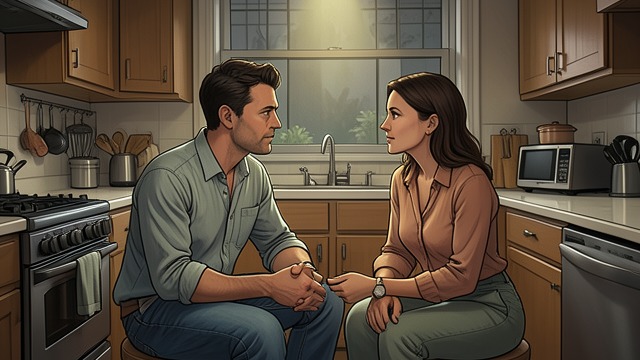
Jessica White’s husband describes his predatory impulses as longstanding but not inevitable actions. He says that awareness helps him stay on guard against them.
The account offers a contrast to Robert Michael Rothman’s fatalism. It makes self-restraint and honest conversation central to the possibility of preventing harm.
The Need for Support
Jessica White asks him to speak with Dr. Harven, recognizing that intimate reassurance may not be enough. The request turns restraint from a private promise into a possible process of help.
The story leaves open whether awareness can reliably protect anyone. It does, however, insist that recognition creates a responsibility to act.
Victoria’s Embrace of Predation
Victoria’s Embrace of Predation
A Self Chosen Through Violence
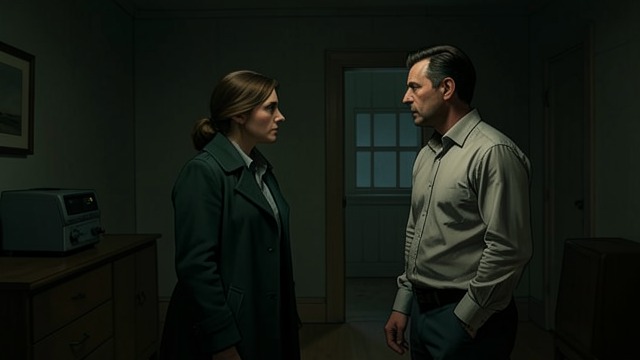
After killing the Rodgers sisters, Victoria Belle feels whole and embraces the identity of a predator. She does not seek a conventional life or attempt to hide inside ordinary respectability.
Her self-understanding differs from Robert Michael Rothman’s long concealment, but not in its disregard for victims. She treats vulnerability in others as an available resource.
Recognition of Her Kind
Victoria Belle believes she can recognize other predators and identifies Jessica White’s husband as one. Her sense of kinship makes her curious rather than cautious.
The story links identity to both perception and choice. Victoria Belle’s ability to recognize danger does not make her less dangerous herself.
A Household Built on Silence
A Household Built on Silence
Hidden Evidence
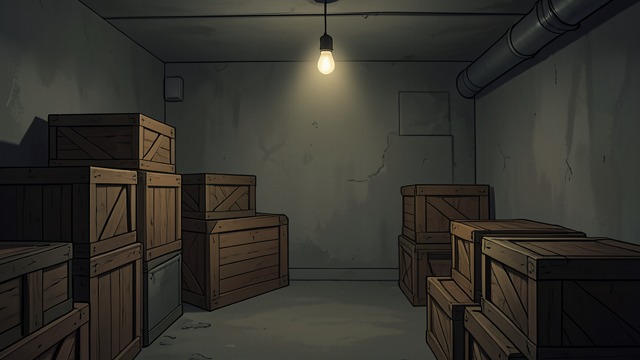
The chamber beneath the barn shows how Robert Michael Rothman has organized space to support secrecy. Concealment allows repeated violence to coexist with ordinary domestic routines.
Claire Rothman’s ignorance does not mean the danger was harmless. It shows how a hidden life can persist when warning signs are interpreted through trust and incomplete knowledge.
Responsibility and Knowledge
The story distinguishes a spouse’s failure to understand from a killer’s responsibility for his crimes. Claire Rothman regrets not acting sooner, but she did not choose the murders.
The distinction resists an easy moral answer. It asks what knowledge and warning can make possible without shifting blame from the person who commits violence.
A New Uncertainty
A New Uncertainty
Evidence Without an Answer
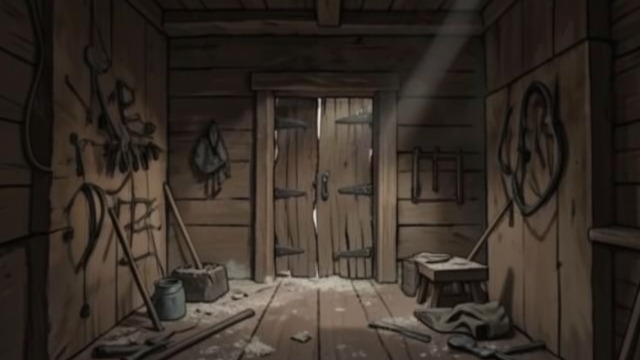
Jessica White finds an empty hidden room in her husband’s workshop. Its existence resembles Robert Michael Rothman’s concealment, but the room contains no evidence that establishes the same purpose.
The discovery forces Jessica White to balance intuition against what she can actually know. Similarity raises a question; it does not supply its answer.
Restraint Under Test
The husband’s earlier assurances about self-control now face a more difficult test of trust. Jessica White must decide what further knowledge and support their relationship needs.
The novel ends before resolving the question. Its uncertainty makes self-restraint a continuing responsibility rather than a guarantee secured by a promise.
During the first day of his escape
During Jessica’s conversation with her husband
After the murders in her adolescence
During the investigation of the farm’s history
After Jessica discovers the workshop chamber
