
People Don’t Change
MasqueradeThis flow traces competing beliefs about whether violent character can change, from Claire Rothman’s hope to Jessica White’s final uncertainty.
increasing Bearing strength in each event
 decreasing
Bearing strength in each eventdecreasingThe Hope of Transformation
The Hope of Transformation
Staying After Violence
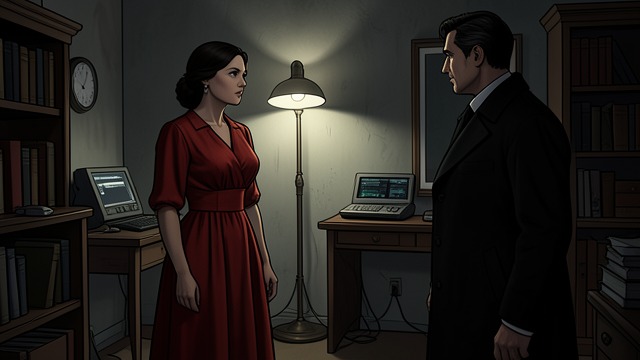
Claire Rothman remains with Robert Michael Rothman after he abducts and threatens her. She later says that love grew between them and implicitly treats their shared life as evidence that he could become different.
Her hope is personal rather than clinical. It helps her make sense of a relationship that began in fear and became central to her life.
A Belief Under Strain
Warnings from friends complicate the hope, but Claire Rothman continues to believe in the man she experiences at home. The belief delays a full confrontation with what others perceive.
The story does not reduce that hope to stupidity. It shows how change can become an emotionally necessary belief when love and history are intertwined.
Evidence of Continuity
Evidence of Continuity
A Long Criminal History
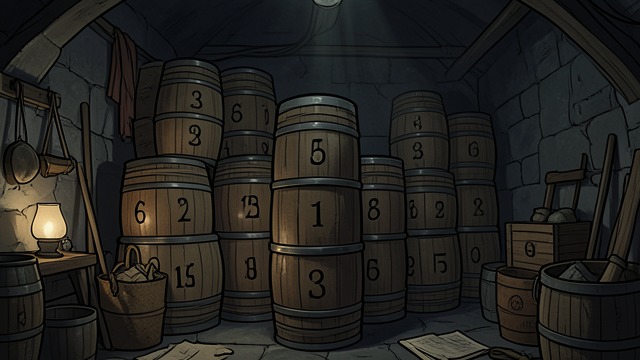
Forensic discoveries place Robert Michael Rothman’s first known victim decades in the past. The numbered barrels and underground chamber reveal a sustained pattern rather than a sudden transformation.
The evidence sharply challenges Claire Rothman’s hope that her husband changed during their marriage. His violence appears to have continued beneath their ordinary life.
The Limits of Belief
The investigation separates what Claire wished to be true from what the evidence now shows. Her attachment cannot make a long record disappear.
The case makes “people do not change” feel plausible, but it does not yet settle whether that rule applies to everyone.
Dyer’s Certainty
Dyer’s Certainty
A Hard Judgment
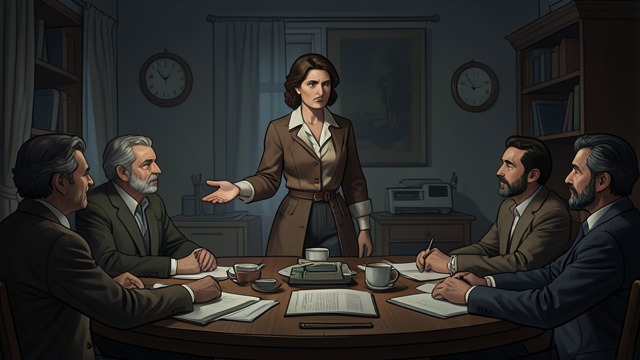
Robyn Dyer argues that a person who once tried to kill Claire Rothman could not be expected to change. She condemns Claire Rothman for staying and treats that choice as a failure of judgment.
Her certainty gives investigators a clear moral boundary between dangerous behavior and safety. It also risks oversimplifying the emotional and practical reasons people remain in harmful relationships.
A Clash of Interpretations
Jessica White answers Claire Rothman with empathy rather than condemnation. The disagreement reveals that judgments about change are also judgments about victims, responsibility, and hope.
The novel lets the arguments stand in tension. Neither certainty nor compassion can undo the crimes, but each shapes how the people affected understand them.
A Promise of Restraint
A Promise of Restraint
Drawing a Distinction
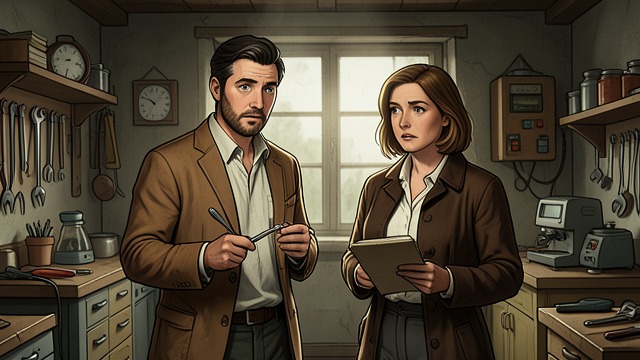
Jessica White’s husband says he is not like Robert Michael Rothman because he recognizes his impulses and resists acting on them. He presents vigilance and honesty as evidence that a different course is possible.
Jessica White wants to trust the distinction, especially as they prepare to seek help from Dr. Harven. Their plan gives the claim of change a practical form beyond mere words.
The Unanswered Test
The husband’s promise is sincere in the moment, but the story supplies no complete assessment of his future. His impulses and concealed life remain questions that cannot be answered by assurance alone.
The theme therefore shifts from whether change is theoretically possible to what evidence, support, and accountability would make it credible.
The Ending Without Resolution
The Ending Without Resolution
A Hidden Chamber Found
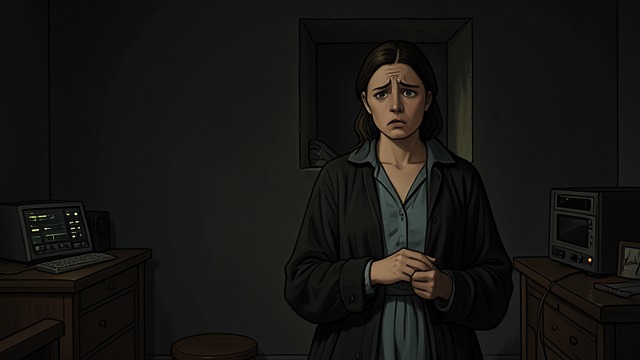
Jessica White discovers an empty underground chamber concealed in her husband’s workshop. Its existence recalls Robert Michael Rothman’s hidden spaces without establishing an identical purpose.
The discovery arrives after Jessica White has spoken about change, restraint, and the need for honesty. It tests those beliefs at the moment when she is alone with evidence she cannot interpret.
A Question Left Open
Jessica White weeps, feeling betrayed, but the story ends before her husband explains the chamber. The reader cannot know whether the space signals danger or a different, still-hidden intention.
The unresolved ending resists a simple verdict that people always change or never change. It leaves the claim to be tested through future knowledge and choices.
During the Rothmans’ early relationship
During the first investigation of the farm
During the interview and case discussion
During Jessica’s conversation with her husband
The final scene at the workshop
