
The School's Fear System
MatildaThis subplot traces the connected rituals of punishment, rumor, and silence that make Miss Trunchbull’s authority feel larger than any single confrontation.
increasing Bearing strength in each event
 decreasing
Bearing strength in each eventdecreasingThe Chokey Described
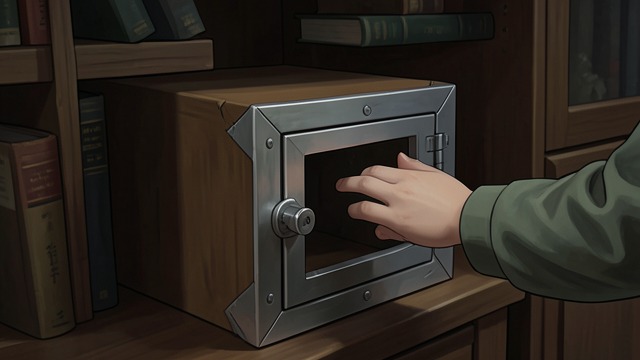
Punishment Made Architectural
Hortensia describes the Chokey as a cramped cabinet lined with sharp hazards.
Intended Effect
Its design makes even a short confinement a threat of injury.
Consequence
Fear is built into the school’s physical spaces, not only into Miss Trunchbull’s temper.
The Headmistress's Rumor

A Reputation That Precedes Her
Older pupils recount Miss Trunchbull’s punishments before the younger children have experienced them directly.
Inheritance
New students learn what behavior may provoke her and what outcomes to fear.
Consequence
The school’s terror reproduces itself through children’s warnings.
Parents Kept at a Distance

Fear Beyond the School Gate
Hortensia doubts that parents will challenge Miss Trunchbull, because adults fear her too.
Failure of Protection
Children have little reason to expect a reliable complaint process.
Consequence
The headmistress’s influence extends beyond her immediate physical presence.
Lessons in Silence
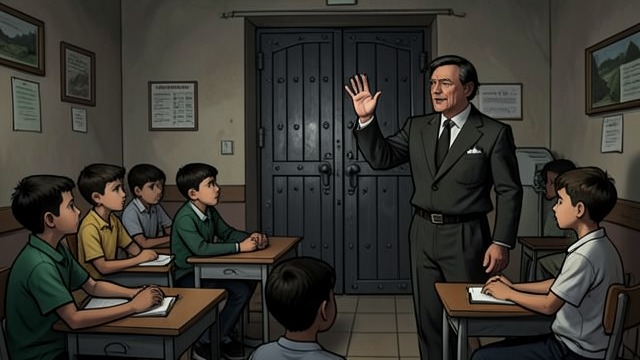
Self-Censorship
Pupils remain quiet as the headmistress insults them, aware that speech may invite punishment.
Classroom Order
What looks like discipline is maintained through threat rather than trust.
Consequence
Silence becomes one of Miss Trunchbull’s most effective instruments of control.
The System Breaks
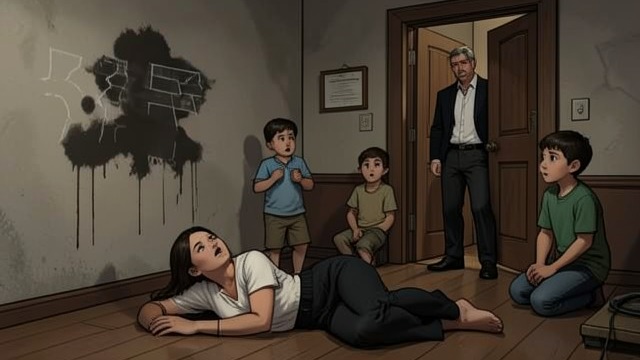
Fear Loses Its Center
Miss Trunchbull faints after the chalk writes in Marcus’s name, and the pupils see her authority falter.
Change
She disappears, and a different headmaster takes charge.
Consequence
The school’s routines of intimidation begin to give way to ordinary education.
During Hortensia's playground account
During Matilda's first school week
After Amanda Thripp is thrown
During Miss Trunchbull's first classroom visit
After the chalk message
