
Miss Honey's Dispossession
MatildaThis conflict flow traces the long struggle over Miss Honey’s home and inheritance from the aunt’s alleged claim to the recovery of Marcus’s will.
increasing Bearing strength in each event
 decreasing
Bearing strength in each eventdecreasingA Father's Death

The Origin of the Dispute
Marcus dies while his young daughter remains dependent on his sister.
Vulnerability
Miss Honey cannot protect her own interests or question the adults who control the household.
Consequence
The circumstances create the opening through which her aunt gains lasting power.
A Questionable Document
The House Claimed
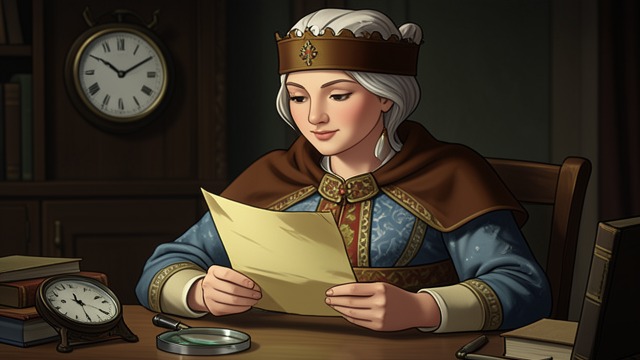
Miss Honey says her aunt produced a document supposedly leaving the house to her.
Doubt
Miss Honey believes the paper was forged, but lacks proof and resources to contest it.
Consequence
An uncertain legal claim becomes the basis of decades of dispossession.
The Aunt Retains the Property
Ownership Without Security
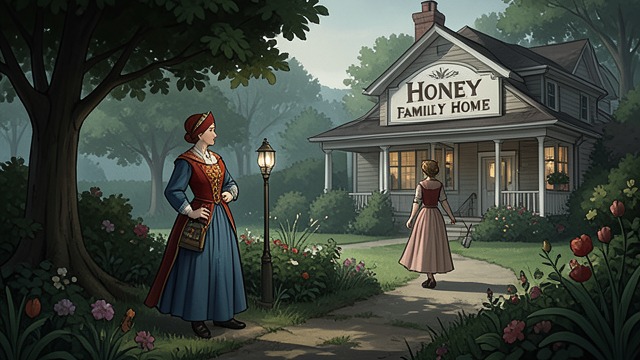
Miss Honey remains separated from her childhood home while her aunt lives there.
Power Imbalance
The aunt is respected locally, making a challenge difficult for an impoverished niece.
Consequence
The property dispute is reinforced by social influence as well as family authority.
The Chalk Names the Wrong
A Demand Made Public
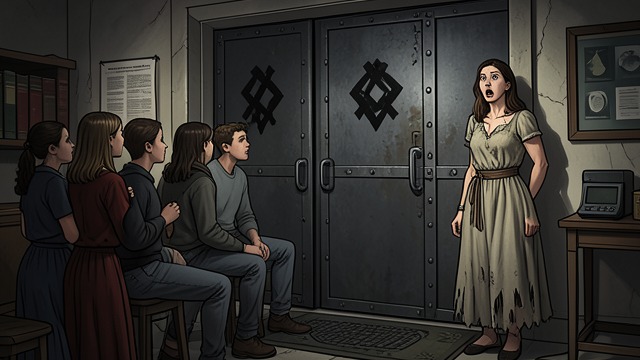
Chalk writes that Marcus wants his daughter’s home returned and the aunt gone.
Exposure
The message turns a concealed property conflict into an event witnessed by pupils and teachers.
Consequence
Miss Trunchbull’s confidence collapses as the claim reaches the surface.
The Will Appears
Legal Resolution
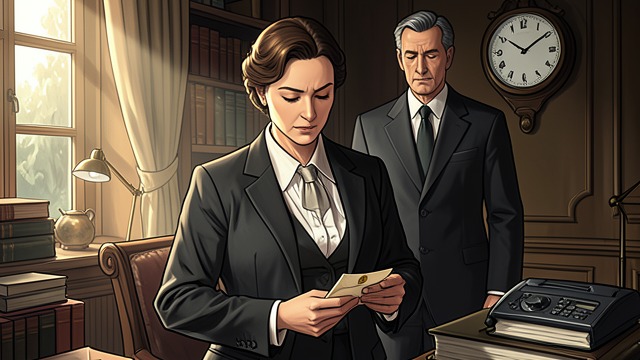
A solicitor informs Miss Honey that Marcus’s will has been found and makes her the owner of the Red House and savings.
Restoration
The claim that she had lacked resources to challenge is overturned by the document.
Consequence
The property returns to its intended heir, ending the central material injustice.
When Miss Honey is five
After Marcus's death
During Miss Honey's years under guardianship
During Miss Trunchbull's later classroom lesson
Two days after Miss Trunchbull vanishes
