
Matilda and the School's Rules
MatildaThis conflict flow examines how rigid placement and fear-based classroom rules fail to serve Matilda Wormwood or protect the pupils.
increasing Bearing strength in each event
 decreasing
Bearing strength in each eventdecreasingAge Determines Placement
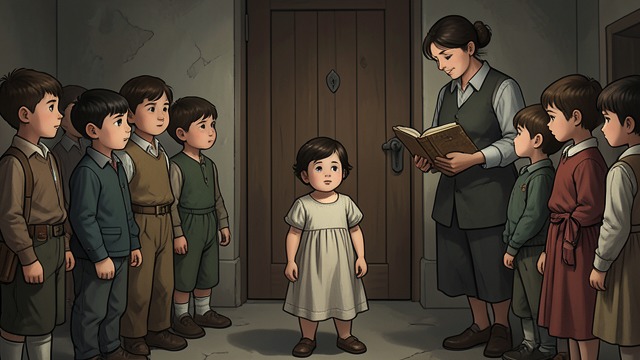
A Fixed Classification
Matilda enters the youngest class despite already reading and calculating well beyond its level.
Institutional Rule
The school groups pupils by age rather than demonstrated readiness.
Consequence
Her education begins with a mismatch between capacity and instruction.
A Teacher Challenges the Policy
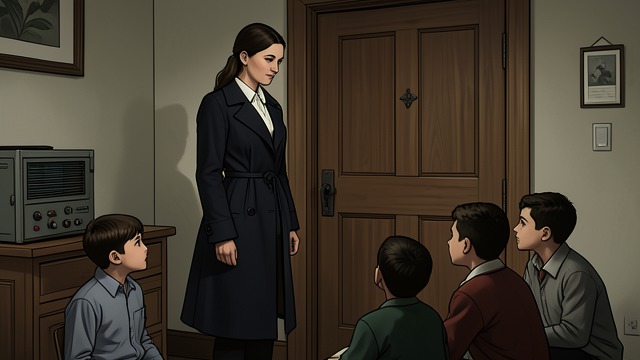
Evidence Against Convention
Miss Honey argues that Matilda should join pupils several years older.
Refusal
Miss Trunchbull insists that all children remain with their age group.
Consequence
An inflexible rule defeats an informed teacher’s attempt to meet an exceptional child’s needs.
Independent Work as a Compromise

Learning Outside the Lesson
Miss Honey gives Matilda advanced textbooks while teaching the rest of the class basic material.
Partial Remedy
The arrangement offers challenge but does not alter the official placement.
Consequence
Individual care compensates for policy without resolving the underlying institutional failure.
Cruelty Called Discipline

Rules Backed by Force
Miss Trunchbull demands silence and correct answers while using pain to frighten pupils.
Resistance
Miss Honey objects, but her authority is limited during the headmistress’s visit.
Consequence
The school’s conduct rules protect obedience more effectively than children.
A Different Educational Order

The Institution Changes
Mr. Dophoed becomes headmaster and Matilda is moved into the highest class.
Correction
The new placement recognizes her actual ability.
Consequence
The school begins to treat learning as development rather than mere compliance.
Matilda's first day at school
During the first school break
After the transfer is denied
During Miss Trunchbull's weekly lesson
After Miss Trunchbull disappears
