
A Contest of Power and Justice
MatildaThis conflict flow traces how the novel shifts power from adults who control children toward the child whose abilities expose and challenge their abuses.
increasing Bearing strength in each event
 decreasing
Bearing strength in each eventdecreasingPhysical Power at Home
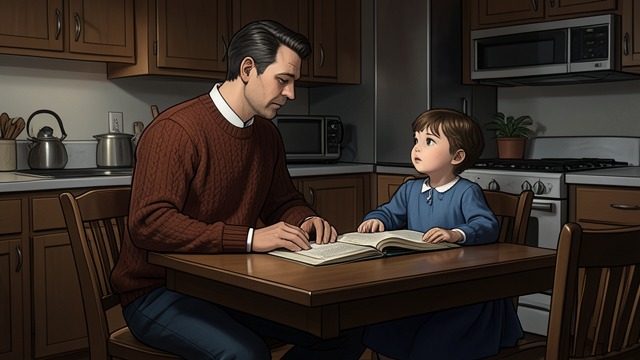
Adults Set the Terms
Mr. Wormwood controls household decisions and insults Matilda, who is too small to confront him physically.
Inequality
Her parents decide what she may read, watch, and do.
Consequence
Matilda must seek forms of resistance suited to a child’s limited power.
Practical Jokes Shift the Balance
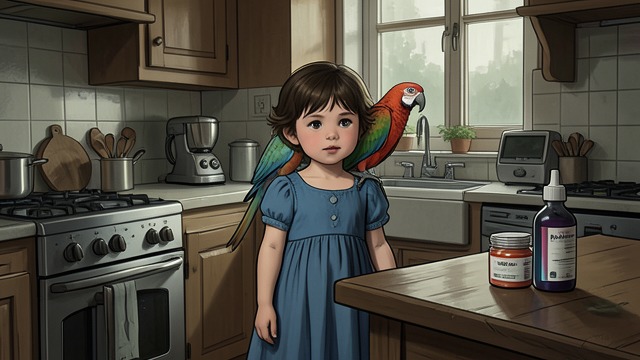
Intelligence as Counterforce
Matilda uses glue, a parrot, and hair dye to unsettle her father after he mistreats her.
Limits
The pranks offer temporary reversals, not a change in his character.
Consequence
Cleverness becomes her first tool against adult dominance.
A New Power Discovered
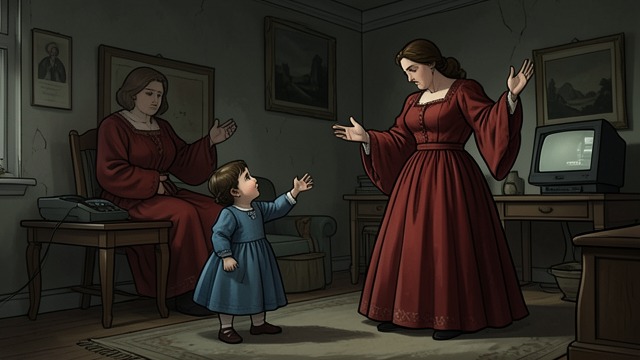
Anger Finds a Channel
Matilda discovers telekinesis while being falsely blamed and threatened.
Shift
The small pupil can affect a powerful adult without touching her.
Consequence
The balance of physical power begins to change, though Matilda does not yet know how to use her gift.
Power Trained for a Purpose
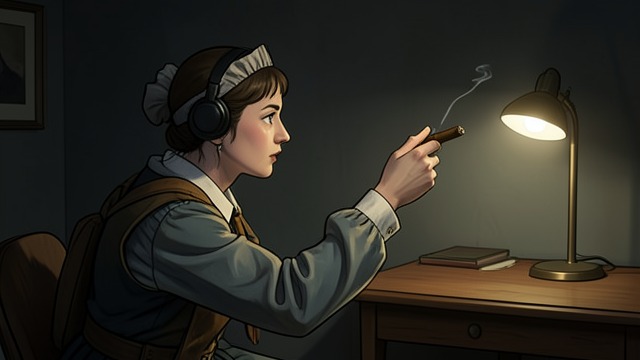
Ability Becomes Intentional
Matilda practices lifting and directing a cigar until she can control it in the air.
Purpose
Her preparation supports a plan to help Miss Honey.
Consequence
An extraordinary ability is turned from spontaneous reaction into deliberate action.
The Abuser Overthrown
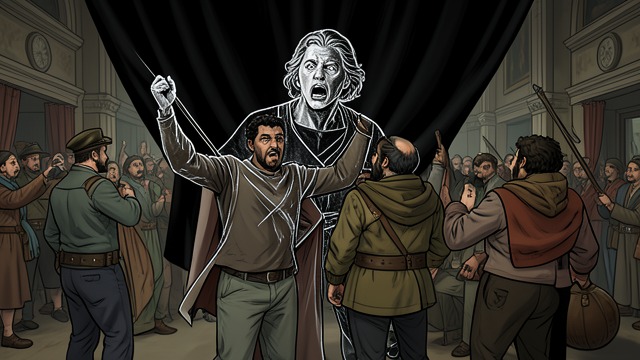
Justice Reverses Authority
Matilda makes chalk write in Marcus’s name, demanding that Miss Trunchbull return what she took from Miss Honey.
Outcome
The headmistress faints and soon disappears.
Consequence
A child’s power exposes an adult’s wrongdoing and ends her immediate reign.
During Matilda's early childhood
Before Matilda starts school
During Miss Trunchbull's first class visit
The six days before the chalk lesson
During the later Thursday class
