
Adults Who Fail Children
MatildaThis thematic flow compares the neglect and abuse Matilda Wormwood and Miss Honey endure with the care they eventually create for each other.
increasing Bearing strength in each event
 decreasing
Bearing strength in each eventdecreasingMatilda's Needs Ignored
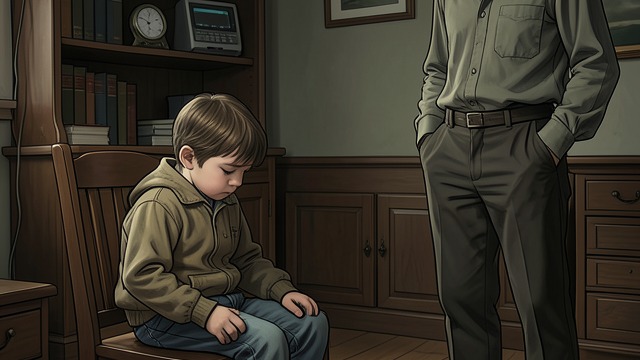
Neglect in the Family
The Wormwoods leave Matilda alone and show little interest in her reading or education.
Harm
Her unusual gifts are treated as annoyance rather than a reason to help her.
Consequence
The novel presents neglect as an active failure of care, not merely a lack of praise.
Miss Honey's Childhood Abuse

Guardianship Without Protection
After Marcus dies, Miss Honey’s aunt makes the child a servant in her own home.
Control
Fear prevents Miss Honey from seeking help or asserting her rights.
Consequence
Adult authority becomes a source of harm rather than safety.
School Repeats the Pattern
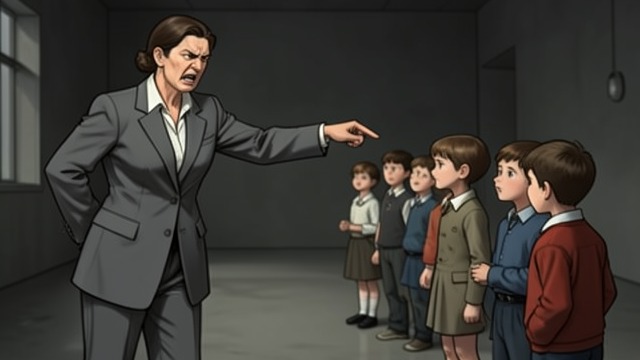
Institutional Abuse
Miss Trunchbull insults, threatens, and physically hurts pupils while claiming authority over their education.
Parallel
The school reproduces at public scale the vulnerability Matilda and Miss Honey know at home.
Consequence
The novel questions systems that grant adults power without accountability.
A Teacher Listens
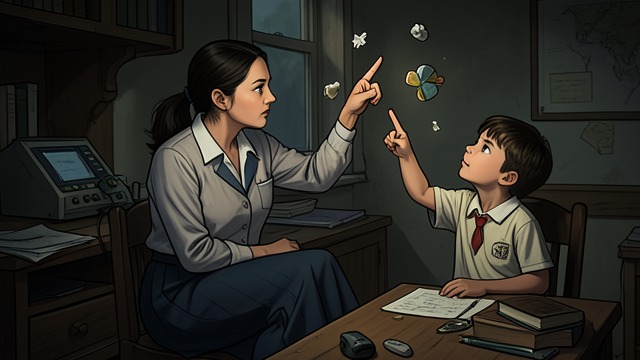
Care Through Belief
Miss Honey listens when Matilda describes her power and accepts the evidence of the second demonstration.
Alternative
Her response contrasts with adults who dismiss or exploit children.
Consequence
Trust becomes an act of protection that allows Matilda to speak honestly.
A Child Welcomed Home
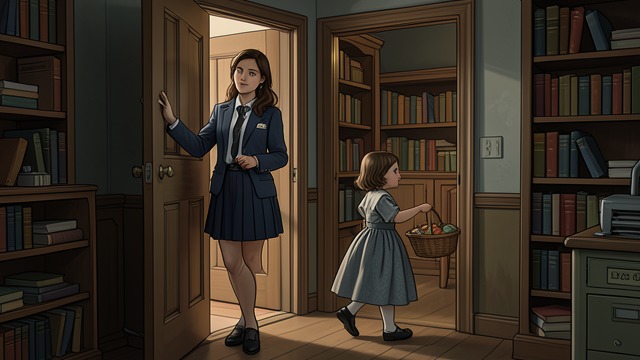
Care Rebuilt
Miss Honey takes Matilda in after the Wormwoods agree that she may stay.
Reciprocity
The teacher offers safety, while Matilda brings affection and companionship.
Consequence
The new household imagines family as a practice of care rather than a claim of authority.
Before her first school day
From age five onward
During Miss Trunchbull's lessons
After Matilda's glass demonstration
At the end of the novel
