
Ingenuity Against Adult Cruelty
MatildaThis thematic flow traces the forms of invention Matilda Wormwood and the pupils use to withstand adults who misuse their power.
increasing Bearing strength in each event
 decreasing
Bearing strength in each eventdecreasingSmall Acts at Home
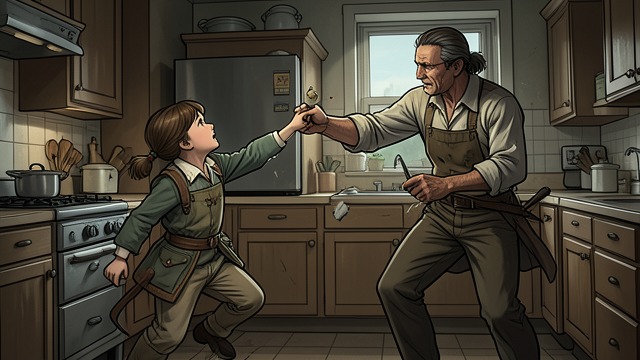
Wit in an Unequal Contest
Matilda uses practical jokes to answer her father’s insults and destruction of her books.
Scale
Her schemes cannot change the balance of adult authority, but they can disrupt it.
Consequence
The child’s intelligence becomes a form of self-defense.
Hortensia's Improvisations
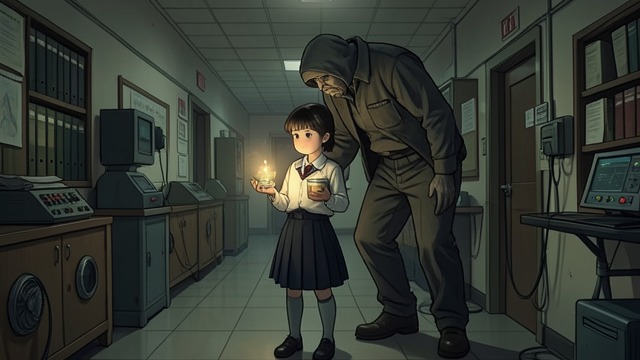
Risky Resistance
Hortensia recounts syrup and itch-powder pranks against Miss Trunchbull.
Cost
Her stories include confinement in the Chokey, showing that cleverness does not guarantee safety.
Consequence
Resistance appears brave, improvised, and dangerous rather than easy or consequence-free.
Lavender Plans Her Prank
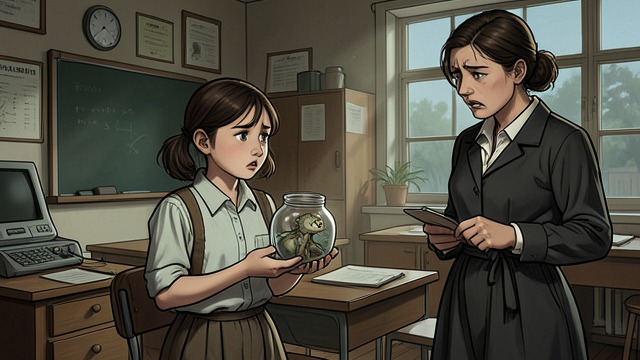
A Pupil Makes a Plan
Lavender independently decides to place a salamander in the headmistress’s water jug.
Intention
She wants to challenge an adult who terrifies the children.
Consequence
Her ingenuity creates a moment of comic disruption but also an unintended danger for Matilda.
Matilda Develops Her Gift
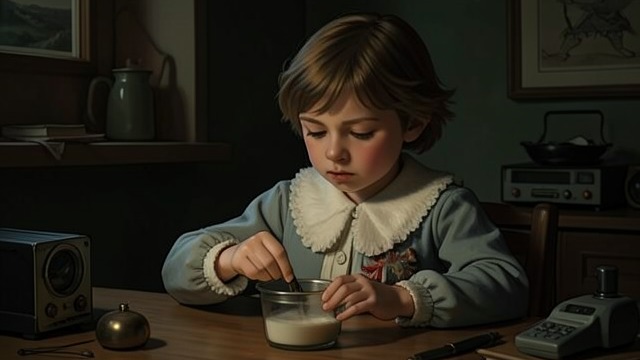
Imagination Disciplined
Matilda practices moving a cigar, turning an unexplained power into a repeatable skill.
Preparation
She learns patience, concentration, and control.
Consequence
The novel connects extraordinary achievement to deliberate practice rather than effortless magic alone.
Ingenuity Serves Justice
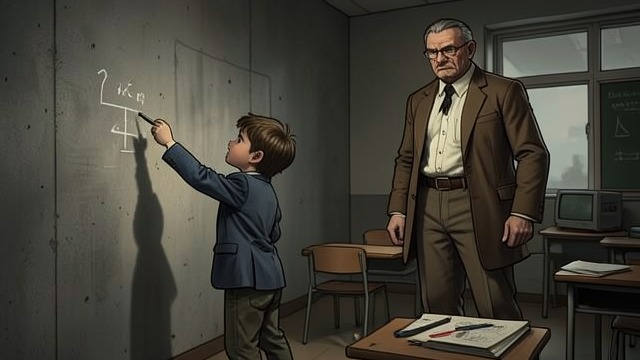
Invention with a Purpose
Matilda uses the chalk to expose Miss Trunchbull’s wrongdoing and demand Miss Honey’s home back.
Difference
Her power now answers an injustice beyond her own household.
Consequence
Cleverness becomes most consequential when directed toward protecting another person.
During Matilda's early childhood
During the playground conversation
The day before Miss Trunchbull's class
The six days before the chalk lesson
During the chalk confrontation
