
Power, Justice, and Responsibility
MatildaThis thematic flow follows the novel’s changing question of who may exercise power over children and how that power can be made answerable.
increasing Bearing strength in each event
 decreasing
Bearing strength in each eventdecreasingAuthority at Home

Power Without Care
Mr. and Mrs. Wormwood decide how Matilda spends her time while disregarding her needs and opinions.
Family Hierarchy
Their authority is treated as sufficient justification for control.
Consequence
The novel distinguishes adult power from the moral responsibility that should accompany it.
Authority at School
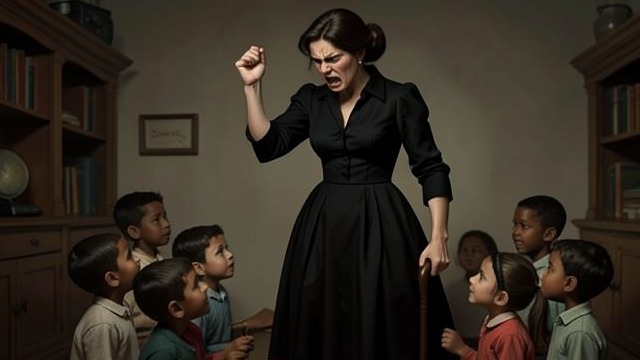
Discipline Without Protection
Miss Trunchbull commands pupils through threats and bodily punishment.
Institutional Failure
Teachers and children have limited ability to stop her while she controls the school.
Consequence
A formal role does not make abuse legitimate or educational.
A Child Discovers Agency

Power Outside the Hierarchy
Matilda’s telekinesis lets her affect an adult who seems physically invulnerable.
Uncertainty
She discovers the ability in anger and does not yet understand its limits.
Consequence
The scene unsettles the assumption that children are entirely powerless.
Power Used Accountably
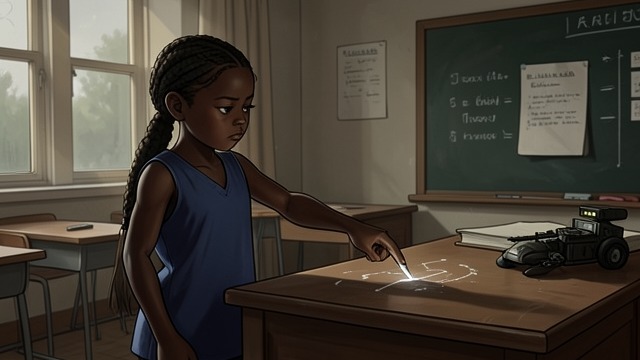
The Gift Answers an Injustice
Matilda makes the chalk deliver a demand concerning Miss Honey’s stolen home and salary.
Moral Direction
Her ability is directed against exploitation, not merely toward personal revenge.
Consequence
The novel presents agency as most valuable when it restores someone else’s rights.
Care Replaces Command

A Different Use of Adult Power
Miss Honey accepts responsibility for Matilda and offers a home without using authority to belittle her.
New Model
Protection and respect replace coercion.
Consequence
The ending links justice to everyday care as well as to the defeat of a cruel ruler.
During Matilda's early years
During Matilda's first weeks
At the first overturned glass
During the chalk message
After Matilda moves in with Miss Honey
