
Rescue, Freedom, and the Hero’s Need
MemoryMiles’s rescue-centered self-image is challenged by Taura’s question about freedom and by the possibility that heroism has become an addiction.
increasing Bearing strength in each event
 decreasing
Bearing strength in each eventdecreasingThe First Rescue of Taura
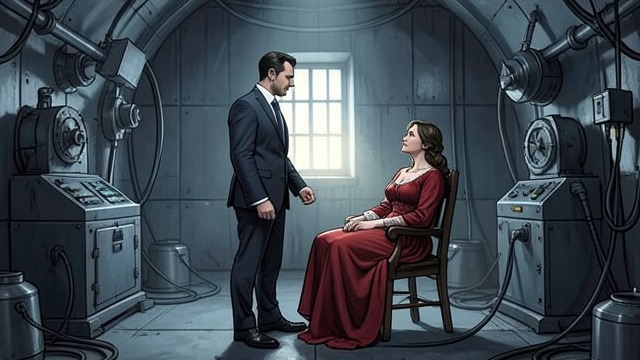
A Mission Reversed
A captive encountered
Miles meets Taura in the dungeons of Jackson’s Whole, where she is treated as an engineered weapon rather than a person. His original assignment is not a conventional rescue.
A choice that changes the mission
He turns the encounter into a rescue and later loves her. The event becomes an early example of Miles redirecting his authority toward freeing someone whom others consider disposable.
The Admiral’s Rescue Habit

A Pattern Named
Taura’s observation
Taura notes that Miles seems especially cheerful during rescue operations. He answers that the work offers an emotional reward as well as a financial one, particularly when a rescue appears impossible to others.
The motive beneath the performance
Taura suggests that Miles gives away freedom because he wants it himself. He dismisses the insight as a desire for adrenaline, but her question identifies the personal need hidden inside his public role.
A Career of Escalating Risk

Victory Requires a Larger Dose
The adrenaline comparison
Miles recognizes that ordinary dangerous sports do not satisfy him. His past work involved whole communities and thousands of lives, making lesser risks feel empty.
A dangerous appetite
He begins to understand that the thrill of heroic action has grown more demanding with repetition. The rescue ideal remains meaningful, but it has also become a way to avoid stillness and uncertainty.
A Lost Heroic Center
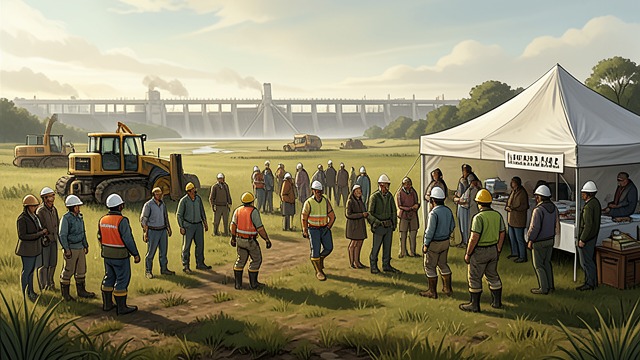
The Community Does Not Need Him
Work already underway
Miles sees Lem’s dam project, Harra’s school, and a community preparing for a local clinic. The people are building what they need through effort that does not depend on a visiting commander.
A changed understanding
He leaves recognizing that the community does not need Admiral Naismith to save it. Its achievements make heroism less central and reveal the quiet work that continues after a rescue is over.
Freedom Without Escape
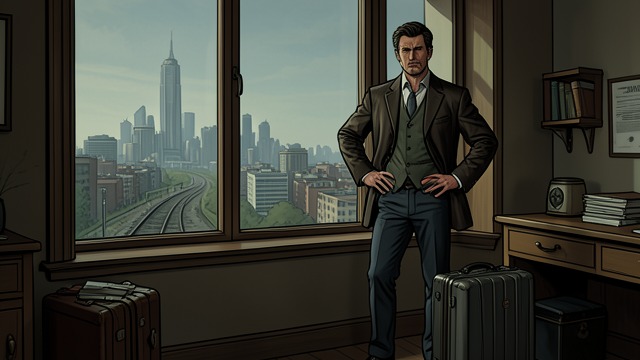
The Question Remains
Freedom reconsidered
Miles has often given other people the chance to escape confinement, but cannot simply choose to abandon his Barrayaran obligations without serious consequences. The freedom he offers others is easier than the one he wants for himself.
A broader definition
His final direction is not limitless escape but a life in which he can choose what he does and accept its consequences. The rescue impulse survives, but no longer has to define his entire identity.
Years before the present journey, on Jackson’s Whole
During the private journey after Miles’s dismissal
During Miles’s isolation at Vorkosigan House
During Miles’s thirtieth-birthday trip to Silvy Vale
At the close of Miles’s conversation with Taura
