
Cosmic Creation and Recurring Change
Metamorphoses (Ovid Edition)This flow traces the universe from formless Chaos through ordered nature to the doctrine that every form is temporary.
increasing Bearing strength in each event
 decreasing
Bearing strength in each eventdecreasingPrimordial Chaos
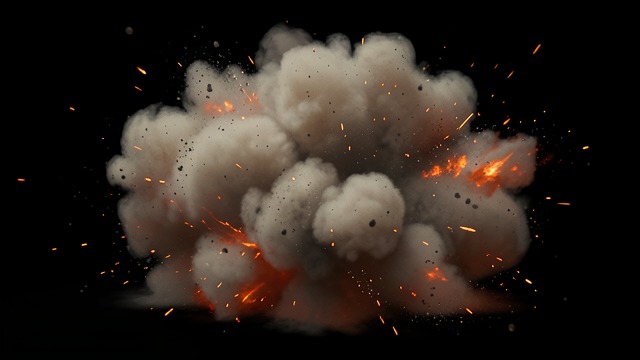
Primordial Chaos
An Unformed Beginning
Nature exists as a confused mass in which earth, air, water, heat, and cold have no stable boundaries.
The Need for Order
The absence of distinction makes creation incomplete. Form can emerge only when opposing elements are separated and given proper places.
Elemental Separation
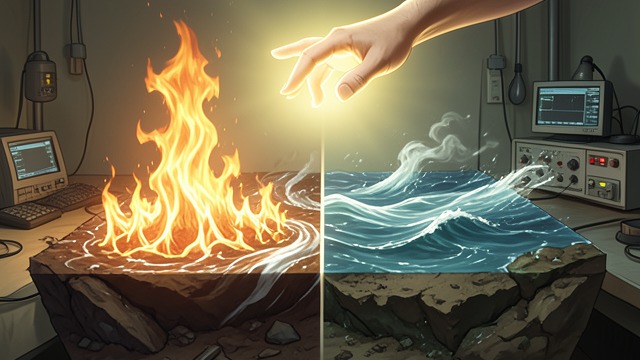
Elemental Separation
A World Divided
A divine power separates fire, air, earth, and water, assigning each element a region and a function.
Order as Transformation
Creation is not manufacture from nothing but the reorganization of existing matter. The first metamorphosis is cosmic arrangement.
Human Emergence
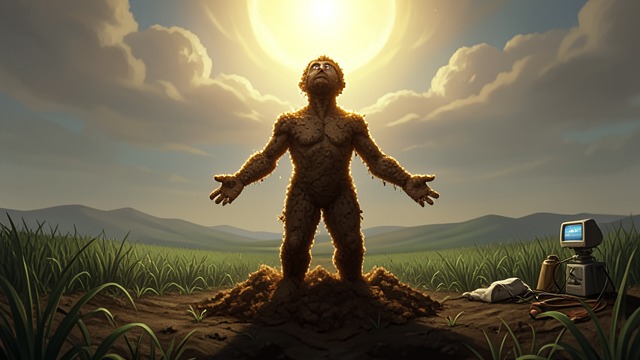
Human Emergence
A Higher Creature
Humanity is fashioned from heavenly energy and responsive earth, receiving thought, upright posture, and a capacity to govern.
A Divided Inheritance
Humans belong to earth yet look toward Heaven. Their elevated nature creates both moral possibility and the danger of abusing power.
Ages of Decline
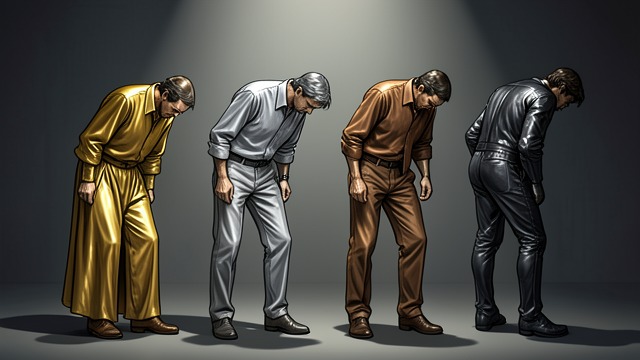
Ages of Decline
From Gold to Iron
The Golden Age gives way to Silver, Bronze, and Iron as reason is displaced by law, greed, violence, and suspicion.
Moral Metamorphosis
The changing metals represent a transformation in human character. Civilization advances materially while declining ethically.
Perpetual Renewal
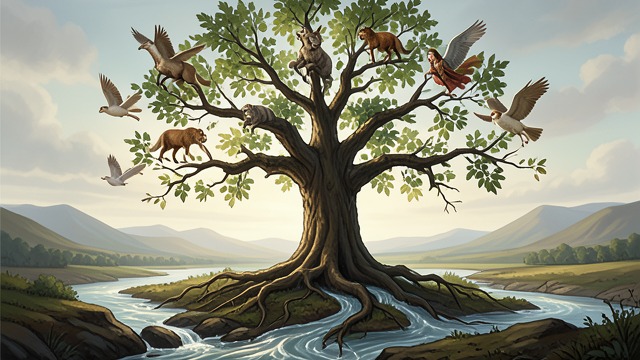
Perpetual Renewal
Nothing Simply Ends
Pythagoras teaches that bodies alter their forms while substance and soul continue through new arrangements.
The Book’s Governing Principle
The final doctrine returns to the opening creation: change is the fundamental law of existence, not an exception to it.
before the ordered world
at the beginning of creation
after the formation of earth and sky
after humanity begins
near the philosophical ending
