
The Transformation of Nature into Culture
Metamorphoses (Ovid Edition)This flow follows natural objects that become cultural symbols, institutions, or enduring signs of human experience.
increasing Bearing strength in each event
 decreasing
Bearing strength in each eventdecreasingLaurel as Emblem
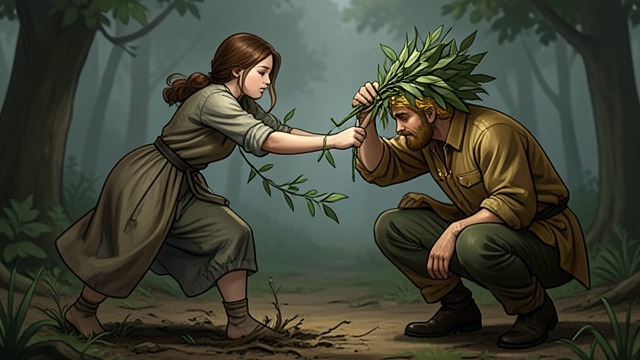
Laurel as Emblem
Private Loss
Daphne’s transformation ends Apollo’s erotic pursuit.
Public Meaning
Apollo makes the laurel a prize for poets, victors, and Roman triumphs, converting personal escape into cultural tradition.
Mulberry and Lovers
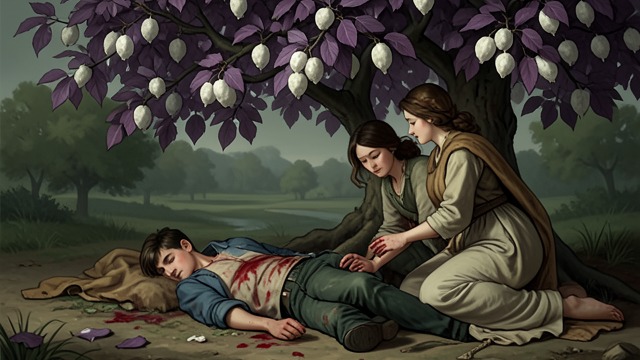
Mulberry and Lovers
Misread Evidence
Thisbe’s dropped veil causes Pyramus to believe she has died, and his suicide creates the second half of the tragedy.
Color as Memory
Their blood changes the mulberry from white to purple, making the tree a permanent sign of faithful love and fatal misunderstanding.
Coral from Medusa
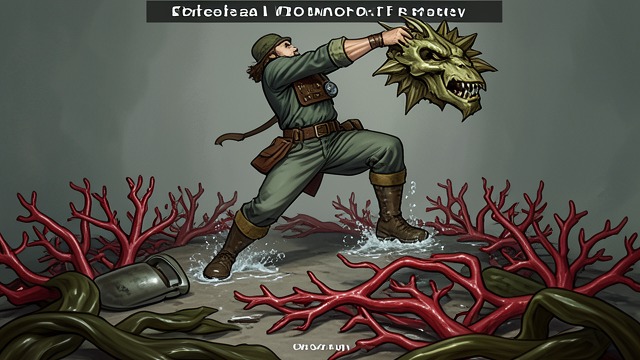
Coral from Medusa
Petrifying Contact
Perseus places Medusa’s head on soft branches, and the branches harden into coral.
Nature Remembers Violence
The sea carries the transformation forward, turning a monster’s death into a natural material with a mythic origin.
Memnonides Born
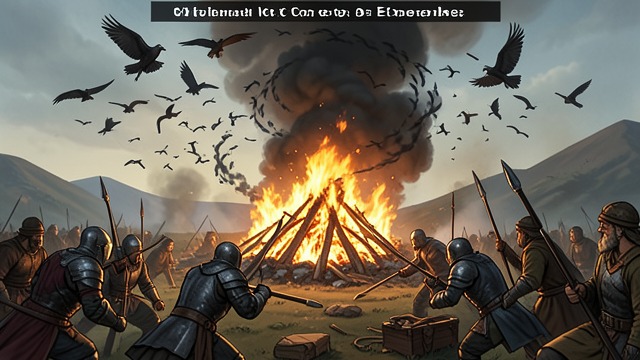
Memnonides Born
Ashes Become Birds
Memnon’s funeral fire generates birds from the ashes of his body.
Ritual Combat
The birds fight annually over his tomb, making grief a repeated public ceremony rather than a finished event.
Aesculapian Serpent
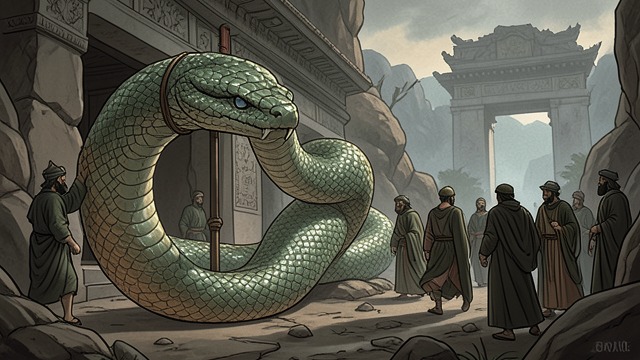
Aesculapian Serpent
Divine Form
Asclepius appears as a great serpent and leaves Epidaurus for the Roman mission.
Medicine Institutionalized
His changing form links healing, sacred authority, and the establishment of a permanent Roman shrine.
after Daphne becomes a tree
after Pyramus and Thisbe die
after Perseus defeats the sea monster
during Memnon’s funeral
during the Roman plague
