
The Arc of Human Civilization
Metamorphoses (Ovid Edition)This flow follows the book’s movement from primordial innocence through violence, law, empire, and philosophical reconciliation.
increasing Bearing strength in each event
 decreasing
Bearing strength in each eventdecreasingGolden Innocence
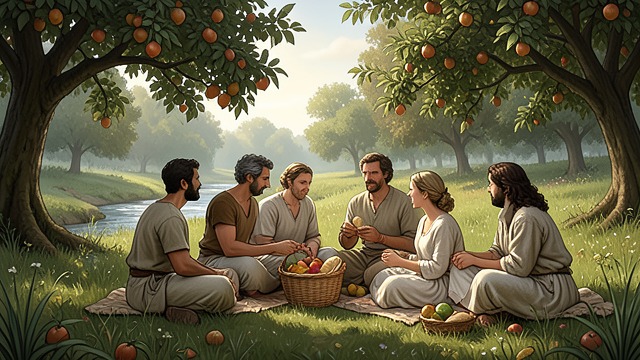
Golden Innocence
Reason Without Coercion
The first humans live without written law because conscience guides conduct.
Shared Abundance
The earth provides food freely, and society has not yet divided land, labor, or desire into competing claims.
Iron Corruption
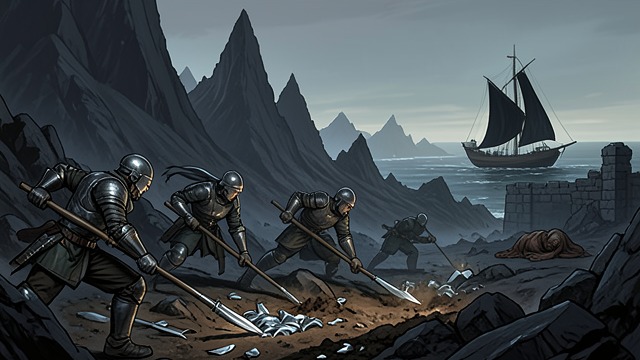
Iron Corruption
Property and Violence
Mining, sailing, boundaries, greed, and war replace communal life.
Broken Relations
Hospitality fails, families murder one another, and justice retreats from the world.
Divine Catastrophe
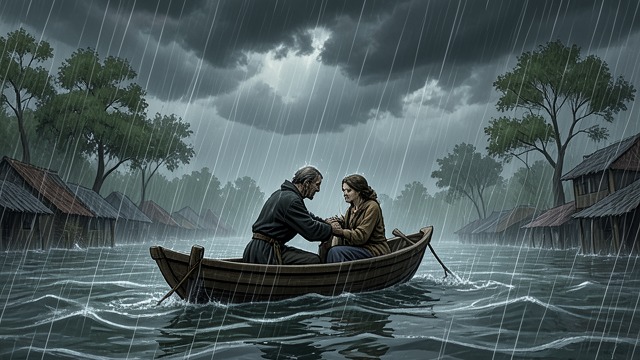
Divine Catastrophe
Judgment
Jupiter destroys the corrupt population through the Flood.
Reset Rather Than Return
Deucalion and Pyrrha rebuild humanity, but the restored world remains vulnerable to recurring pride and violence.
Civic Formation
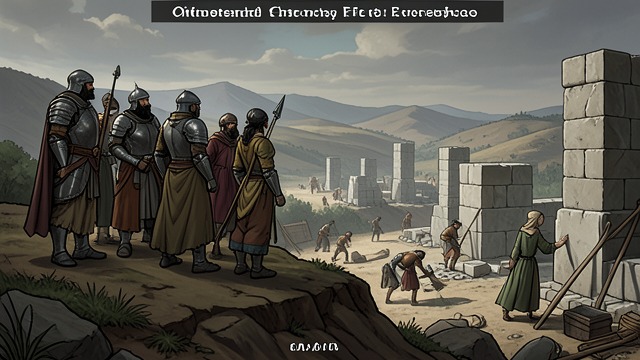
Civic Formation
Cities from Violence
Cadmus, Theseus, Aeneas, and Romulus establish political communities through combat, alliance, law, and migration.
Civilization’s Ambivalence
Cities protect collective life while also concentrating power, rivalry, and inherited conflict.
Philosophical Reconciliation
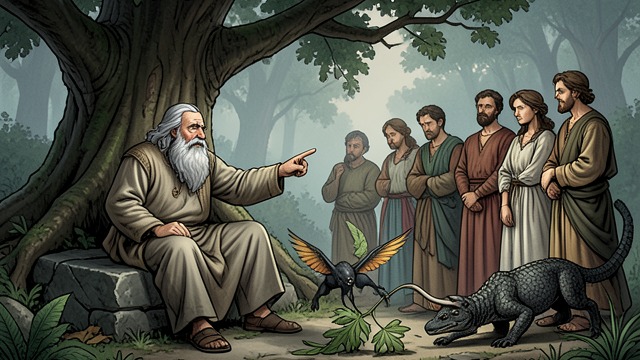
Philosophical Reconciliation
Change as Law
Pythagoras teaches that all bodies alter and souls continue through different forms.
Ethical Consequence
Understanding change should produce restraint, mercy toward living beings, and acceptance of mortality.
at the beginning of human history
after the earlier ages decline
after the Iron Age reaches its extreme
from Cadmus to Rome
near the final discourse
