
Iphis and the Limits of Gender
Metamorphoses (Ovid Edition)This flow follows Iphis from concealed birth through impossible love to divine bodily transformation.
increasing Bearing strength in each event
 decreasing
Bearing strength in each eventdecreasingA Conditional Birth
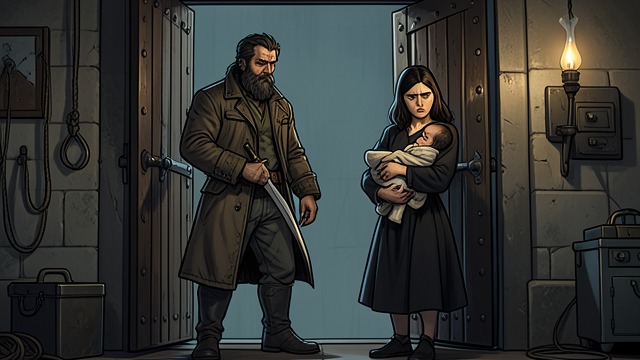
A Conditional Birth
Patriarchal Threat
Lygdus demands a son and threatens to kill a daughter because he regards female life as economically useless.
Maternal Deception
Telethusa hides the child’s sex, allowing Iphis to survive under a male name and social identity.
Love for Ianthe

Love for Ianthe
Mutual Affection
Iphis and Ianthe grow up together and become engaged, sharing genuine desire before either understands the obstacle.
Unequal Hope
Ianthe expects a male bridegroom, while Iphis knows that the expected marriage cannot be physically completed.
The Impossible Marriage

The Impossible Marriage
Desire Without a Path
Iphis recognizes that parental consent and mutual love cannot overcome the body’s apparent limitations.
Social Form Versus Inner Truth
The crisis exposes how identity, desire, and legal marriage depend upon assumptions that the narrative is about to overturn.
Isis’s Intervention
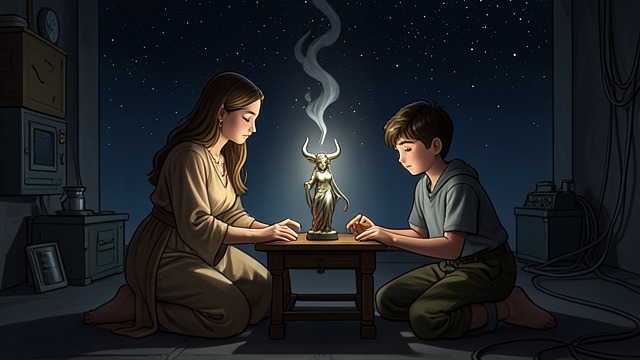
Isis’s Intervention
A Final Prayer
Telethusa and Iphis appeal to Isis after every human excuse has failed.
Divine Recognition
The goddess answers through signs, validating the mother’s protective deception and opening a new bodily possibility.
Iphis Made Male

Iphis Made Male
Bodily Metamorphosis
Iphis’s skin, voice, hair, strength, and sexual anatomy change, making the social fiction physically real.
Marriage Fulfilled
The transformation allows Iphis and Ianthe to marry, while the temple inscription preserves the history of the former female identity.
before Iphis is born
during Iphis’s adolescence
on the eve of the wedding
at the postponed wedding rites
immediately before the wedding
