
Humanity’s Relationship with Animals
Metamorphoses (Ovid Edition)This flow traces changing boundaries between humans and animals, from predation and punishment to kinship and ethical restraint.
increasing Bearing strength in each event
 decreasing
Bearing strength in each eventdecreasingLycaon as Wolf
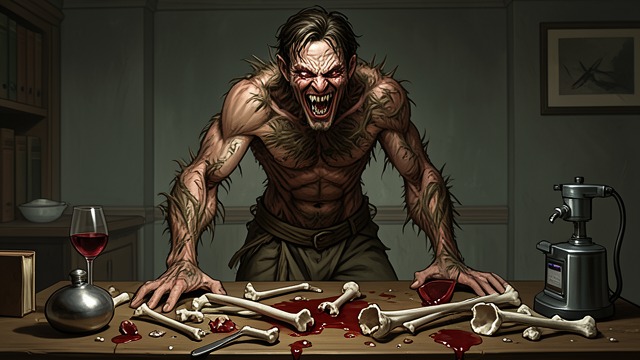
Lycaon as Wolf
Inner Brutality Revealed
Lycaon becomes a wolf after treating human life as food and hospitality as deception.
Animality as Judgment
The transformation does not introduce savagery; it exposes the violence already governing his human conduct.
Actaeon as Stag
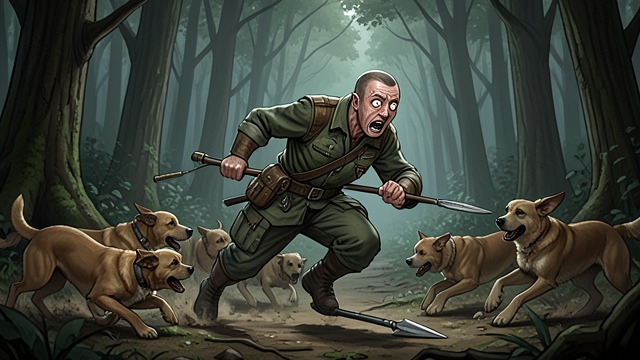
Actaeon as Stag
Hunter Becomes Hunted
Actaeon changes from master of the chase into the animal pursued by his own dogs.
Reversal of Perspective
The story dismantles human mastery by making the hunter experience fear, helplessness, and the loss of recognizable speech.
Midas as Ass
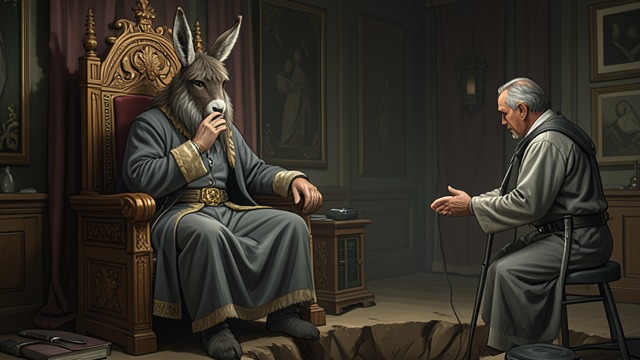
Midas as Ass
Failed Judgment
Midas’s ears become those of an ass after he gives a foolish musical verdict.
Reason and Instinct
His transformation marks intellectual failure through animal form, while the hidden ears reveal the social need to conceal error.
Pythagorean Kinship
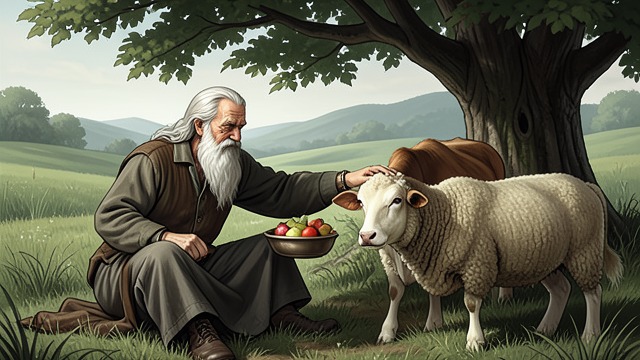
Pythagorean Kinship
Shared Life
Pythagoras argues that souls move through humans and animals, making violence potentially an attack on kin.
Dietary Consequence
His prohibition against meat turns metaphysical continuity into daily ethical practice.
The Phoenix Exception
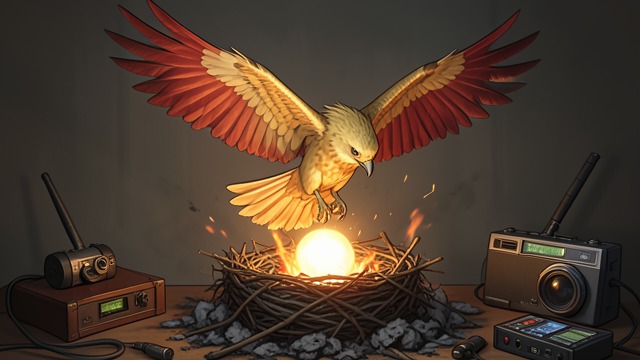
The Phoenix Exception
Self-Generated Renewal
The Phoenix rises from its own funeral fire and repeats its life in a new body.
Nature Beyond Ordinary Kinship
Its cycle becomes the clearest image of transformation without extinction, joining death, birth, and memory.
before the Flood
during Diana’s bath
after the musical contest
during Pythagoras’s discourse
near the end of Pythagoras’s speech
