Apollo and Hyacinthus
Metamorphoses (Ovid Edition)Apollo and Hyacinthus presents love as both an intimate attachment and a force of metamorphosis. Hyacinthus is Apollo’s beloved boy, the center of the god’s joy and imagined heavenly future; after Hyacinthus dies in a tragic discus accident, Apollo’s lament gives way to a transformation that preserves the dead youth in the form of a purple, fragrant flower. The relationship therefore ends in loss but not erasure: grief alters the body, the landscape, and the flower’s future identity.
Identity and Affection
Hyacinthus is introduced not merely as a beautiful youth but as Apollo’s darling boy, someone in whom Apollo placed his heaven and fixed his joy. The language makes their bond emotionally exclusive and deeply invested. Apollo had intended Hyacinthus for a place among the Gods if Fate had allowed it, so the relationship carries an unrealized promise of elevation: the beloved might have entered divine company, yet mortality interrupts that prospect before it can be fulfilled.
Apollo’s attachment is correspondingly more than admiration. Hyacinthus is the human focus of a god’s happiness, and the later contrast between joy and sorrow measures the entire force of the reversal. The relationship begins under the sign of delight, but its emotional structure already contains the possibility of catastrophe because the permanence Apollo imagines depends on a mortal life that Fate can end.
Shared Sport and the Fatal Accident
The decisive scene takes place beneath the mid-day sun, when the light stands evenly between the past night and the coming night. Apollo and Hyacinthus strip and smooth their bodies with oil before attempting the discus throw. Their shared activity places companionship in a physical and competitive setting: the bond is expressed through play, skill, strength, and the pleasure of pursuing sport together.
Apollo’s throw reaches a remarkable distance, a result that demonstrates an equal share of art and strength. The achievement seems to invite admiration and imitation, but the next movement turns the scene from athletic display to tragedy. As soon as the discus falls, Hyacinthus runs eagerly to retrieve it from the sand. The eagerness that belongs to youthful participation brings him into the path of the returning danger.
The discus has met stony ground, and its rebound fatally strikes Hyacinthus. The accident is not presented as a deliberate act of violence between the companions; its force comes from the unpredictable collision of athletic energy, hard earth, and youthful haste. A scene organized around shared pleasure therefore reverses into irreversible bodily harm, changing the relationship’s value from companionship and joy to helplessness and mourning.
Apollo’s Grief and the Flower
Hyacinthus does not vanish at once. He reclines his head, decays, and gradually loses the charms that had defined him in life. The visible decline makes the transformation a process rather than an instantaneous escape from death. Beauty, youth, and vitality are shown yielding to sickness and dissolution before another form can emerge.
Apollo recognizes the loss in an anguished cry, mourning that his boy is gone and that Hyacinthus has been defrauded of youth in all its pride. The god’s language converts the death into a theft of unrealized time: what has been taken is not only life but the future that life promised. Apollo also names the reversal within himself, declaring that the one who was once his joy has become his sorrow. The sentence binds the relationship’s beginning and ending together, showing grief as the transformed continuation of love.
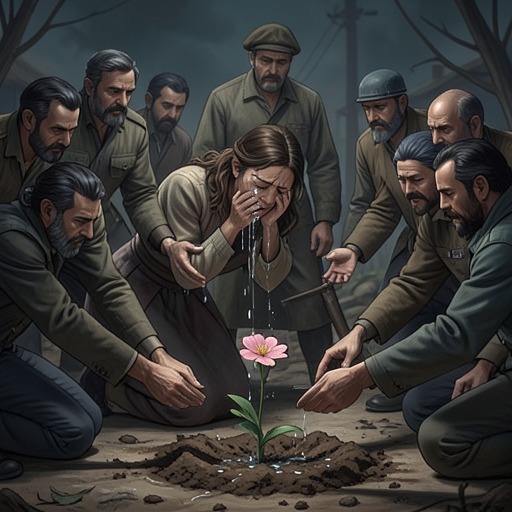
Yet Apollo’s lament does not remain only verbal. The blood staining the green field is no longer blood but a fully opened flower. From the turf rises a purple bloom whose fragrant breath perfumes the skies. The flower is thus both memorial and metamorphic body: Hyacinthus is dead as a youth, but his presence persists through color, scent, and seasonal recurrence in the natural world.
Memory, Fate, and Divine Remembrance
Apollo’s grief reveals the limits of divine power. He can recognize Hyacinthus’s worth, imagine his place among the Gods, and preserve his name, but he cannot prevent Fate from taking the youth. The relationship consequently exposes a tension between godhood and helplessness. Apollo possesses the power to transform the aftermath, not the power to cancel the event that caused it.
The new flower also carries a future inscription. Apollo reveals that when a mighty chief joins himself to Hyacinthus, the youth’s name will appear on the leaf together with Apollo’s plaints. The flower therefore becomes a repeated sign in which personal mourning and public remembrance meet. Hyacinthus’s identity is no longer confined to the private bond with Apollo; it is written into the visible form of the plant and into the name associated with its leaf.
The transformation gives the relationship its lasting narrative significance. Apollo and Hyacinthus move from shared sport, to accidental death, to mourning, and finally to memorial metamorphosis. The episode does not restore the lost youth or fulfill Apollo’s hope of placing him among the Gods. Instead, it creates another kind of permanence: the beloved survives as a flower, while Apollo’s sorrow survives as the explanation and emotional charge of that flower’s existence.