
Backup Is Not Resurrection
Mickey7The novel tests the promise of backup-based immortality through memory, social recognition, bodily suffering, and the distinct deaths of simultaneously living versions.
increasing Bearing strength in each event
 decreasing
Bearing strength in each eventdecreasingA Thought Experiment in Darkness
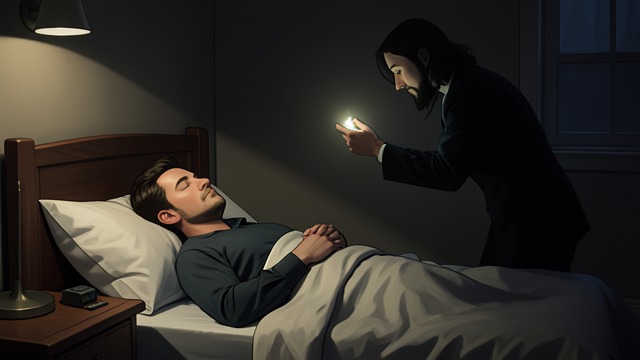
The Person Who Wakes
Death in Ordinary Language
Mickey asks readers to imagine dying in sleep and being replaced by someone with the same memories. He then connects that thought experiment to the destructive work he performs as an Expendable.
Practical Continuity
Other people may treat each new body as the same Mickey, and the new version may remember the past as his own. Mickey nevertheless suspects that the person who dies experiences an ending that no later memory can undo.
The opening makes identity a lived danger before the novel explains its technology. The question is not simply whether the copy behaves correctly; it is whether anyone can promise the dying person that he will be the one who returns.
The Ship of Theseus Offered
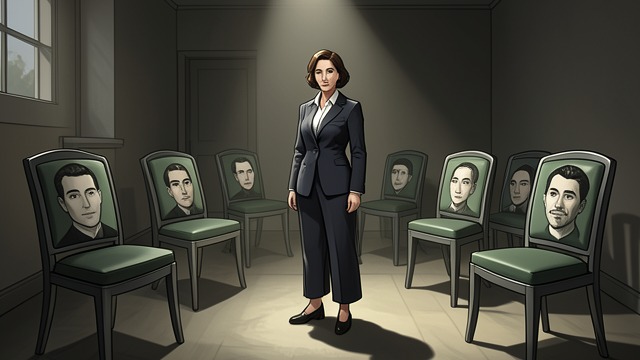
Gradual Change and Sudden Replacement
Jemma’s Comparison
Jemma uses the Ship of Theseus to argue that a person’s changing body remains the same person despite the replacement of its parts. A printed body, she suggests, is only a faster reconstruction.
The Unanswered Difference
Mickey can understand the practical analogy but cannot verify that continuity of memory preserves the original consciousness. The framework comforts him enough to continue, yet it does not give him access to another version’s inner experience.
The argument’s power lies in its incompleteness. It explains why society can recognize a returned Mickey while leaving open whether the original subject crossed the gap between bodies.
The Duplicate Makes It Concrete
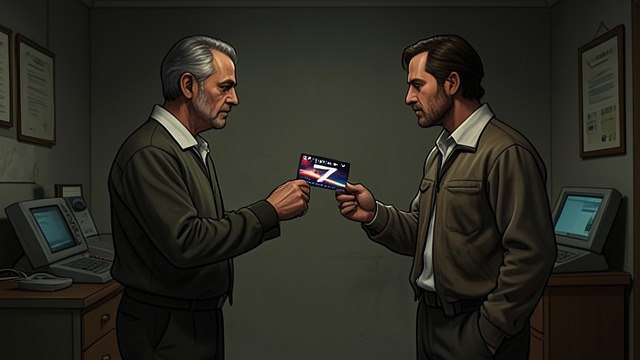
Two Claims on One Past
Identical Memory
Mickey7 and Mickey8 share the same memories up to the most recent upload. Each remembers being born, boarding the Drakkar, and surviving the same earlier deaths.
Separate Present Experience
Once both are awake, they want different things and compete over one ration card. Their shared history cannot make one of them a nonperson, and their physical coexistence makes the colony’s single-identity assumption impossible to maintain.
The duplicate turns a metaphysical puzzle into a political and bodily problem. A society can avoid deciding whether a backup is the original while only one copy exists; two living versions force the question into every choice they make.
The Death of the Other Self
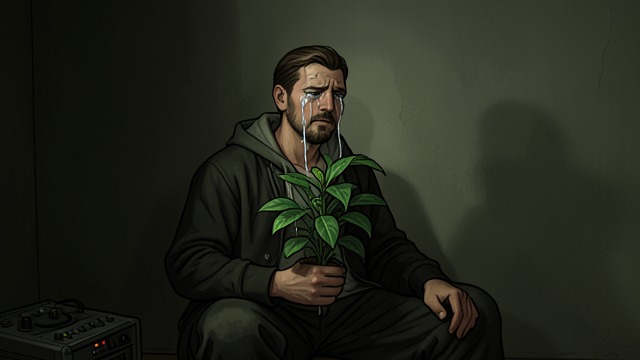
Grief Without a Clear Boundary
A Signal Ends
Mickey7 receives images from Mickey8 until communication stops. The last image shows a giant creeper close to him, and Mickey7 concludes that his counterpart has been killed.
Mourning as Evidence
Mickey7 initially argues that he has lost only a mirror, then finds himself crying for Mickey8. The grief cannot prove that the two were wholly separate, but it proves that the relationship mattered to the survivor.
Their shared past makes the loss more complicated, not less real. The novel lets emotional consequence coexist with metaphysical uncertainty rather than using one to settle the other.
Choosing the Current Self
Uncertainty No Longer Commands Consent
A Future Version Debated
Mickey7 and Mickey8 disagree about whether a later backup would truly be the same person. Mickey7 says that the present version has only the life it is currently living; Mickey8 trusts continuity through memory and recognition.
The Refusal Stands
When Hieronymus Marshall demands a fatal task, Mickey7 refuses without waiting for a final answer to the identity question. He protects the experience he has now, even if a future version might later remember him.
The choice grounds the novel’s philosophy in action. The possibility of restoration does not obligate a person to accept every death, and uncertainty about continuity cannot be used as proof that the present life has no value.
At the opening, after Mickey7 falls underground
During the first week of training at Himmel Station
The morning Mickey8 wakes in Mickey7’s bed
During Mickey7’s final tunnel mission
After Mickey7 refuses the reactor assignment
