
The New Fever Hospital and Its Opponents
MiddlemarchThis thread follows the hospital’s creation, Lydgate’s scientific role, and the competing motives that turn a public-health project into a test of local power.
increasing Bearing strength in each event
 decreasing
Bearing strength in each eventdecreasingA Medical Institution Proposed
A Medical Institution Proposed
A benefactor’s project
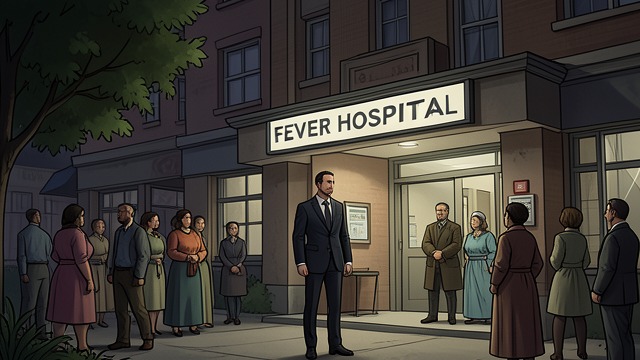
Nicholas Bulstrode finances a new fever hospital, hoping it will advance public health and embody his religious commitments. Its direction also gives him influence over a major town institution.
A scientific opportunity
Lydgate sees the hospital as a chance to study fever, improve treatment, and encourage medical education outside London. His ambitions align with Bulstrode’s resources, but not necessarily with the banker’s motives.
The Chaplaincy Becomes a Political Test
The Chaplaincy Becomes a Political Test
Competing candidates
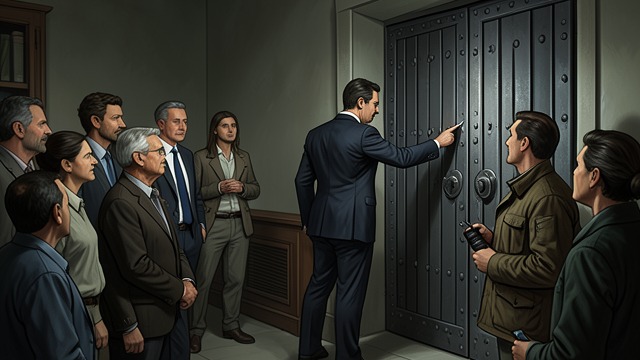
Bulstrode backs Walter Tyke, while many townspeople favor Camden Farebrother. Lydgate must cast the deciding vote and knows that the choice will shape his standing with Bulstrode and Farebrother.
The first compromise
Lydgate votes for Tyke, though his conscience is not fully satisfied. The decision establishes that his ideal of professional independence can be constrained by practical alliances.
A Hospital Without the Town’s Doctors
A Hospital Without the Town’s Doctors
Centralized authority
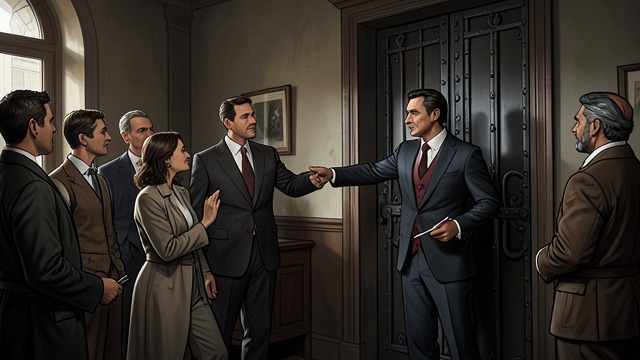
Bulstrode proposes that Lydgate direct treatment and that a small board of major contributors control the hospital. The plan protects medical innovation but concentrates institutional power.
A professional boycott
The established doctors refuse to serve. Lydgate resolves to continue with a small staff, believing that successful results may eventually overcome opposition.
Public Suspicion and Private Goodwill
Public Suspicion and Private Goodwill
Reform misread as danger
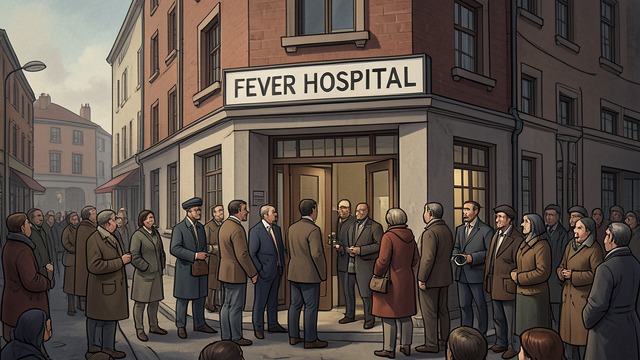
The townspeople hear that Lydgate wants to cut open bodies, avoid useful medicines, and experiment on patients. These suspicions merge with resentment of Bulstrode’s control.
A narrow base of support
Dorothea contributes money, and a few individuals recognize Lydgate’s motives. The project continues, but it cannot escape the social divisions that shaped its founding.
The Hospital Loses Its Independence
The Hospital Loses Its Independence
A change of plan
After the scandal, Bulstrode says he may withdraw his support and proposes merging the new hospital with the old infirmary. The change would bring general support but end Lydgate’s independent authority.
A vocation abandoned
Lydgate refuses to promise success under a new arrangement because his reputation and confidence have been damaged. He accepts that his work in Middlemarch may end, and the hospital loses the distinctive program he had planned.
Before Lydgate settles in Middlemarch
Before the hospital’s opening
When Bulstrode announces his governance plan
During Lydgate’s early hospital work
After Bulstrode faces public disgrace
