
The Railway and Frick’s Resistance
MiddlemarchThis thread traces rural suspicion of railway development, the assault on surveyors, and the practical negotiation between local laborers and change.
increasing Bearing strength in each event
 decreasing
Bearing strength in each eventdecreasingA New Line Approaches
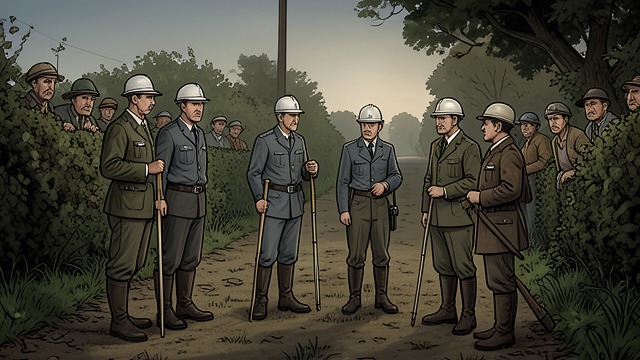
A New Line Approaches
An unfamiliar intrusion
Railway agents enter land to survey a proposed route through Lowick. For local farmers and laborers, the project is difficult to understand and immediately threatens familiar fields and livelihoods.
Suspicion spreads
Solomon Featherstone fuels distrust in Frick, suggesting that the railway will divide fields and destroy local work. His warnings draw on real insecurity, though he uses it for his own bargaining interests.
The Surveyors Attacked
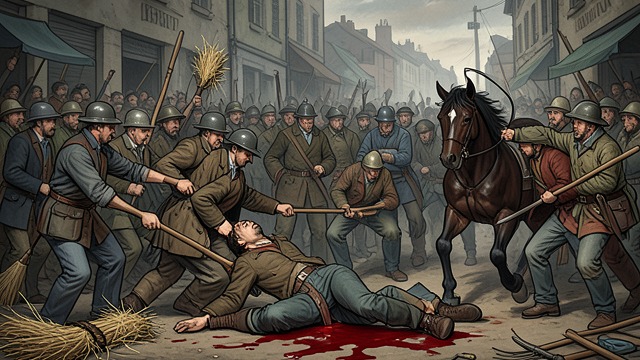
The Surveyors Attacked
A confrontation in the fields
Laborers armed with hay-forks drive railway surveyors away and knock down Caleb Garth’s young assistant. Fred Vincy arrives on horseback and disperses the crowd with his whip.
Violence checked
Fred returns to help the injured worker, while Caleb goes back to the laborers to explain the legal authority behind the survey. The scene forces both men to confront the distance between official plans and local fear.
Caleb’s Practical Persuasion
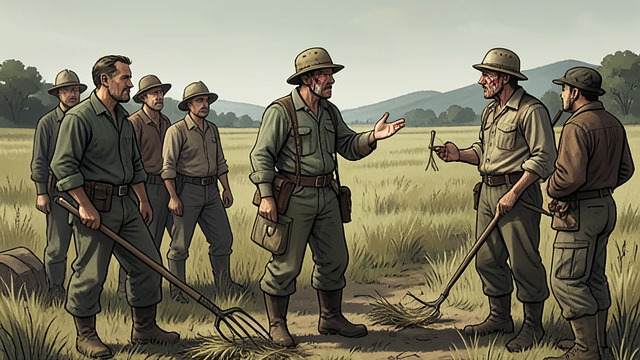
Caleb’s Practical Persuasion
No grand political language
Caleb tells the laborers that the railway will be built and that fighting the surveyors will only bring arrest. He acknowledges that change may cause harm but urges them not to worsen their own position.
Understanding without agreement
Timothy Cooper insists that past improvements have not helped poor laborers. Caleb cannot dismiss the complaint, but secures a promise that the workers will not attack again.
A New Work for Fred
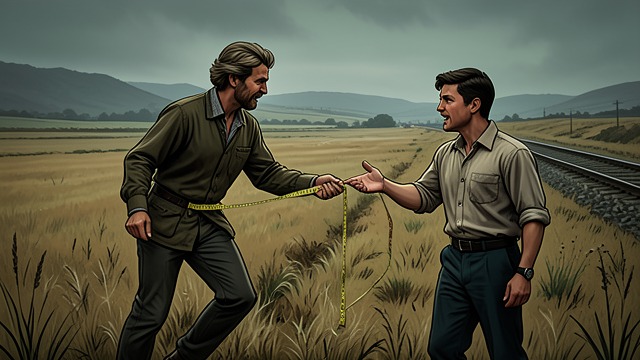
A New Work for Fred
An unexpected test
Fred offers to help Caleb with measuring and land valuation after the disturbance. The task gives him a practical experience of work that differs from the genteel career he once expected.
The beginnings of a vocation
Caleb recognizes Fred’s quickness and asks whether he wants to learn the business. The railway crisis thus becomes the occasion for Fred to find a viable path outside the Church.
Change as a Shared Burden
Change as a Shared Burden
Development brings costs
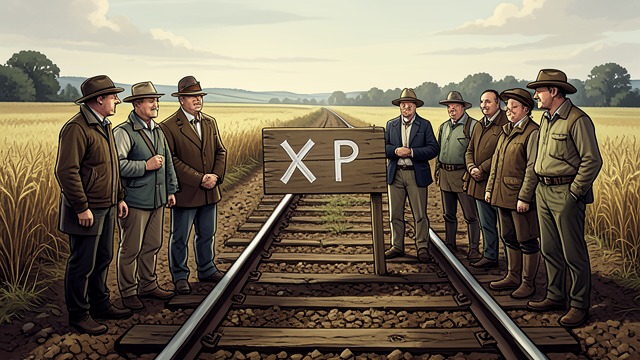
The proposed railway represents mobility and economic change, but its route cuts through lands shaped by generations of rural labor. The affected workers have reason to distrust benefits promised by distant planners.
A local ethic of adjustment
Caleb neither celebrates every innovation nor rejects change outright. His response favors practical negotiation, a useful contrast to both Solomon’s manipulation and the laborers’ momentary violence.
As railway surveys begin in Lowick parish
A wet morning during the survey season
Immediately after the assault
Later that same day
By the close of the novel
