
Wealth, Inheritance, and Dependence
MiddlemarchThis thread traces how money shapes the choices and moral relationships of Dorothea, Fred, Will, Lydgate, and Bulstrode.
increasing Bearing strength in each event
 decreasing
Bearing strength in each eventdecreasingMoney as a Promise

Money as a Promise
Freedom imagined through property
Dorothea sees wealth as a means to improve cottages and relieve need, not as a route to display. Others around her treat property as security, status, and the means to manage their futures.
Different kinds of dependence
Fred assumes he will inherit; Will relies on Casaubon’s support; Lydgate enters marriage without adequate capital. Their expectations reveal how money shapes agency even when it is not openly discussed.
Featherstone’s Estate as a Social Contest
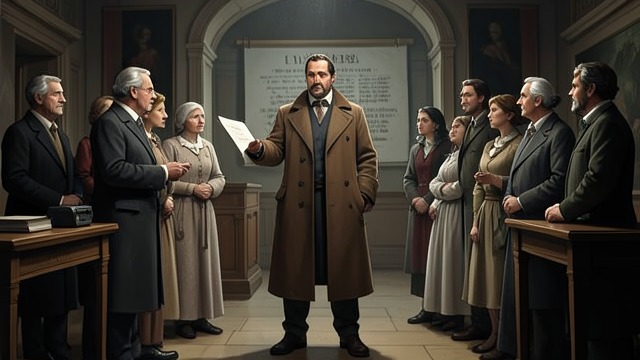
Featherstone’s Estate as a Social Contest
Hope and calculation
Relatives interpret Featherstone’s behavior as evidence that they will inherit. Their visits mix family feeling with surveillance, and his changing wills keep every expectation uncertain.
Property reveals character
The will favors a stranger over blood relatives and leaves the family to face their own assumptions. The estate becomes a test of entitlement, not a straightforward reward for kinship.
Debt and Social Identity

Debt and Social Identity
Different responses to borrowing
Fred initially treats debt as a temporary difficulty that others or luck will resolve. Lydgate, who once scorned dependence, discovers that household expenses can narrow even a strong professional life.
Shame multiplies the burden
Both men fear being judged as failures, but their obligations affect others differently. Fred’s debt costs the Garths savings; Lydgate’s later borrowing entangles him with Bulstrode’s scandal.
Property as a Moral Claim

Property as a Moral Claim
Dorothea questions an inheritance
Dorothea believes Will has a claim because his family suffered injustice, and she asks Casaubon to provide for him. Casaubon refuses, treating the decision as his to control.
The codicil’s pressure
The forfeiture condition makes the property a restraint on Dorothea’s future. She later relinquishes Casaubon’s estate by marrying Will, refusing to let wealth decide whom she may love.
Money as Help and Compromise
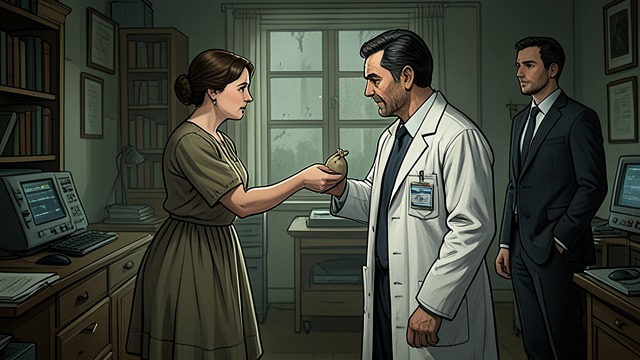
Money as Help and Compromise
Unequal assistance
Dorothea offers Lydgate money without demanding control over him. Bulstrode’s loan, by contrast, brings a public interpretation that Lydgate has accepted a bribe, regardless of the doctor’s original understanding.
The moral weight of money
The same sum can appear as generosity, obligation, or corruption depending on its circumstances. The novel tests whether financial help strengthens fellowship or creates a bond that distorts judgment.
Before the marriages and inheritances are settled
During Featherstone’s final illness and funeral
From Fred’s bill to Lydgate’s creditors
After Casaubon’s death
During the public scandal and its aftermath
