
Nicholas Bulstrode’s Moral Unraveling
MiddlemarchThis thread traces how Bulstrode’s religious self-image accommodates a compromised past, then collapses under the return of Raffles and public exposure.
increasing Bearing strength in each event
 decreasing
Bearing strength in each eventdecreasingA Reputation for Piety

A Reputation for Piety
Power framed as service
Nicholas Bulstrode uses his banking influence and charitable work to shape Middlemarch institutions. He sincerely believes his power is for God’s purposes, though his charity also gives him authority over neighbors.
An uneasy double life
His religious conviction coexists with investments and decisions shaped by personal ambition. He is practiced at explaining questionable actions as instruments of a larger good.
A Fortune and a Concealed Daughter

A Fortune and a Concealed Daughter
The source of wealth
As a young man, Bulstrode joins a highly profitable pawnbroking business in which goods are accepted without strict inquiry into their origins. He calms his objections by imagining the fortune as a tool for religious service.
A choice against restitution
When his first wife’s daughter, Sarah Dunkirk, is found, Bulstrode keeps her existence from her mother. After the mother’s death, he retains the inheritance that might have passed through Sarah and her descendants.
Raffles Returns as a Threat
Raffles Returns as a Threat
The old accomplice
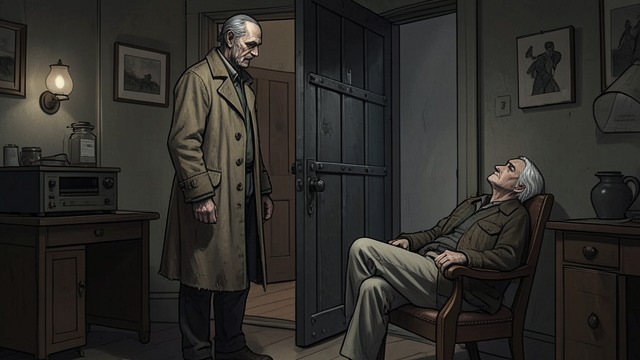
John Raffles recognizes Bulstrode and hints at their shared past. He knows about Sarah Dunkirk and uses that knowledge to demand money and protection.
Compromised attempts at control
Bulstrode pays Raffles to leave, then later brings him to Stone Court while ill. His fear of exposure shapes his choices, though he continues to describe the crisis in terms of providence and conscience.
A Death He Does Not Prevent
A Death He Does Not Prevent
Care and temptation
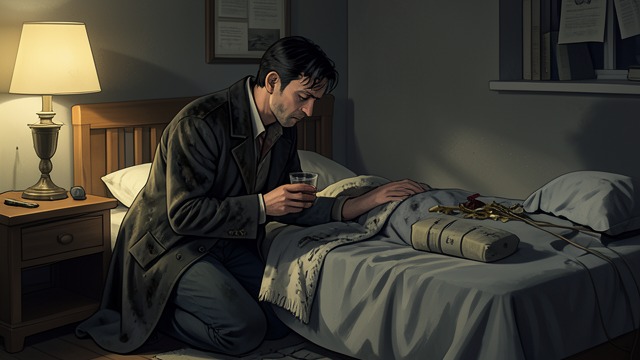
Bulstrode accepts responsibility for the sick Raffles and initially follows Lydgate’s instructions. As Raffles weakens, Bulstrode struggles between obeying the medical orders and desiring the silence that death would bring.
A morally clouded outcome
He permits Mrs. Abel to give brandy and fails to correct the opium treatment as he should. Raffles dies, leaving Bulstrode with no clear proof of deliberate killing but with a conscience compromised by desire and inaction.
Exposure and Enduring Shame

Exposure and Enduring Shame
Public judgment
News of Bulstrode’s past spreads through Middlemarch, and he is publicly challenged to answer allegations about his fortune. His religious standing, business authority, and reputation as a benefactor collapse together.
Loyalty without absolution
Harriet Bulstrode learns the scandal and remains beside him, but her compassion cannot undo his shame. He prepares to leave Middlemarch, carrying the knowledge that his self-justifications do not erase harm.
Before Bulstrode’s scandal becomes public
Decades before the main events
After Bulstrode buys Stone Court
During Raffles’s final illness at Stone Court
After Raffles’s funeral and the Town Hall meeting
