
Dorothea and Celia’s Sisterhood
MiddlemarchThis thread traces the affection and divergence between Dorothea and Celia as they interpret marriage, judgment, and one another’s choices.
increasing Bearing strength in each event
 decreasing
Bearing strength in each eventdecreasingJewels and Different Temperaments

Jewels and Different Temperaments
A small disagreement
Celia wants to divide their mother’s jewels, while Dorothea initially dismisses wearing them as trivial. Dorothea later keeps the emeralds, revealing that her principles and feelings do not always align neatly.
Affection beneath criticism
The sisters’ disagreement includes real irritation, but it ends in Dorothea’s affectionate gesture and Celia’s forgiveness. Their bond allows disagreement without severing intimacy.
A Suitor Misread

A Suitor Misread
Celia sees the signs
Celia recognizes that Sir James Chettam is courting Dorothea, while Dorothea thinks of him chiefly as a suitable husband for her sister. Celia’s common sense exposes Dorothea’s poor reading of social signals.
A different future
Dorothea accepts Casaubon instead, shocking Celia. Though Celia dislikes the match, she eventually expresses concern as a sister rather than trying to control Dorothea.
Celia’s Marriage and New Family

Celia’s Marriage and New Family
The engagement disclosed
Celia tells Dorothea that she and Sir James are engaged. Dorothea is genuinely pleased, although marriage now carries a seriousness she had not felt before her own experience.
The baby as a new center
Celia’s happiness settles around domestic life and her child. She finds Dorothea’s unconventional seriousness difficult to understand, yet continues to love and welcome her.
Celia Objects to Dorothea’s Remarriage

Celia Objects to Dorothea’s Remarriage
Concern framed as common sense
Celia learns that Casaubon’s will penalizes Dorothea if she marries Will. She thinks Dorothea should not repeat a mistake and tries to warn her against giving up her position.
Love survives disagreement
Dorothea does not accept Celia’s judgment, but neither sister withdraws affection. Celia remains anxious for her sister’s welfare, even when her advice reinforces social expectations Dorothea rejects.
Reconciliation Through Family
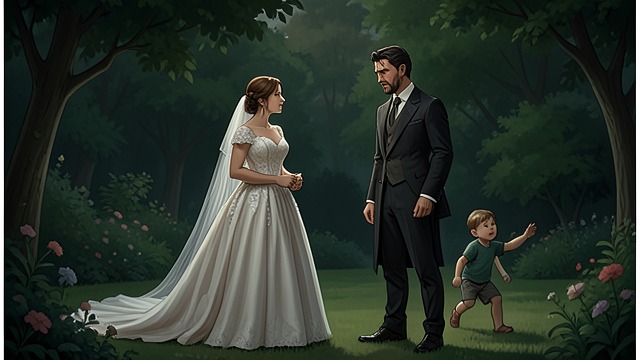
Reconciliation Through Family
Distance and repair
Sir James resists Dorothea’s choice, and Celia initially fears that her sister is making another error. The family’s disapproval is softened by Celia’s enduring attachment and the ordinary claims of kinship.
A renewed connection
Celia’s need to see Dorothea after the birth of her child helps restore contact between the families. Their eventual visits show that love can survive judgments that were once treated as final.
Early in the story, at Tipton Grange
During Dorothea’s courtship
After Dorothea returns from Rome
After Casaubon’s death
After Dorothea marries Will
