
Aging, Mortality, and the Body
Midwinter BreakThis flow traces how physical decline becomes a source of humor, fear, and mutual care for the aging couple.
increasing Bearing strength in each event
 decreasing
Bearing strength in each eventdecreasingThe Eye Appointment
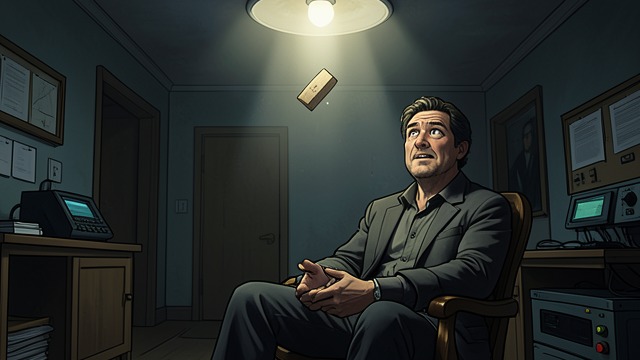
Seeing Age
Ordinary symptoms
Gerry experiences flashes of light and recalls his optician explaining that such phenomena are common with age. He worries about strokes and illness even as he turns the concern into comic dialogue.
The body as evidence
His fears reveal how aging has made bodily sensations difficult to ignore. Humor creates distance from mortality without making the physical uncertainty disappear.
The Bath Fall
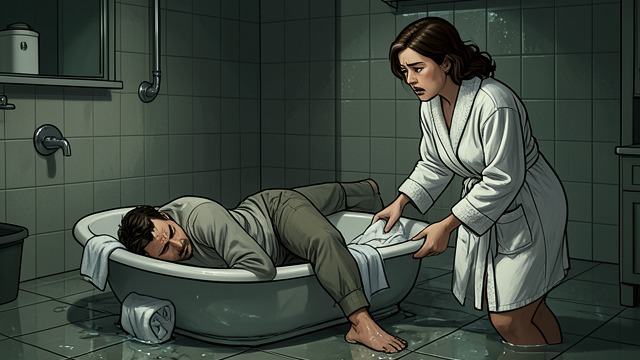
A Sudden Vulnerability
Losing his footing
Gerry slips while showering and crashes into the bath. He fears broken bones and calls for Stella, who hurries in and helps him stand.
A milestone named
He describes it as the first fall in the shower, the kind of event that makes age feel concrete. Stella’s laughter gives way to practical care, and the couple recognizes how suddenly dependence can begin.
The Cramp in the Night
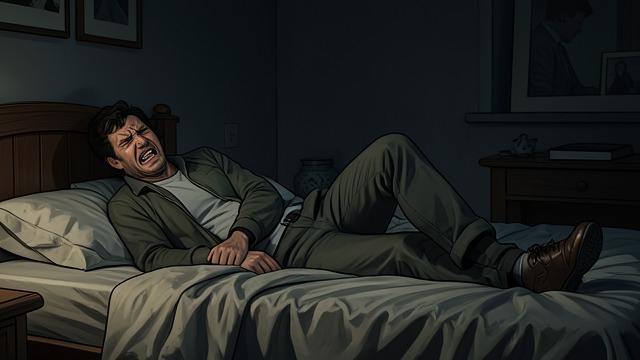
Pain in the Dark
A body out of control
Gerry wakes with severe cramp and struggles to flatten his foot without waking Stella. His comic narration coexists with fear and acute pain.
The hidden risk
He later admits the cramp, but not the full extent of his drinking or wandering. The body supplies evidence of harm that he has not yet fully confronted.
Stella’s Fear of Forgetting
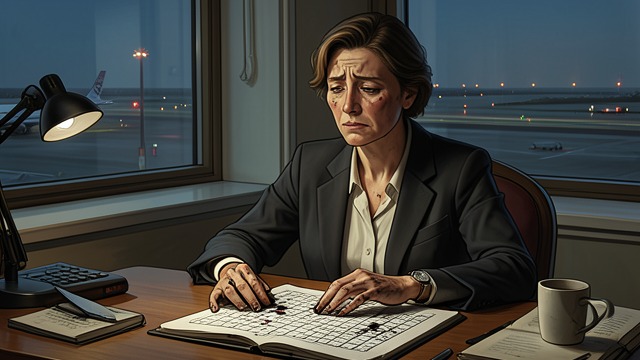
Memory and Decline
The family history
Alone at the airport, Stella worries about the memory loss she witnessed in her mother and grandmother. She uses crosswords to keep her mind active and fears losing the memories that define her life.
Gerry’s parallel decline
She recognizes Gerry’s forgetfulness too, from repeated questions to missed plans. Aging is not only his drinking or her exhaustion; it is a shared uncertainty about how much time and capacity remain.
The Snow-Lit Present

Attention Before the End
Mortality in the landscape
Gerry imagines ancient marshes beneath the airport and thinks of people whose lives survive only in remains. The landscape makes human passing feel both immense and fragile.
A present companion
He considers being beside Stella a privilege that outweighs the bleakness of the setting. Mortality sharpens his attention to companionship rather than extinguishing hope.
The early morning before departure
The evening after the museum visit
The night before the cancelled return flight
The first night at Schiphol Airport
The final dawn of the trip
