
Arts Education as Empowerment
Missing YouThis thread develops the book’s claim that arts education can create confidence and possibility for children whose lives offer few supports.
increasing Bearing strength in each event
 decreasing
Bearing strength in each eventdecreasingSkepticism About the Program
Skepticism About the Program
Doubting the Value of Art
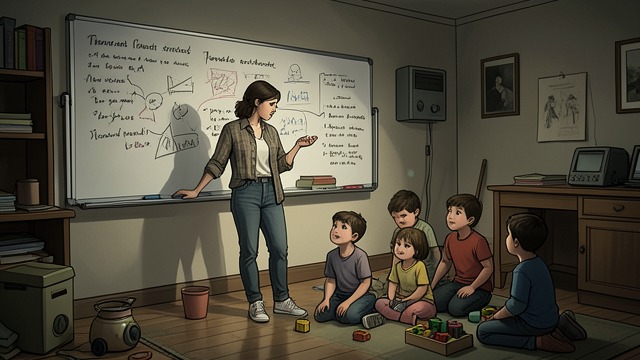
Jessica initially questions whether putting on plays can matter to children facing poverty and difficult homes. She sees the program as well-intentioned but potentially trivial beside more urgent problems.
Her skepticism reflects her preference for practical, visible outcomes. A visit to the camp will challenge the assumption that art is merely decoration.
A Child Takes the Stage
A Child Takes the Stage
Participation Changes the Room
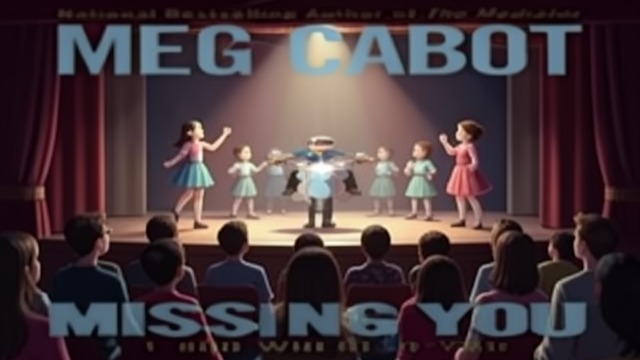
Jessica sees children act in a play and discovers that creating something together can make a meaningful difference. The children are not simply receiving entertainment; they are given a chance to perform and be seen.
The experience changes Jessica’s view of Ruth’s work. Art does not erase a child’s problems, but it can offer confidence and a temporary space for possibility.
The First Flute Lesson
The First Flute Lesson
Skill Made Accessible
Jessica demonstrates fast passages on the flute and shows children that they can learn them through practice. Their surprise and excitement make teaching feel rewarding in a way orchestra work does not.
The scene connects artistic skill to encouragement rather than elite status. Jessica’s knowledge matters because she can share it with children who have not had access to an instrument.
A School Built Around the Arts

A School Built Around the Arts
An Alternative Educational Vision
Douglas and Tasha propose a high school that puts music, drawing, sculpture, drama, and dance at its center. Their plan offers a different environment for students who feel lost in a large, impersonal system.
The proposal turns the summer program’s small-scale promise into a civic project. Arts education becomes part of how a community imagines its young people’s future.
Jessica’s Possible Classroom
Jessica’s Possible Classroom
From Temporary Work to Vocation
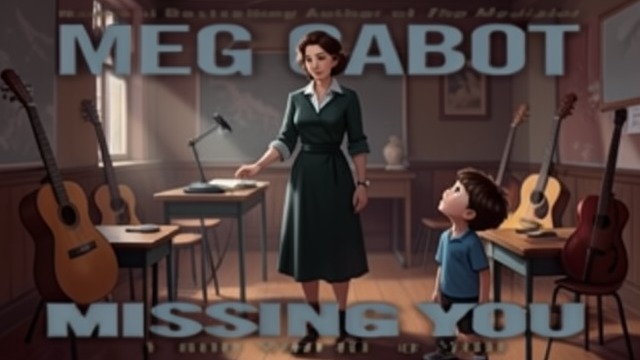
Douglas and Tasha invite Jessica to consider teaching music at the proposed school. The possibility joins what she already enjoys to a durable role in her community.
Jessica has not yet completed teacher certification, but the invitation helps her name a path beyond performance and government service. Teaching becomes a way to give children the encouragement that once changed her own view of the arts.
Before Jessica visits Ruth’s summer program
During Jessica’s first visit to the day camp
Later in the summer program
At the Pine Heights community hearing
After Whitehead’s donation is secured
