
Ahab and Starbuck
Moby-DickThis flow traces the emotional and political bond between Captain Ahab and Starbuck as resistance, pity, and obedience become inseparable.
increasing Bearing strength in each event
 decreasing
Bearing strength in each eventdecreasingInitial Respect
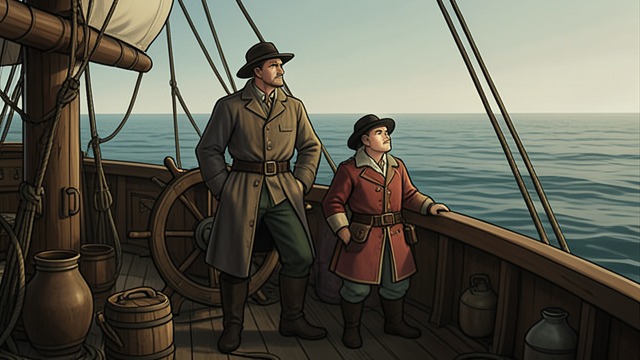
Initial Respect
Complementary Authority
Starbuck's steadiness and Captain Ahab's force seem capable of forming a strong command. Their differences promise balance rather than conflict.
Hidden Distance
Captain Ahab's private purpose remains concealed. Respect grows before either man fully understands the other's moral position.
Vengeance Dispute
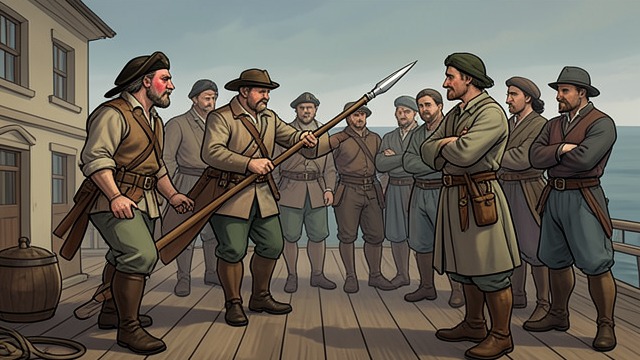
Vengeance Dispute
Ethical Objection
Starbuck calls revenge against an animal madness and insists that the ship came to hunt whales for work. His words defend proportion and professional duty.
Emotional Capture
Captain Ahab answers with intensity that makes opposition feel like cowardice. Starbuck's reason is defeated not by logic but by group emotion.
Private Recognition

Private Recognition
Shared Humanity
Captain Ahab and Starbuck glimpse one another's families and wounds. Their conflict acquires tenderness because each recognizes the other's loneliness.
Incomplete Reconciliation
Compassion softens Captain Ahab but does not alter his course. Their bond becomes tragic precisely because affection cannot overcome purpose.
Musket and Mercy
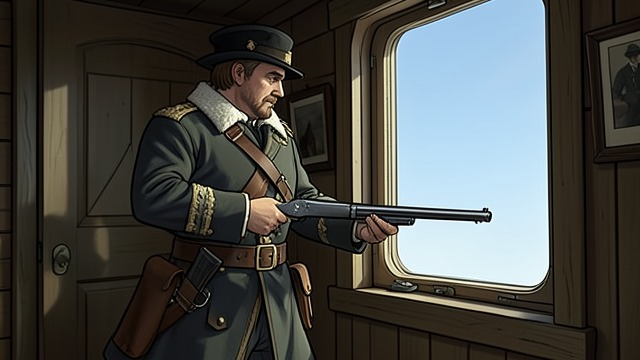
Musket and Mercy
Temptation to Kill
Starbuck considers using Captain Ahab's musket to save the crew. The captain's tyranny makes murder appear like responsibility.
Failure to Act
He lowers the weapon and reports the fair wind instead. His mercy preserves the captain and condemns the ship to continue.
Last Handclasp
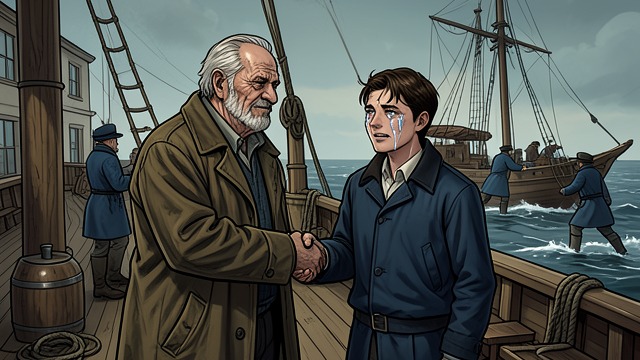
Last Handclasp
Emotional Farewell
Captain Ahab admits his age, marriage, lost years, and desire for home. Starbuck responds with tears and urges retreat.
Chosen Separation
Their hands meet, but Captain Ahab still orders the lowering. The gesture proves their bond while the command proves its defeat.
early voyage before the oath
the oath ceremony
during the late voyage
during the typhoon
just before the third day's lowering
