
Starbuck's Resistance
Moby-DickThis flow follows Starbuck's movement from prudent officer to morally compromised loyalist who recognizes Captain Ahab's madness but cannot escape it.
increasing Bearing strength in each event
 decreasing
Bearing strength in each eventdecreasingConscientious Mate
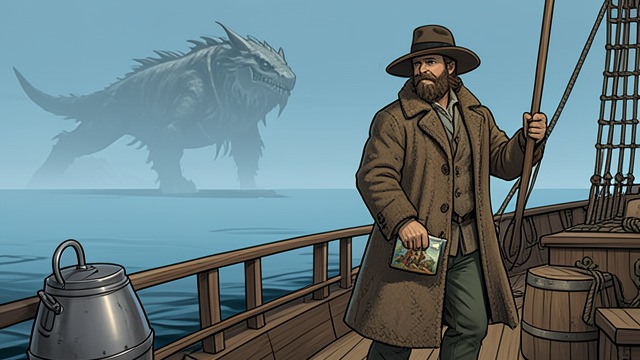
Conscientious Mate
Practical Courage
Starbuck understands whaling as dangerous labor rather than romantic crusade. He values fear because accurate fear protects a crew.
Moral Foundation
His domestic memories and religious reverence make him suspicious of needless risk. He represents responsibility within a profession built on violence.
Public Objection
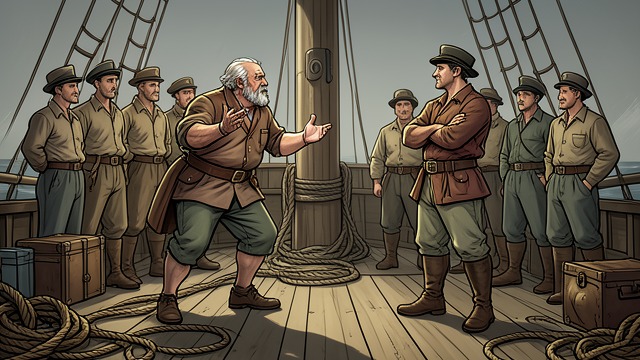
Public Objection
Commercial Argument
Starbuck asks what revenge can yield in barrels or money. His objection exposes the gap between the ship's lawful purpose and Captain Ahab's private obsession.
Failed Appeal
Captain Ahab overwhelms him by converting the crew's excitement into pressure. Starbuck's reason survives intellectually but loses practical authority.
Forced Obedience
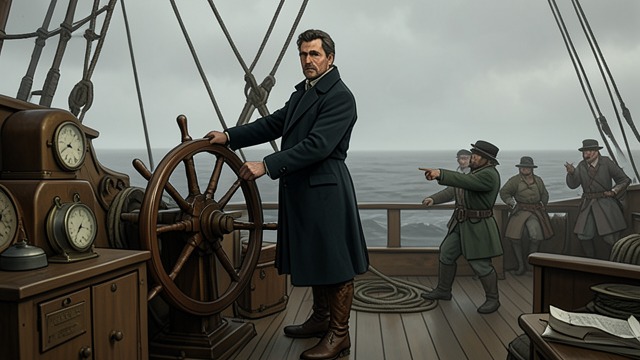
Forced Obedience
Divided Will
Starbuck continues to perform his duties while inwardly rejecting the hunt. His obedience becomes a form of moral self-accusation.
Captain's Leverage
Captain Ahab understands that Starbuck's body and office can be commandeered even when his conscience resists. Authority converts disagreement into complicity.
Musket Crisis
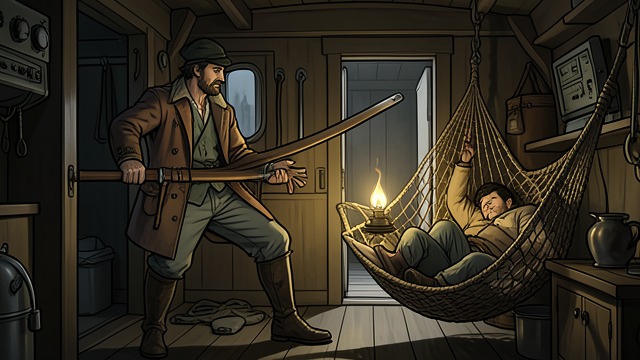
Musket Crisis
Imagined Prevention
Starbuck considers killing Captain Ahab in order to save the ship. The possibility reveals how far obedience has pushed him from ordinary morality.
Withdrawal
He cannot fire. His conscience restrains murder but leaves the crew exposed to the captain's madness.
Final Compliance
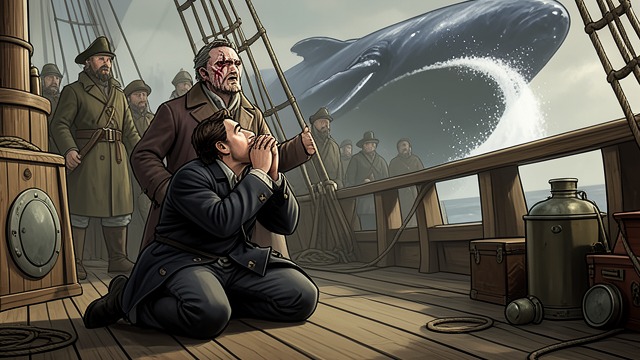
Final Compliance
Last Appeal
Starbuck recognizes that the White Whale is not pursuing them and begs Captain Ahab to stop. His argument is emotionally stronger than before but arrives after the crew has been consumed by momentum.
Tragic Loyalty
He obeys the final orders and watches the Pequod sink. His survival, if any, cannot erase the moral failure of having remained at the helm.
before the main hunt
when Captain Ahab announces the oath
after the oath and during routine cruising
during the typhoon before the final chase
third day before the last lowering
