
Time as Life, Not Property
MomoThis flow traces the novel's contrast between time as a personal, living experience and time treated as bankable property.
increasing Bearing strength in each event
 decreasing
Bearing strength in each eventdecreasingAn Everyday Mystery
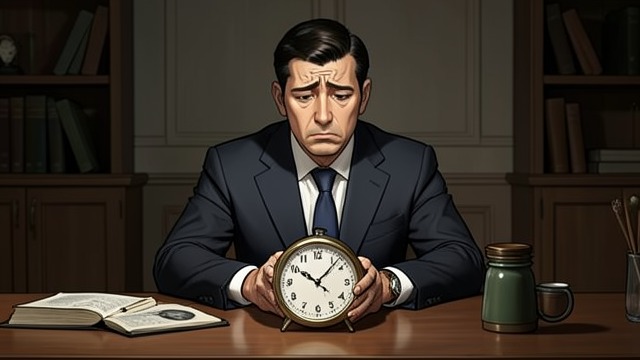
An Everyday Mystery
The Measure and the Experience
The narrator introduces time as a mystery everyone shares but rarely considers. An hour may feel long or brief depending on how it is lived, despite what clocks and calendars say.
This distinction prepares the conflict between experienced time and counted seconds. The Gray Men understand time's value as a resource to capture, while ordinary people often fail to recognize its human meaning.
The Bank's Balance Sheet
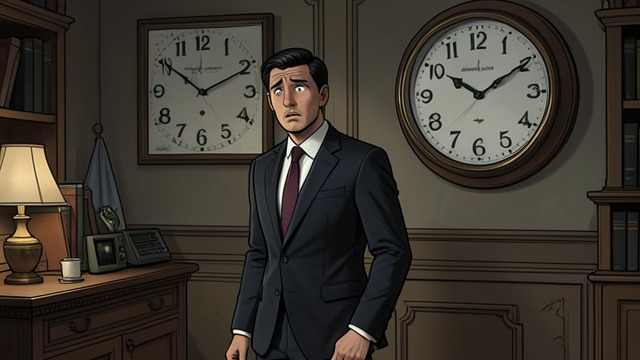
The Bank's Balance Sheet
Time Becomes Capital
The Gray Man describes a person's lifespan as a stock of seconds and labels relationships and rest as expenditures. The metaphor turns time into money that can supposedly earn interest.
The numbers conceal a category error: a lived hour is not a coin that can be stored for later use. The bank's scheme succeeds by making the metaphor feel more real than Mr Figaro's experience.
The Heart as Measure
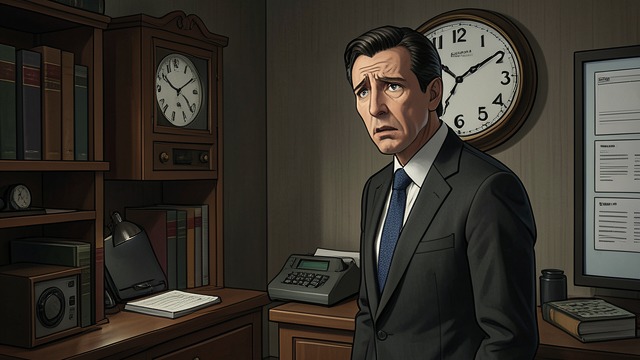
The Heart as Measure
Time Must Be Appreciated
Professor Hora tells Momo that people carry a capacity to appreciate time in their hearts. His clocks are only imperfect copies of that inward faculty.
The account distinguishes having time from noticing and inhabiting it. A person can possess hours yet waste them by failing to attend to the life they contain.
The Gray Men's False Saving

The Gray Men's False Saving
More Saved, Less Possessed
As residents save time by giving up care and pleasure, their lives grow poorer and shorter in experience. The time they supposedly bank is actually diverted to the Gray Men.
The novel's paradox becomes social reality: people save more and have less. The loss is difficult to identify because it occurs gradually within habits that appear responsible.
Time Restored to Its Owners

Time Restored to Its Owners
A Life Returned
When Momo releases the hour-lilies, the flowers return to people's hearts and time resumes. The city becomes capable of attention, patience, play, and care again.
The resolution does not reveal a new way to accumulate time. It restores people's relationship to hours they already own, confirming that time is life rather than a deposit.
at the beginning of the time-saving discussion
during the recruitment of Mr Figaro
during Momo's first conversation about time with Professor Hora
as the bank's influence spreads across the city
at the climax and resolution
