
The Cost of Endless Efficiency
MomoThis flow traces the costs that accumulate as work, family, architecture, and leisure are reorganized around speed.
increasing Bearing strength in each event
 decreasing
Bearing strength in each eventdecreasingWork Loses Its Pleasure
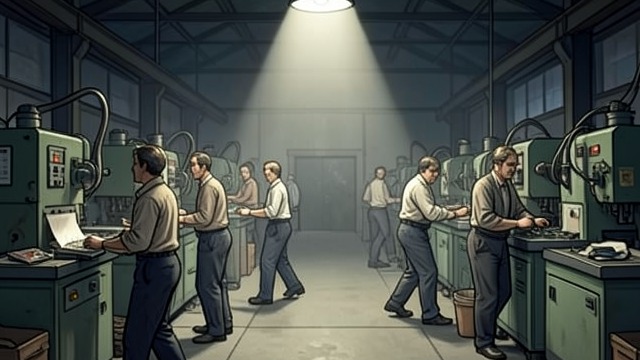
Work Loses Its Pleasure
Output Replaces Craft
Factories, offices, shops, and schools adopt instructions to save time and maximize output. Enjoyment and pride are treated as impediments to getting more done.
The change reduces work to performance measured by speed. It leaves little room for the satisfaction that came from doing a job well.
Family Time Cut Away
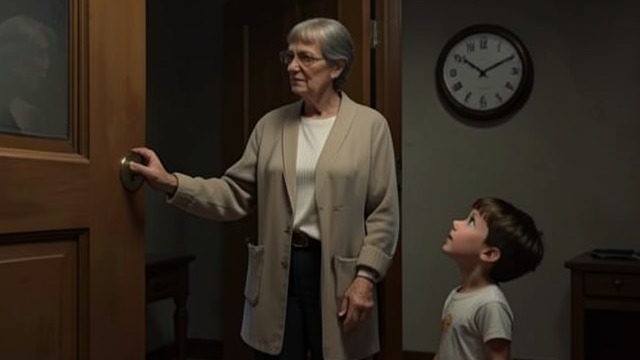
Family Time Cut Away
Relationships Counted as Waste
Mr Figaro reduces his visits to his mother and Miss Daria, believing that these hours prevent him from building a better future. Across the city, adults become too rushed to attend to children.
The losses are experienced privately, even though they arise from a widespread social doctrine. Families have less time together while being told that this sacrifice is responsible.
Leisure Optimized

Leisure Optimized
Relaxation Becomes Another Task
Time-savers try to maximize entertainment and relaxation in the shortest possible time. They avoid silence and daydreaming because these leave them alone with their dissatisfaction.
Even free time becomes subject to the logic of productivity. The result is neither rest nor delight but an anxious effort to obtain a measurable benefit from every moment.
A Bleaker City
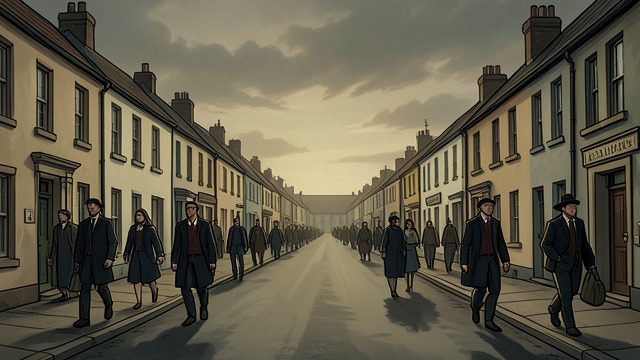
A Bleaker City
Monotony Made Permanent
Identical homes and straight streets reshape the city as residents adopt programmed daily lives. The physical landscape becomes an extension of their emotional narrowing.
People earn more and dress better, but appear tired, unfriendly, and dissatisfied. Material signs of progress coexist with a decline in human richness.
Life Becomes Spacious Again
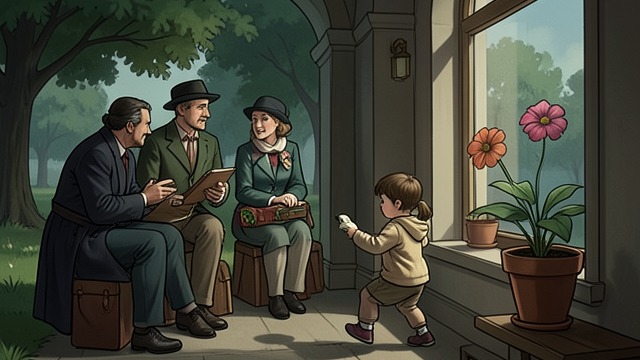
Life Becomes Spacious Again
Time for Ordinary Things
After the Gray Men vanish, people stop to talk, work carefully, tend patients, and notice birds and flowers. Everyday activities again have room to unfold at a human pace.
The ending measures recovery not by new wealth but by the return of attention. The city has more life because its residents no longer treat every hour as something to save for later.
as the time-saving movement first spreads
after Mr Figaro joins the movement
during the city's later time-saving phase
after standardized housing and routines take hold
after the hour-lilies are restored
