
Workhouse Placement and Unequal Choice
Mothering SundayThis thread traces the constrained employment choices facing workhouse children and the difference made when a placement includes real care.
increasing Bearing strength in each event
 decreasing
Bearing strength in each eventdecreasingWork as an Exit Requirement
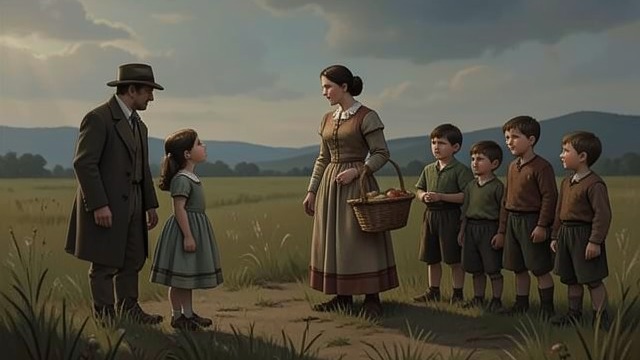
Work as an Exit Requirement
Leaving depends on placement
Older children are expected to enter employment, usually in service or on farms. They have little control over where they go and are often expected to be grateful for any opening.
Choice remains uneven
Sunday’s age and the workhouse’s procedures shape her prospects. A placement can offer freedom from the institution while still exposing a young person to a new employer’s power.
Sunday’s Placement at the Lodge
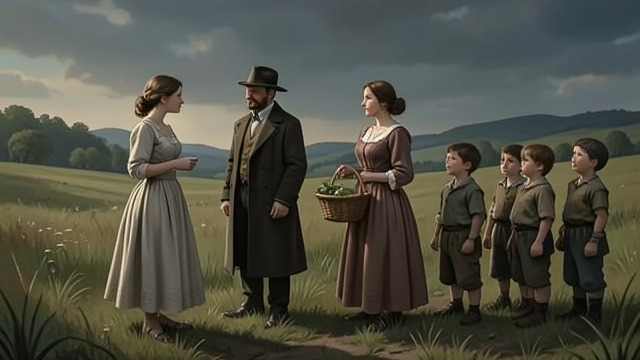
Sunday’s Placement at the Lodge
A choice is offered
Lavinia lets Sunday meet Biddy Spooner before deciding whether to accept the position. This differs from the usual practice of sending children wherever a place is available.
Work brings independence
Sunday receives a wage, board, and time to visit friends. Though she works hard, the position gives her room to develop skills and make proposals of her own.
Daisy and Tommy’s Joint Placement

Daisy and Tommy’s Joint Placement
A household need becomes opportunity
Sunday proposes that Biddy employ both siblings, with Daisy helping inside and Tommy caring for the grounds. The plan answers the lodging house’s practical needs while keeping the pair together.
A better placement, not a perfect freedom
They leave the workhouse and receive food and accommodation, but their work still depends on an employer’s goodwill. The difference is that Biddy’s household recognizes their personhood and offers protection.
Yew Tree Farm’s Failed Promise
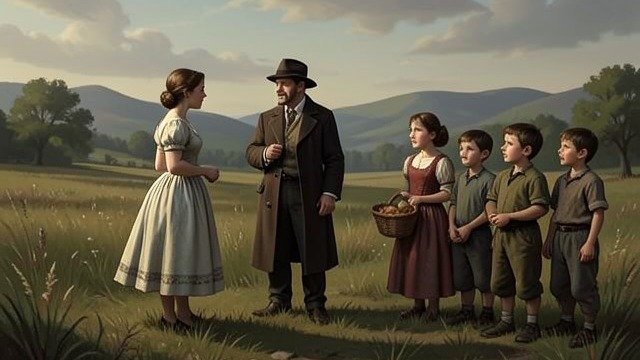
Yew Tree Farm’s Failed Promise
Work without dignity
Sunday’s placement with the Barneses involves exhausting domestic labour, poor living conditions, and harassment by Bill. Her employer’s sickroom need does not become a relationship of mutual care.
The danger of narrow choices
When Bill attempts to climb into her room, Sunday realizes that the placement is unsafe. Employment has removed her from one threat only to place her under another household’s control.
A Safer Future Chosen
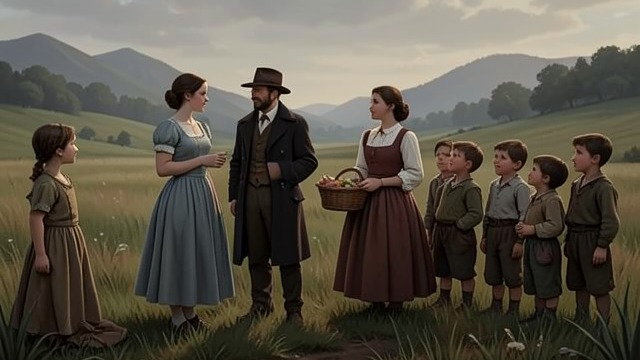
A Safer Future Chosen
Sunday leaves by choice
Sunday escapes the farm and seeks help from Tom rather than waiting for an employer or institution to act. She finds lodging and work, then continues deciding what she will do about her origins.
Care becomes a vocation
The story’s future placement is the foundling home, where children will not be sent away without regard for their safety. Sunday’s experience changes what responsible employment and refuge should mean.
1884
1884
September 1884
1886
1886
