Happily ever after
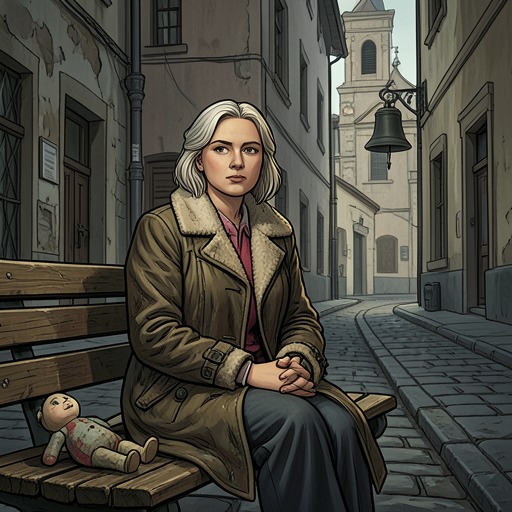
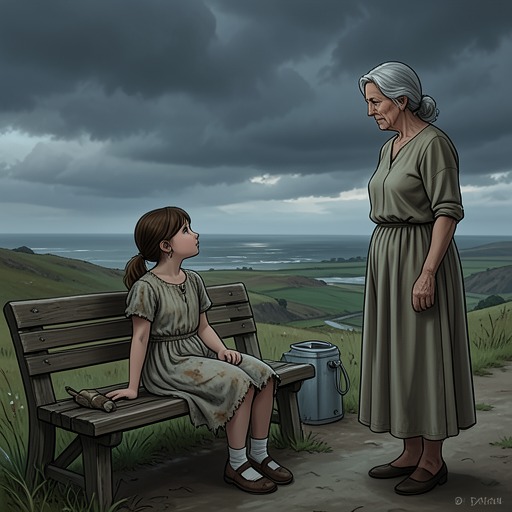
Mothering SundayHappily ever after names the redemptive ending Sunday Small once imagined when she was a child abandoned at a workhouse: her mother would return, and they would leave together for a joyful life. Across later moments of loss and uncertainty, that imagined ending becomes harder for Sunday to believe in. The expression gathers her longing for family, safety, and a home for other abandoned children, while exposing how little certainty she has that such hopes can be fulfilled.
The childhood promise and its cost
As Sunday argues with Daisy Branning about the baby Daisy does not want, she draws on her own history to explain what rejection can mean to a child. Sunday remembers pretending that her mother must have had a good reason for leaving her on the workhouse steps and might one day come back. She once imagined they would live happily ever after; now, she says, she is too old to believe in happy endings. Although she is content with Biddy Spooner, Sunday has had to accept that her mother may be dead or may simply have wanted to leave her. Her appeal to Daisy is personal as well as moral: she asks Daisy to consider how the child might feel on learning that its own mother did not want it. Daisy hangs her head in shame, but cannot change how she feels, and walks on believing there is no way out.
Loss renews the doubt
After Tommy Branning leaves, Sunday waits for the postman each day, hoping for news. As the weeks pass without a letter, her hope gives way to worry that she can only pray he is safe. In her bereavement, she remembers the childhood fantasy of her mother’s return and recognizes that the reunion will never happen. Her friendship with Daisy and Tommy had offered solace; now both have left her, and she wonders whether she will ever have anyone to call her own. The thought that a happy-ever-after ending may not be for her turns the childhood phrase into a measure of present loneliness. Sunday says she will survive and hides her feelings, but must still reconcile herself to losing another person she cared for.
Dreams deferred, not resolved
Later, Sunday considers the two dreams that have shaped her hopes: finding her mother and owning a house large enough to take in foundling children. Both seem close to dead. Marriage to Jacob appears to offer a possible route to the second dream, yet she does not love him; an instinct tells her to wait, though she cannot say what for. The expression therefore does not promise that Sunday’s life will end in uncomplicated fulfillment. It traces her shifting capacity to hope: first a child’s imagined reunion, then a doubtful question asked in the wake of separation, and finally a future left undecided while she weighs what she wants against what might merely be possible.