Measles epidemic
Mothering SundayThe Measles epidemic is a spreading illness that reaches Treetops Manor and exposes the vulnerability of its youngest residents. Its effects fall unevenly: Marigold recovers, but Stephen Huntley develops a serious chest infection and dies. Through Lavinia Huntley’s vigil, Molly’s care, and the household’s mourning, the outbreak becomes not only a medical crisis but an intimate bereavement that alters the atmosphere of the home.
The outbreak reaches Treetops Manor
On a cold November morning, Molly tells Zillah that she has been awake all night with Stephen, whose fever she cannot bring down. Marigold is feverish too, and the rash is beginning to appear on both babies. Molly fears they have caught measles from Phoebe, the daughter of Verity Lockett. The possible source gives the outbreak a specific path into the household: Lavinia had recently visited Verity to meet her newborn son, Michael Lomax, not knowing Phoebe was becoming ill. The narrative presents this connection as an unwitting exposure, not a deliberate risk.
Lavinia immediately rises and sends for the doctor. She is distressed that Molly did not summon her during the night, then hurries to the nursery, where the babies are being cared for. The contrast between urgent maternal concern and the ordinary domestic setting marks the change in the household: a visit that had been made for a happy family occasion is followed by fear for the children’s health. Lavinia blames herself for having visited, although no one knew Phoebe was sickening at the time.
Unequal illness and the vigil
Molly has spent the night sponging the babies with cool water. She explains that Stephen had had a slight cold for several days, worsened late the previous night, when the rash appeared. Marigold has the same illness but seems less severely affected. Lavinia sees the difference between the infants and knows that Stephen is in greater danger; she also reassures Molly that she has been a good nurse, rather than making her carry the blame for his decline.
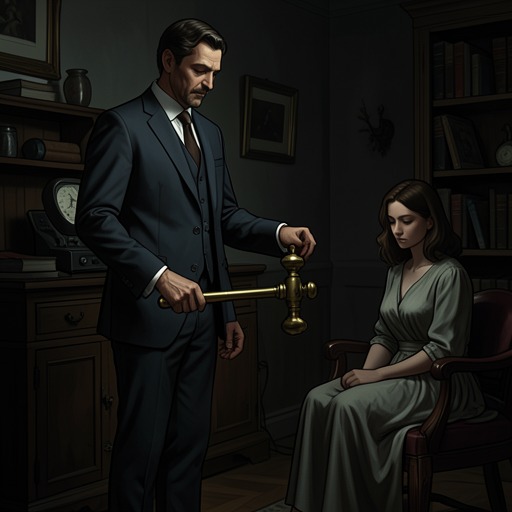
After examining both babies, the doctor says Marigold does not seem badly ill but that the infection has reached Stephen’s chest. He can offer a sleeping draught and advises continuing the cool-water sponging and trying to give Stephen small amounts of liquid. He also asks whether the children’s father is present and recommends asking him to return if he can be found. Lavinia says Ashley Huntley is still in London. The advice sets out the limited measures available to the household in the scene: nursing, attempts to ease the fever and keep Stephen hydrated, and the hope that his condition will improve.
Molly feeds Marigold, who suckles strongly. Her relative robustness sharpens Lavinia’s fear for Stephen, but Lavinia checks her resentment rather than blaming Molly’s child. She instead associates Stephen’s early birth with Ashley. As the day progresses, servants move through the house anxiously; Zillah repeatedly carries tea and food to Lavinia, who refuses them. Lavinia leaves Stephen only briefly to dress, then returns to the nursery. Molly offers to take over so she can rest, but Lavinia stays beside him, trying to give him water from a wet cloth. Meanwhile, Marigold begins to gurgle and seems to be recovering, making the difference between the two babies’ prospects increasingly stark.
Death and mourning
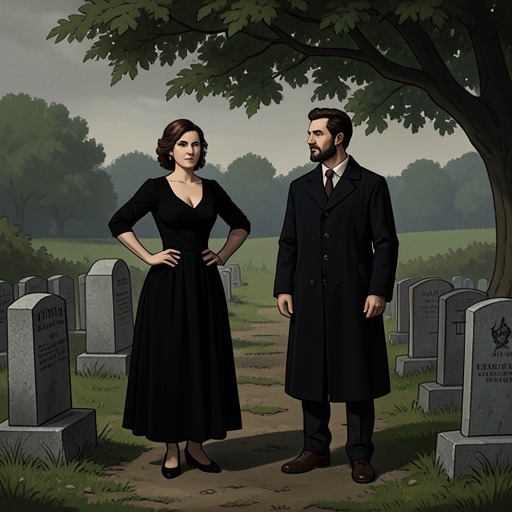
The measles epidemic has already claimed several children in the town, and the household fears that Stephen may become another victim. Verity Lockett and Edgar Lockett pray for him, while the servants’ concern reflects their affection both for the baby and for Lavinia. Those expressions of care do not prevent the outcome: Stephen dies, and a week later he is buried in Chilvers Coton churchyard. Reverend Edgar Lockett conducts the service on a dull, drizzly day. Mrs Spooner attends, while Sunday Small stays at home with Nell, who is deeply upset. Verity is especially distressed because her daughter Phoebe was the suspected source of infection; the two girls who caught measles, Phoebe and Marigold, recover, but Stephen does not.
The loss changes the sound and rhythm of Treetops Manor. The staff had grown accustomed to Molly moving between kitchen and nursery and to the babies crying for their feeds; after Stephen is taken away in his small coffin, the nursery is silent. Lavinia withdraws to her room and does not speak or venture out until the funeral, when Zillah persuades her to go. Cissie tells the cook that Lavinia sits gazing out of the window and has not cried. The absence of visible tears does not mean the loss is slight: the household sees a mother cut off from ordinary speech and movement by grief.
Narrative significance
The epidemic’s role in the story rests on its unequal outcomes and the intimate consequences of contagion. Stephen and Marigold fall ill in the same household, yet only Marigold recovers; that contrast makes the danger concrete without turning the illness into an abstract account of its spread. The narrative also follows how fear passes between people: Molly’s report brings Lavinia rushing to the nursery, the doctor’s grave assessment deepens the crisis, and the servants’ worry extends it through the house.
The outbreak joins private responsibility to circumstances the characters could not fully know or control. Lavinia reproaches herself for visiting Verity, although Phoebe’s illness was not known then, and the suspected chain of exposure is followed by the death of the child Lavinia most fears losing. The funeral and the ensuing silence carry the consequences beyond Stephen’s final illness: the epidemic leaves a lasting absence in the nursery and places Lavinia’s grief at the centre of household life.