
Silence, Zen, and Performance
Motherless BrooklynThe novel tests Zen ideals against the uses Gerard Minna and Fujisaki make of spiritual authority, while Lionel discovers that silence can signify discipline, concealment, or simple refusal.
increasing Bearing strength in each event
 decreasing
Bearing strength in each eventdecreasingThe Zendo’s Promise

The Zendo’s Promise
Practice described
Kimmery explains zazen as sustained sitting and disciplined attention rather than a quick method for comfort. Lionel listens with genuine curiosity despite his uncertainty about Buddhist ideas.
An ideal under question
The Zendo appears to offer an alternative to Brooklyn’s noise and Lionel’s restless mind. Its promise becomes complicated when the same space is linked to Frank Minna’s murder.
The Silent Roshi
The Silent Roshi
Silence as discipline
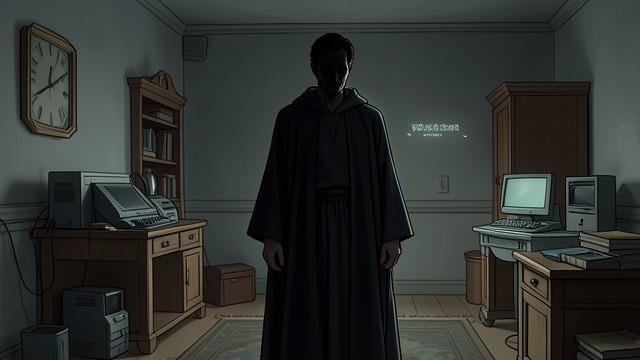
Kimmery says Roshi has taken a vow of silence during sesshin. She believes his restraint reflects sincere practice and sees him as a gentle teacher.
Silence as contradiction
Lionel has heard a voice at the Zendo discussing Frank Minna’s business. The discrepancy between Kimmery’s account and his evidence makes silence a central uncertainty rather than a guarantee of innocence.
A Lecture on False Zen
A Lecture on False Zen
Criticism from the teacher
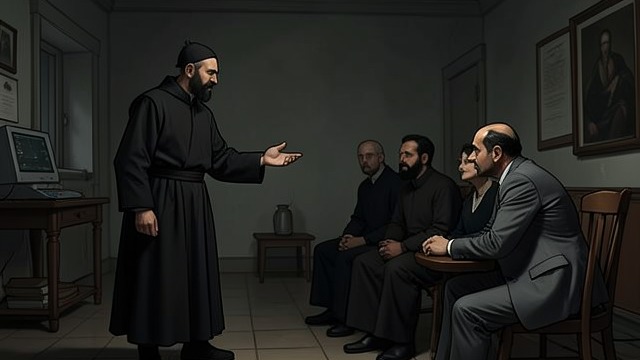
A visiting monk mocks shallow forms of practice and distinguishes disciplined sitting from self-improvement or spiritual consumption. The lecture turns the room into a debate about what counts as genuine Zen.
A contradiction in the room
The Giant Killer sits among the practitioners, while Gerard Minna’s presence links spiritual authority to violence. The lecture’s ideals cannot contain the moral facts emerging around Lionel.
Gerard’s Double Role

Gerard’s Double Role
Teacher and operator
Gerard Minna explains the financial scheme while maintaining the calm manner of a teacher. His spiritual vocabulary helps him interpret violence at a distance and present himself as detached from responsibility.
A moral conflict
Lionel sees that religious practice and worldly wrongdoing can coexist in one person. Gerard’s apparent serenity does not establish innocence; it makes his choices more difficult to read.
The Quiet Steward

The Quiet Steward
A gentler authority
Wallace takes over the remaining Yorkville Zendo community but refuses the title of Roshi. His modest choice contrasts with Gerard Minna’s charismatic control.
Ideals without certainty
The Zendo persists after its founder disappears, suggesting that practice need not depend on one leader. The community remains imperfect, but it has a chance to continue without being used as Gerard’s personal instrument.
During Lionel’s first morning visit
During the five days before the murder
During the evening sitting after the murder
During Lionel’s confrontation upstairs
After Gerard’s disappearance
