
Edwina’s Departure from the House of Memory
MovingThis flow traces Edwina’s decision to leave her decaying family home, the memories that surface as she prepares it for sale, and the possibility of repairing her estrangement from Rowena.
increasing Bearing strength in each event
 decreasing
Bearing strength in each eventdecreasingThe House Turns Against Her
The House Turns Against Her
A decision made in solitude
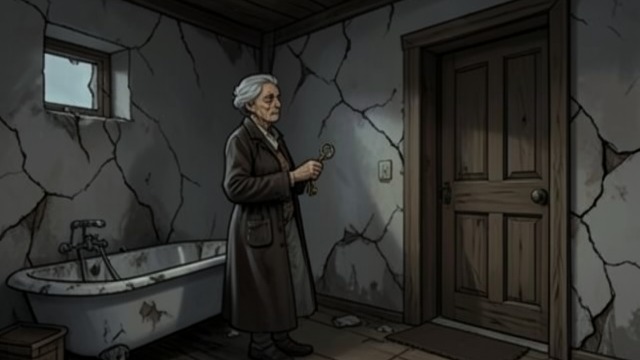
At nearly seventy-eight, Edwina sees the deterioration of her body reflected in the cracked bath, failing radiators, mildew, and woodworm of 137 Kennington Road. The house that once sheltered her family has become too difficult and dangerous for her to manage alone.
The weight of a lifetime
Much of the home lies unused, but every room carries memories of the people who have died or left. Edwina recognizes that staying means remaining imprisoned in that accumulated past, and decides to sell rather than continue defending a life that is already over.
The Rooms Reopen the Past
The Rooms Reopen the Past
A guided tour becomes a reckoning
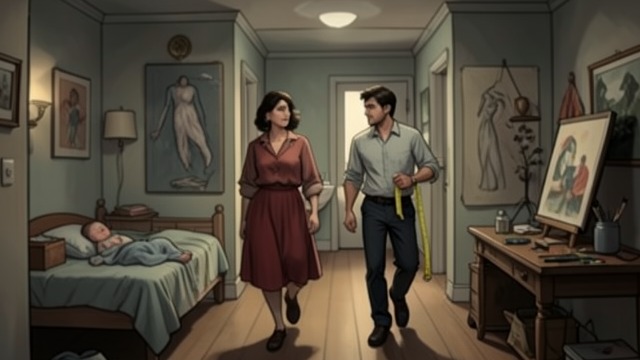
As Edwina accompanies the young estate agent through the house, each room releases a different period of her life: the nursery recalls the unexpected birth of Rowena and Charlie, the bathroom returns her to Ollie’s death, and the studio recalls the work that once supported her family.
Memory complicates the sale
The estate agent sees dimensions and renovation potential, while Edwina sees the human history embedded in the walls. Her memories include tenderness, shame, grief, and choices she now questions, so the practical task of valuing the property becomes a private confrontation with the life she is preparing to leave.
The Last Box to Open
The Last Box to Open
Clearing becomes an act of memory
Edwina begins sorting her possessions but finds that ordinary objects lead back into unresolved family history. Her children’s school things, her husband’s papers, and the relics of her artistic life make it impossible to treat the house as a simple accumulation of unwanted belongings.
Charlie’s trunk yields a clue
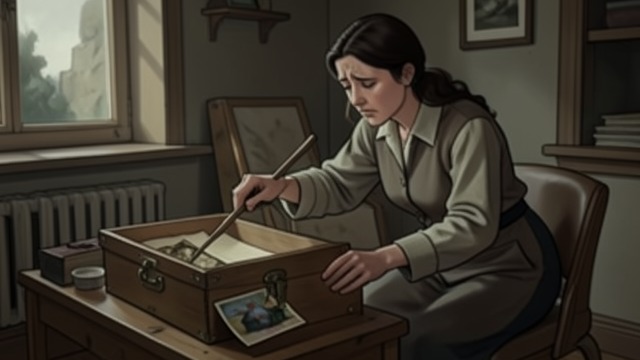
A faded Polaroid prompts Edwina to recognize the dates that can open Charlie’s locked trunk. Inside his portfolio she finds an old drawing of Fern, an image that reaches beyond the house and into another person’s past. The discovery redirects her attention from disposing of objects toward understanding what happened to the people connected to them.
The Keepsakes Come Home
The Keepsakes Come Home
An unexpected return
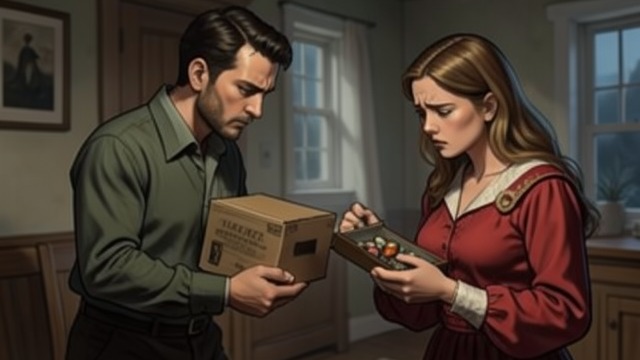
Lucas comes to 137 Kennington Road carrying the remains of a stolen jewelry box. He tells Edwina that he arranged the old burglary to pay a school gambling debt, giving the thieves access to the house and leaving his stepfamily to live with the consequences.
A truth with limited power
The box contains a few intimate keepsakes that Lucas could not bring himself to discard, although most of its contents were sold years earlier. Edwina is devastated by the confession, but his return and honesty allow a long-hidden wrong to be named at last; neither apology nor restitution can restore the lost years or bring Charlie back.
A Journey Becomes Possible
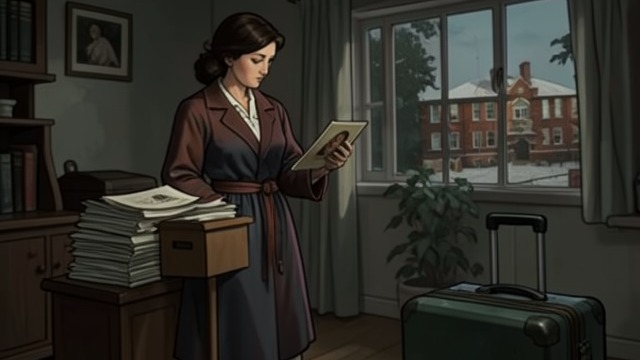
A Journey Becomes Possible
Looking again at the family
Left alone with the returned keepsakes and Rowena’s letters, Edwina recognizes how her grief led her to blame her daughter for Charlie’s death. She cannot undo the estrangement, but she begins to see that Rowena, too, suffered and made choices under the pressure of loss.
A future beyond Kennington
Edwina has arranged travel to Australia and now has the photographs and small relics she wants to take with her. The house remains a repository of pain, but it no longer has to be the only place where her family’s story can continue. Her planned reunion with Rowena makes moving an opening toward reconciliation rather than merely an escape.
2015, before the first estate-agent visit
The Friday valuation visit, 2015
After the estate agent’s valuation, in 2015
After Lucas arrives in London in 2015
After Lucas leaves the house, near the novel’s ending
