
The House Turns Against Edwina
MovingThis flow traces how the failing house forces Edwina to confront the past, yet turns the decision to move into a struggle over what she can bear to release.
increasing Bearing strength in each event
 decreasing
Bearing strength in each eventdecreasingThe House Signals Decline
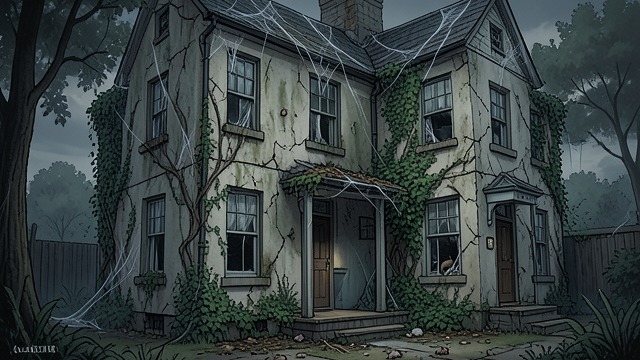
The House Signals Decline
A failing home
The Georgian house has become difficult and dangerous for Edwina to manage alone. After her cataract operation, she sees the cobwebs, mouse droppings, mildew, and woodworm that had accumulated beyond her notice. Cracks, cold rooms, and overgrown ivy make the building feel less like a shelter than an adversary.
A decision taking shape
Edwina reads these signs as a demand to leave. Its stairs and unused rooms are more than physical hazards: they bind her to memories she has spent years avoiding. Selling could mean giving up her home, but it also offers a way to stop living as a prisoner of what happened there. The conflict begins as a practical question and opens into a reckoning with her past.
The Sale Becomes Real
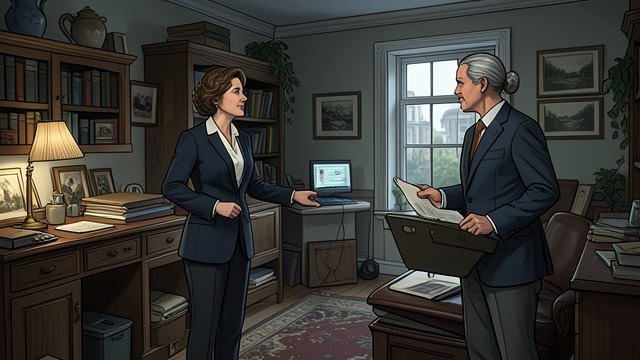
The Sale Becomes Real
An outside verdict
Edwina arranges for an estate agent to value the house and leads him from room to room. Through his professional eyes, she sees its clutter and decay recast as a property with potential. His measurements and brisk assessments contrast with her memories, which make each bedroom, staircase, and object part of an intimate family history.
A price and a destination
The valuation is two million pounds, a sum that turns her private decision into a consequential transaction. Edwina signs the papers, while imagining a quieter life in Cornwall, with painting and perhaps a small dog. Yet the prospect of leaving is already complicated: she must decide where to go, what to keep, and whether she can bear to sort the house without letting its history overwhelm her.
Memories Resist Culling
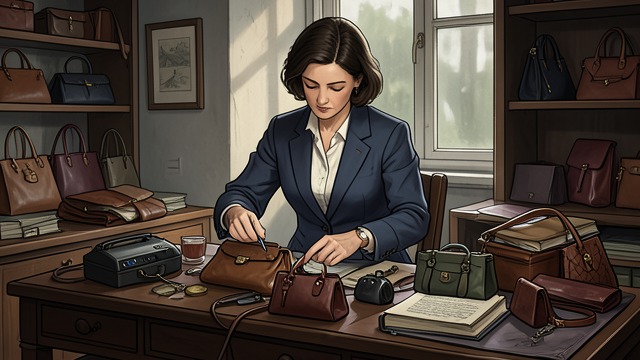
Memories Resist Culling
The task of discarding
Edwina sets herself a daily allowance of sorting and begins with her possessions, including her many handbags. Each item brings back a relationship, a version of herself, or a moment she thought she had put away. She wants a smaller, simpler life, but the objects make clear that clearing a house is not merely a matter of choosing what is useful.
The past intrudes
As she sorts, Edwina’s memories turn toward Charlie, the school abuse scandal, and the decisions that left him vulnerable. She also revisits her own lost ambitions and the life she built after Ollie’s death. The practical work repeatedly becomes an emotional confrontation: to move, she must decide what she can carry forward without confusing remembrance with possession.
The Trunk Must Open
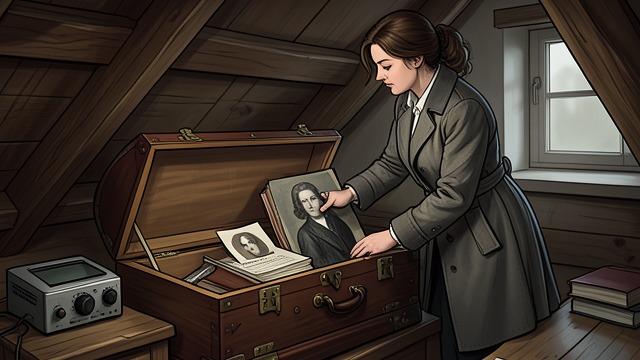
The Trunk Must Open
An unfinished secret
Among the attic’s stored objects, Charlie’s school trunk resists Edwina’s attempt to declutter. She comes to believe she cannot discard it without learning what it contains. Its locked lid makes the past feel materially present: the trunk has outlasted the explanations and conversations that might have helped her understand her son.
The combination yields
Recalling the twins’ twenty-first birthday and the numbers associated with their birth dates, Edwina works out the combination. Inside she finds Charlie’s art-school portfolio and an old portrait of a young woman. The discovery interrupts the planned work of clearing and opens a new line of inquiry. Instead of simply deciding what belongs in her next home, Edwina must face the possibility that an object preserved for decades may still alter what she knows.
A Future Beyond Number 137
A Future Beyond Number 137
An unexpected return
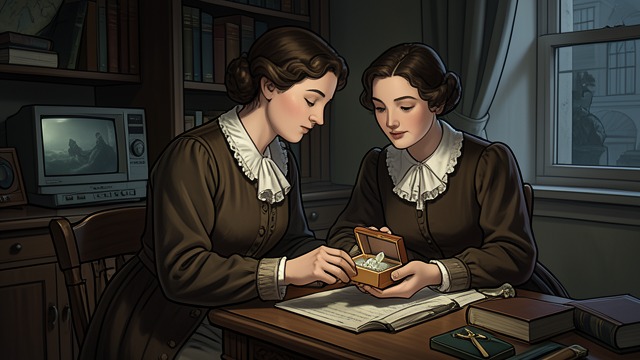
After Lucas returns Edwina’s long-missing jewellery box and admits his part in its theft, Edwina begins to see her family’s history differently. The house remains full of painful memories, but the visit shows that its past is not entirely fixed: a former conflict can be spoken about, and a keepsake can be restored.
Leaving without erasing
Edwina prepares for Australia and the possibility of reunion with Rowena. She adds the recovered photograph, rings, teeth, and lock of hair to her travel checklist. Selling the house no longer means abandoning every connection that gave it meaning. The conflict shifts from whether she can escape the past to whether she can carry chosen memories into a different life.
2015, before the estate-agent visit
The Friday valuation visit in 2015
The week after the valuation
March 1981 remembered during the attic clear-out
Near the novel’s ending, after Lucas’s visit
