
Lucas Faces the Consequences
MovingThis flow follows Lucas from the childhood conflicts that foster his resentment through a criminal betrayal, decades of guilt, and a late effort to repair what he can.
increasing Bearing strength in each event
 decreasing
Bearing strength in each eventdecreasingA Child Between Two Homes
A Child Between Two Homes
A divided home life
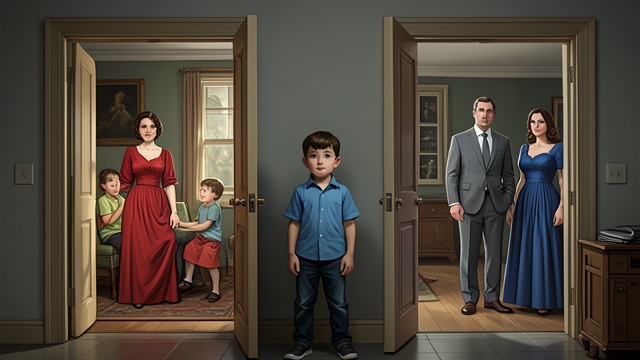
After Dickie leaves Barbara for Edwina, Lucas is carried between River Walk and Kennington Road. He misses his father when he is with his mother and feels displaced when he visits his father’s new family. The twins already share a home and a history, while Lucas feels that his place in either household has become uncertain.
Resentment takes root
Lucas experiences his stepfamily’s intimacy as exclusion and reads Edwina’s different manners and values as evidence that he does not belong. His father’s wish that everyone get along leaves little space for Lucas to express anger without seeming ungrateful. The conflict develops from a child’s fear of losing a parent into a persistent sense that he has been given less than the family he had before.
The Trunks Make the Rivalry Visible
The Trunks Make the Rivalry Visible
A symbol of equal claims
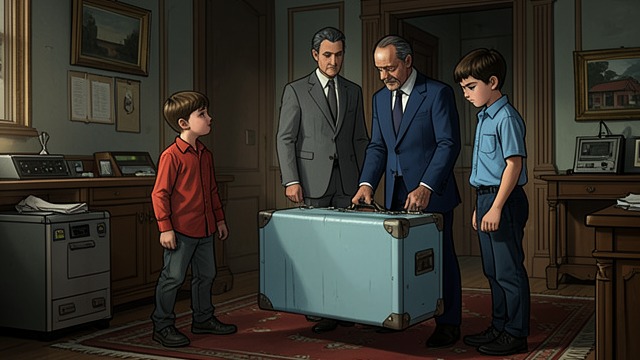
Lucas watches Charlie arrive at Wyebourne with a new pale-blue trunk closely resembling his own burgundy one. He takes the matching luggage as proof that Dickie regards Charlie as equal to his only son. In Lucas’s eyes, the object makes an intimate family change publicly visible at the school where he hoped to build an identity of his own.
Jealousy shapes judgment
Lucas already feels inferior to the twins and resents Charlie’s easy talent and presence. When Charlie later tells him that Mr Robbins assaulted him, Lucas refuses to believe him and calls him a liar. His response shows the cost of rivalry: Lucas protects the identity of his father’s old schoolfriend rather than listening to a vulnerable boy asking for help.
A Theft Bought with Trust
A Theft Bought with Trust
A crisis hidden from the family
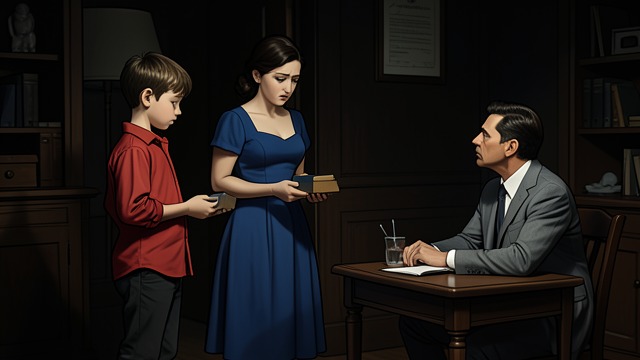
Years after the burglary at Edwina’s home, Lucas remembers that he arranged it to repay a gambling debt. He gave others access to the house and information about when it would be empty. The theft included Edwina’s jewellery box, whose missing contents she had treasured as a record of her family.
A secret becomes a lasting wound
Lucas does not confess. His silence allows suspicion to settle elsewhere and leaves Edwina with the loss of possessions she cannot replace. The crime is not an isolated act of youthful panic: by concealing it, Lucas makes future reconciliation more difficult and adds a private wrong to the resentment already dividing the two households.
The Witness Becomes an Accuser
The Witness Becomes an Accuser
From observation to testimony
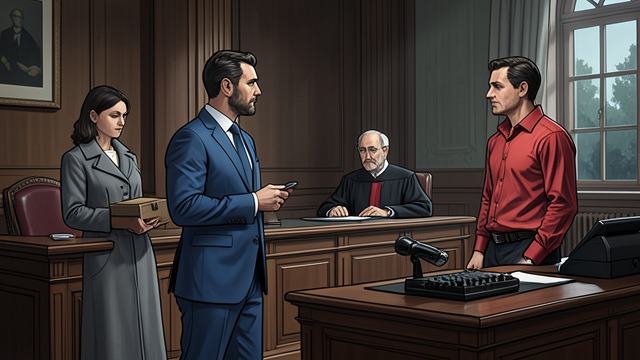
After Elise dies, Lucas tells Barbara that Charlie supplied her with drugs. At the inquest he repeats his account in court, identifying Charlie as his stepbrother and saying he saw an exchange. Charlie is convicted and sent to prison; Lucas’s statement has helped decide the direction of the case.
Certainty cannot quiet guilt
Lucas’s testimony does not bring Elise back or restore his relationship with Dickie’s family. He later replays the journey, the party, and his decision to leave Elise, wondering how much responsibility belongs to each person in the chain. His anger toward Charlie and the criminal verdict coexist with a sense of personal culpability that he cannot simply argue away.
Confession Opens a Door
Confession Opens a Door
A secret recovered
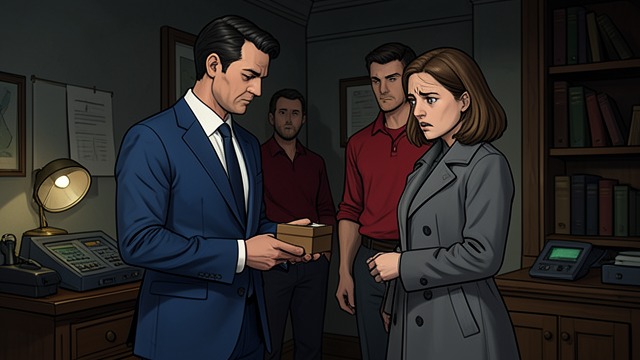
When Barbara’s declining health brings Lucas back to London, he opens his old trunk and finds Edwina’s jewellery box. The surviving family keepsakes make his concealment concrete. He takes the box to Edwina, explains that he arranged the burglary, and admits that his silence let the loss endure for decades.
A limited repair
Edwina is shaken but thanks Lucas for returning the box. The recovered items cannot restore Charlie, undo the trial, or erase the years of estrangement. Still, Lucas has finally told the truth about a wrong that was his to confess. That limited act does not settle every family conflict, but it allows both of them to leave the encounter with a clearer account of what happened.
From Lucas’s age ten, after Dickie leaves Barbara
Lucas’s first term at Wyebourne, when Charlie joins the school
During Lucas’s sixth form, after the burglary at 137 Kennington Road
1981, after Elise’s death and at the ensuing trial
2015, during Lucas’s return to London
