
Twins, Kinship, and Uncertain Origins
MovingThis flow follows the novel’s repeated images of twins and divided family bonds, from an unexpected birth to a final pregnancy, while keeping the unresolved question of Sophie’s paternity distinct from the bonds her family chooses to sustain.
increasing Bearing strength in each event
 decreasing
Bearing strength in each eventdecreasingTwo Babies in One Night
Two Babies in One Night
An unexpected second child
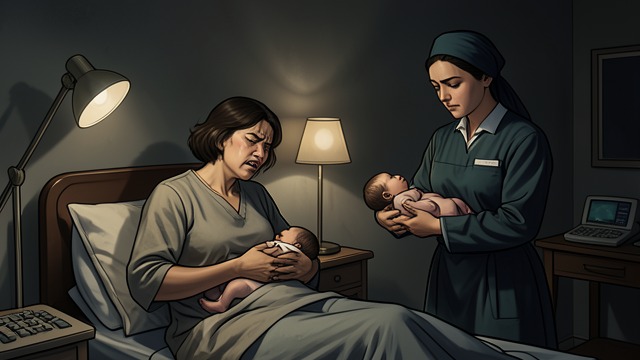
Edwina expects one baby when she goes into labor at home, but after Rowena is born, the midwife discovers that another child is still to come. Charlie arrives smaller and more fragile, transforming what the parents thought would be a single birth into the beginning of a twin relationship.
The children’s different birth dates become an enduring family detail: Rowena is born shortly before midnight and Charlie after it. Their parents turn that difference into an arrangement for alternating birthday celebrations, giving their unexpected beginning a ritual of its own.
Kinship imagined as protection
Edwina believes the twins will never have to be lonely because they will always have each other. This hope becomes part of how she understands their closeness, even as their personalities and needs develop differently.
The twins’ shared origin does not make them interchangeable. The book treats twinship as a deep connection that can offer companionship while also leaving each child with a distinct life and vulnerability.
A Bond That Cannot Prevent Loss
A Bond That Cannot Prevent Loss
Growing up together, separating in practice
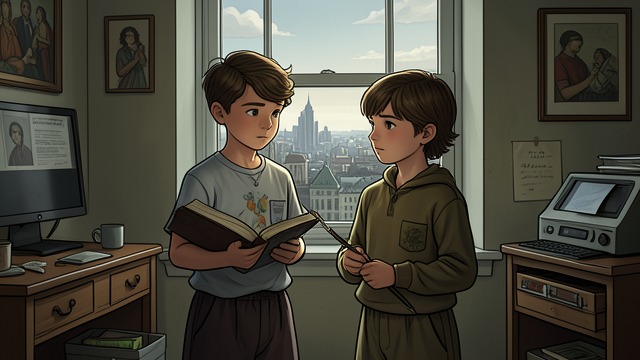
Rowena and Charlie begin life side by side, but their paths become markedly different as they grow. Rowena’s academic strengths and private struggles contrast with Charlie’s artistic promise, restlessness, and difficulties at school; their closeness is repeatedly shaped by the households and institutions around them.
Their history includes both companionship and periods of painful distance. When Charlie’s life later deteriorates, Rowena tries to help him, and Edwina invests hope in the idea that his twin may reach him where others cannot.
The limits of a shared beginning
Charlie dies in Thailand after Rowena has returned to Australia. Edwina blames her daughter for leaving, treating twinship as though it should have given Rowena the power to prevent her brother’s death.
That expectation mistakes intimacy for control. Rowena’s bond with Charlie is profound, but it cannot remove his agency or guarantee his survival. Edwina’s eventual recognition of this helps her understand that the relationship was not a promise that one twin could save the other.
A Possible Father in the Past
A Possible Father in the Past
Two relationships, one concealed uncertainty
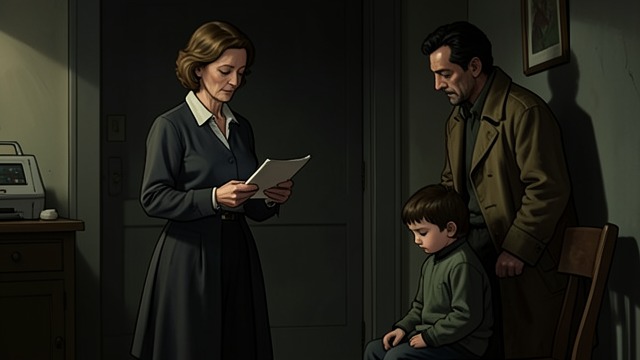
Fern discovers she is pregnant after a period in which she has been involved with both James and Charlie. She marries James and presents the future as settled, while the possibility that Charlie may have fathered the baby remains unspoken and unresolved.
The narrative does not convert uncertainty into proof. Fern’s later life unfolds within her marriage, and Lucas can only speculate about whether James knew or whether Sophie might be Charlie’s daughter. The question matters because it exposes the gap between a family’s public story and what its members may privately suspect.
Love defined beyond certainty
Sophie grows up loved by Fern and James, and the available account of her life does not depend on resolving her biological parentage. The possibility of uncertain paternity therefore complicates family identity without diminishing the care that forms her home.
The novel refuses an easy reveal that would make genetics the final authority on belonging. Instead, Sophie’s place in the family is sustained by the people who raise and cherish her, even as the question remains present in the reader’s understanding of the past.
The Final Echo of Twinship
The Final Echo of Twinship
A question at the next generation
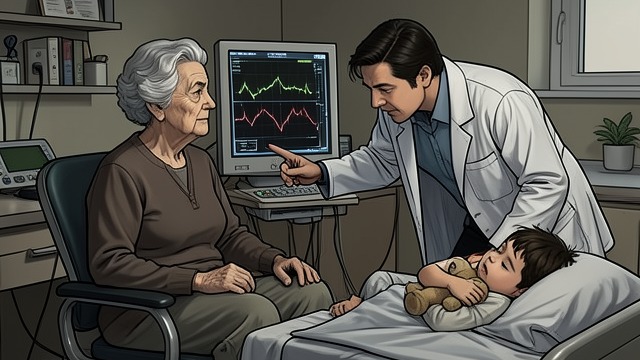
At the end of the book, Sophie’s ultrasound reveals two separate heartbeats. Fern, now a grandmother, hears the doctor ask about twins in the family and sees the image of a new pair of children on the screen.
The discovery echoes the unexpected twin birth that began Edwina’s family story. What was once a startling event becomes a pattern the next generation may encounter, linking generations without determining that they will repeat the same lives.
Repetition without a fixed destiny
The final image does not promise that these new twins will share Rowena and Charlie’s history. It leaves their future open, even as the image makes kinship and inheritance newly visible to Fern and Sophie.
By ending on two heartbeats that are separate but together, the book returns to twinship as both connection and uncertainty. The family’s past can shape what the present recognizes, but it cannot dictate what the next generation will become.
Family Beyond Biological Certainty
Family Beyond Biological Certainty
Different kinds of family connection
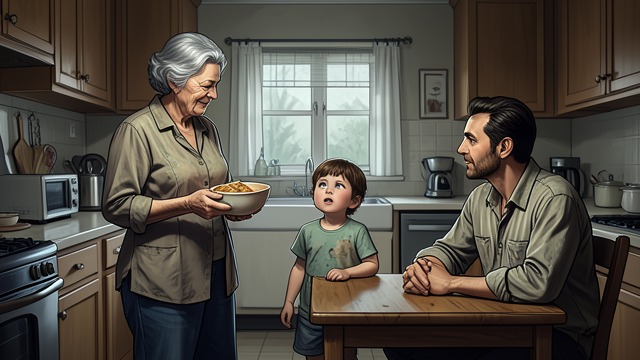
The novel repeatedly distinguishes biological ties from the bonds formed through care, marriage, and shared history. Lucas grows up divided between his parents’ households; the twins’ bond is shaped by shared birth and separate temperaments; Alicia becomes essential to Edwina’s family without sharing its blood.
Sophie’s uncertain paternity sharpens the same question from another direction. Her biological origins may be ambiguous, but the adults who raise her give her a stable place in a family, demonstrating that kinship is experienced through sustained care as well as inherited resemblance.
Recognition rather than a simple answer
The final reunion possibility between Edwina and Rowena rests on a relationship that has been damaged but not extinguished. Their connection is not restored by biology alone; it depends on letters, memory, willingness, and Edwina’s decision to answer an invitation.
Across these stories, blood can bind people strongly, but it does not guarantee closeness or absolution. The novel leaves family as a combination of inheritance and choice: people are shaped by where they come from, yet their later acts can reopen or refuse the bonds they share.
March 1960, at the twins’ home birth
From the twins’ childhood through Charlie’s death
Fern’s pregnancy and the birth of Sophie, 1981
Sophie’s ultrasound, near the ending
Near the ending, as generations converge
