
Doris Kilman’s Exclusion and Faith
Mrs DallowayThis flow traces Doris Kilman’s experience of social injury, religious conversion, attachment to Elizabeth, and renewed conflict with her own desires.
increasing Bearing strength in each event
 decreasing
Bearing strength in each eventdecreasingProfessional Exclusion

Professional Exclusion
Loss of position
Doris Kilman loses her teaching post after refusing to echo anti-German sentiment. Her German connections and the death of her brother deepen the injustice she feels.
Poverty endured
She must accept work from wealthier families, including the Dalloways. Material dependence sharpens her sense that society has denied her the life she deserved.
Religious Conversion
Religious Conversion
A church offers relief
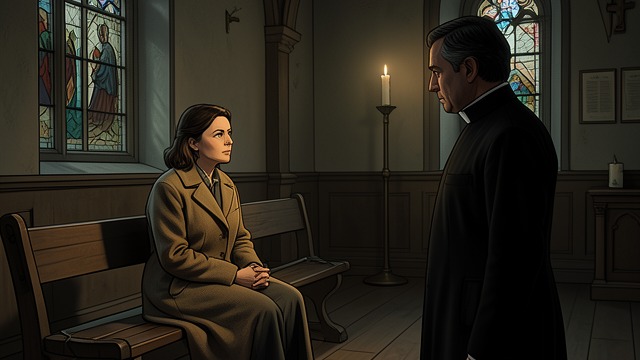
After hearing the Reverend Edward Whittaker preach, Kilman experiences a religious conversion. Prayer and belief temporarily quiet her anger and give her suffering a larger explanation.
Relief with a cost
Faith offers consolation but does not erase envy or loneliness. Kilman’s conviction can become a means of judging others as well as a refuge from pain.
Attachment to Elizabeth

Attachment to Elizabeth
Teaching becomes closeness
Kilman teaches Elizabeth history and invites her into religious and political discussions. She hopes the young woman will value learning and possibilities beyond the privileged life around her.
Need complicates care
Kilman’s affection is sincere, yet Elizabeth’s beauty and youth become objects of longing and possession. The teacher’s desire to help is entangled with her own unmet emotional needs.
The Failed Claim

The Failed Claim
A request to stay
Kilman asks Elizabeth not to forget her and tries to keep her from returning to the party. Her admission of unhappiness exposes the loneliness behind her sternness.
A painful departure
Elizabeth leaves, and Kilman feels the loss as a defeat. The episode shows how her search for attachment becomes self-defeating when it asks another person for exclusive loyalty.
Prayer and Recurrent Anger

Prayer and Recurrent Anger
Seeking control
Kilman turns toward prayer and thinks about suffering, the body, and the injustices that have shaped her life. Her faith offers discipline without immediate peace.
An unresolved self
She remains caught between compassion and resentment, spiritual aspiration and bodily desire. Her day ends without reconciliation with Clarissa or freedom from the loneliness that drives her.
During the war
Two years and three months before the present day
Before the day’s shopping trip
During afternoon tea
After leaving the department store
