
The War’s Aftermath
Mrs DallowayThis flow traces how the ended First World War continues to shape Septimus Warren Smith, his marriage, and the people who fail to recognize his trauma.
increasing Bearing strength in each event
 decreasing
Bearing strength in each eventdecreasingThe Volunteer’s Ideal
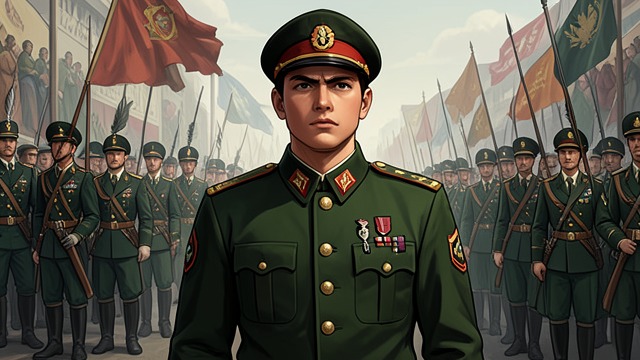
The Volunteer’s Ideal
A literary England
Septimus volunteers because he imagines defending a country formed by Shakespeare and cultural inheritance. He enters service with idealism as well as youthful ambition.
The promise of transformation
The army rewards his discipline and promotes him. The qualities that appear to prepare him for adulthood also help conceal the damage accumulating within him.
A Friend Is Killed
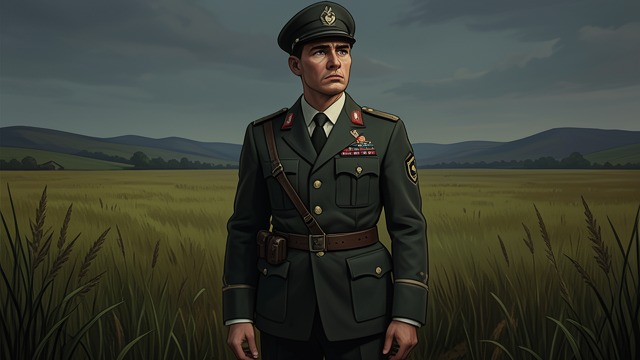
A Friend Is Killed
Loss at the front
Evans, Septimus’s officer and close companion, is killed shortly before the Armistice. The loss ends a shared wartime world that Septimus has learned to treat as ordinary.
Numbness mistaken for strength
Septimus feels little and congratulates himself on his composure. His lack of immediate grief later becomes a source of guilt and recurring visions.
The Silence of Peace
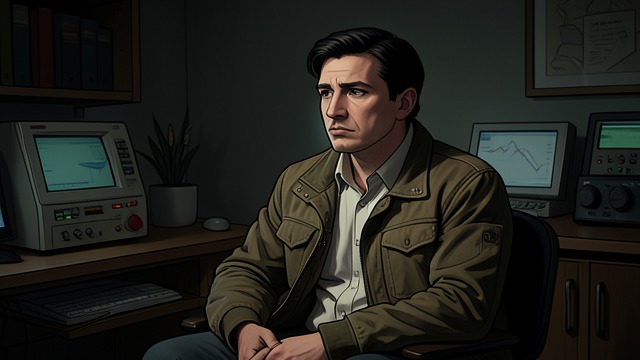
The Silence of Peace
Return without relief
With the fighting ended, Septimus discovers that he cannot feel as he once did. Ordinary pleasures, conversation, and literary works lose their former power.
War inside the home
Lucrezia sees the change, while others around the couple treat his symptoms as temporary or voluntary. The conflict shifts from battlefield violence to domestic isolation.
The Doctors’ Misreading
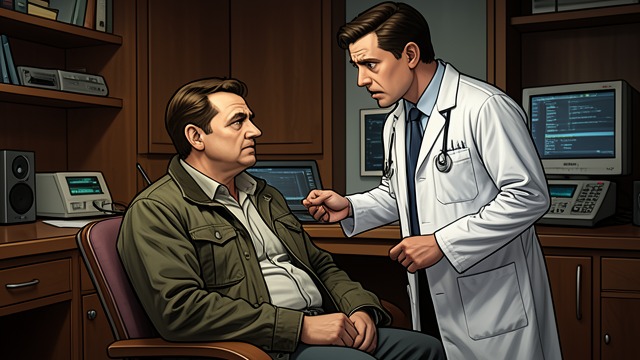
The Doctors’ Misreading
Symptoms reduced
Dr. Holmes dismisses Septimus’s distress, and Sir William Bradshaw later interprets his experience through authoritative categories. Neither response gives meaningful weight to the war’s emotional consequences.
Trauma becomes conflict
Septimus increasingly sees doctors as agents of persecution. Their attempts to control him intensify the very fear they claim to treat.
A Death in the Party’s Shadow
A Death in the Party’s Shadow
The war’s private cost
Clarissa Dalloway hears that a young veteran has died by suicide. The news connects public celebration and social authority to a suffering they have not adequately seen.
Memory made immediate
The war is officially over, but its damage remains active in bodies and relationships. Septimus’s death makes the aftermath impossible to dismiss as history.
At the beginning of the war
Shortly before the Armistice
After the Armistice
In the weeks before the present day
That evening
