
Death and the Continuation of Life
Mrs DallowayThis flow traces the novel’s confrontation with death through bereavement, fear of extinction, and the fragile persistence of living connections.
increasing Bearing strength in each event
 decreasing
Bearing strength in each eventdecreasingThe Sister’s Death
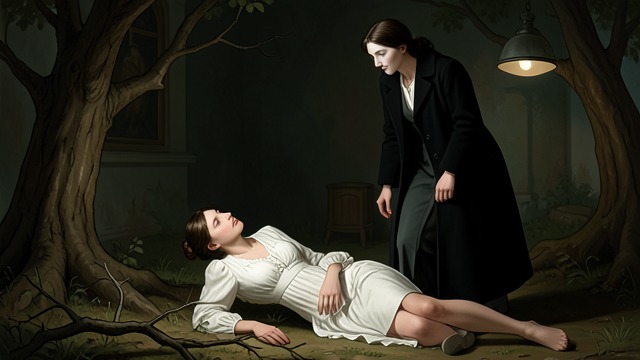
The Sister’s Death
A sudden loss
Sylvia Parry is killed by a falling tree while Clarissa is still young. The suddenness of the accident leaves Clarissa with a lasting awareness of life’s vulnerability.
Meaning after catastrophe
Clarissa later resists easy explanations that assign blame or divine purpose. The loss contributes to her skeptical ethic of valuing everyday goodness while it remains possible.
Clarissa’s Fear of Ending
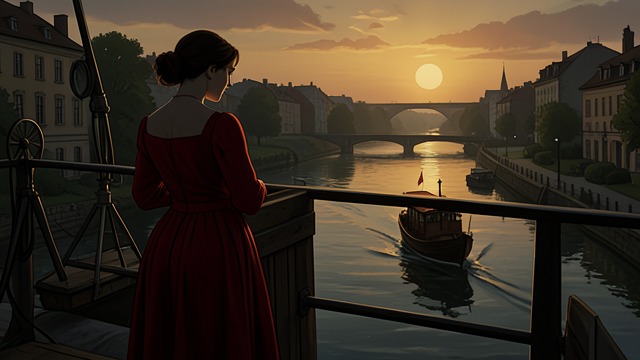
Clarissa’s Fear of Ending
Mortality imagined
Clarissa wonders whether death ends the self completely and whether the world continues without noticing. The question unsettles her even as she remains absorbed by the present city.
A form of survival
She imagines that people persist in places, memories, and the lives they have touched. This belief offers consolation without requiring conventional religious faith.
Septimus’s Messages
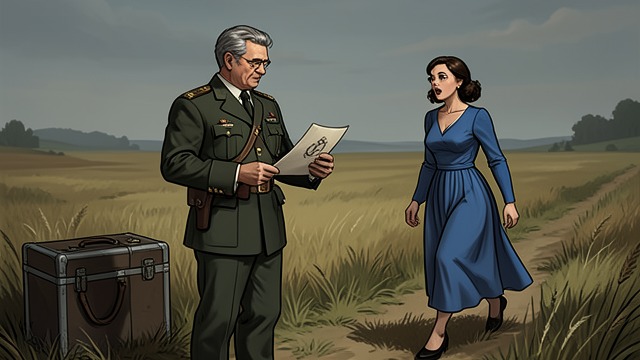
Septimus’s Messages
Death interpreted
Septimus believes that there is no death and that the dead can communicate through signs. The conviction gives shape to his experience of Evans’s loss.
Revelation and danger
His belief brings moments of beauty but also fear and disorientation. The novel treats the meaning in his experience seriously without denying the danger of his illness.
A Veteran Dies
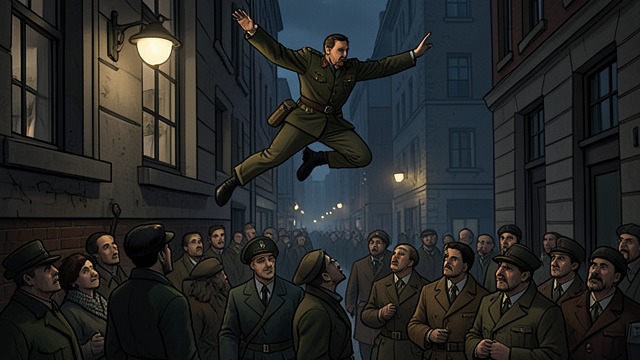
A Veteran Dies
The final act
Septimus leaps from a window while trying to escape the doctors’ control. His death follows years of trauma and a day in which his attempts to communicate have repeatedly failed.
Loss enters society
The news travels to Clarissa’s party, carrying private suffering into a public gathering. His death becomes a challenge to the society that treated him as a problem to manage.
Life After the News
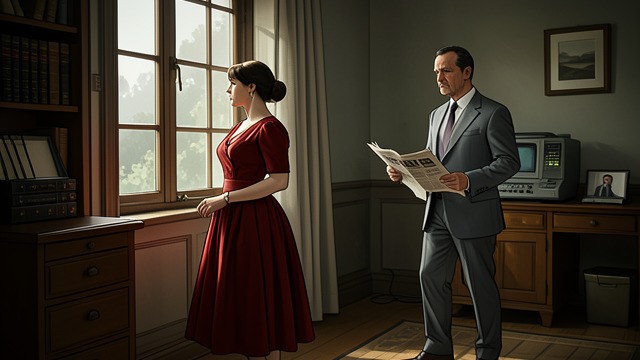
Life After the News
Clarissa withdraws
Clarissa leaves the party briefly to consider the young man’s death. She imagines his act as a refusal to let other people possess the self entirely.
Return to the living
She comes back to the guests and searches again for Sally and Peter. The return does not undo death; it affirms the continuing demands of human company.
Years before the present day
During the morning walk
Around midday
Late afternoon
Late evening
