
The Limits of Proportion
Mrs DallowayThis flow traces Sir William Bradshaw’s doctrine of proportion as a tool of social authority, and the human suffering concealed by its promise of order.
increasing Bearing strength in each event
 decreasing
Bearing strength in each eventdecreasingA Doctrine of Health
A Doctrine of Health
Order as ideal
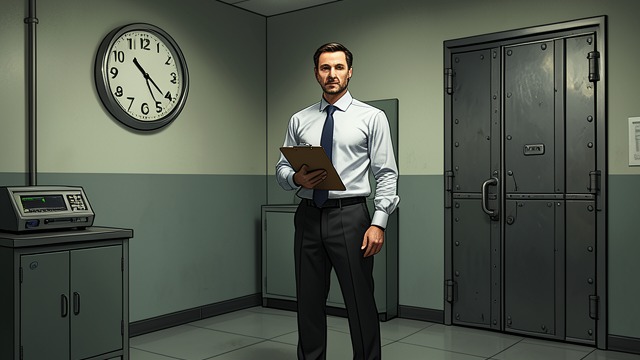
Sir William Bradshaw believes that health depends upon proportion, discipline, and managed routine. His professional success gives this ideal the force of common sense.
A norm imposed
The principle is not neutral when used to decide which lives and feelings count as acceptable. Its language can turn difference into a defect requiring correction.
The Patient Classified
The Patient Classified
A case replaces a person
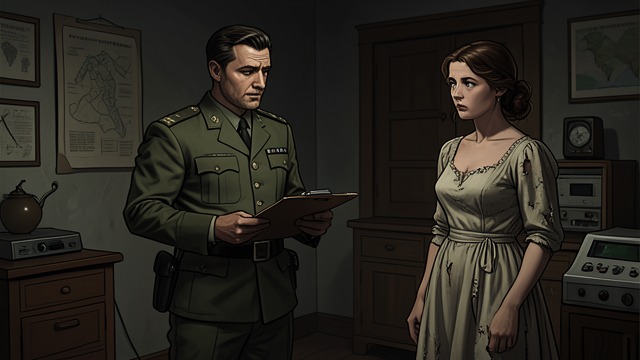
Bradshaw rapidly categorizes Septimus as gravely ill and interprets his language as symptomatic. His assessment gives little room to the veteran’s own account of what he experiences.
Authority under strain
The doctor’s certainty reassures the medical establishment but frightens Lucrezia and alienates Septimus. Proportion becomes a tool of judgment rather than an invitation to understand.
Rest as Command
Rest as Command
Treatment by separation
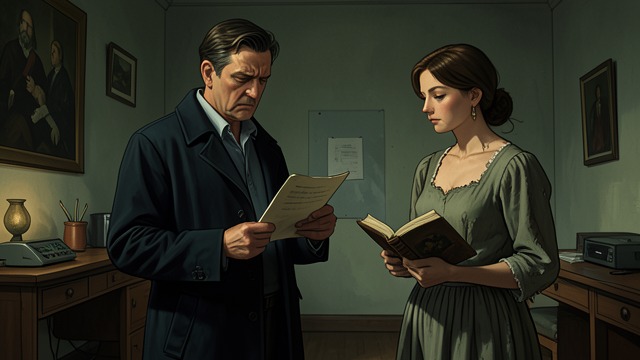
Bradshaw orders Septimus to rest away from his wife, friends, books, and ordinary messages. The cure depends on removing the relationships that give Septimus some connection to life.
Calm language, coercive effect
The order is delivered politely, as a responsible necessity. Its manner obscures the degree of control it imposes on a patient already afraid of being dominated.
Lady Bradshaw’s Retreat
Lady Bradshaw’s Retreat
Will gradually diminished
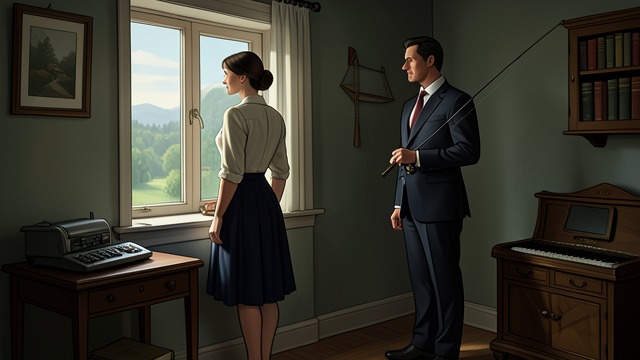
Lady Bradshaw once had more independent interests, including fishing and photography, but her life has narrowed around her husband’s needs. The change occurs without one dramatic confrontation.
Proportion at home
Her experience shows that coercive power can work through ordinary domestic expectations as well as medical institutions. Order may be preserved at the cost of another person’s freedom.
A System Questioned
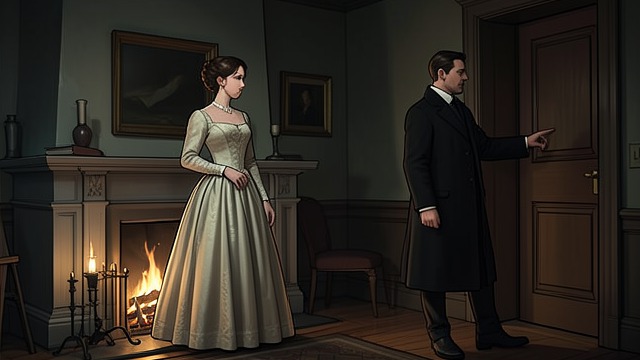
A System Questioned
News reaches Clarissa
Clarissa learns that a young man under Bradshaw’s care has died by suicide. The doctor’s polished reputation now sits beside an outcome his principles cannot comfortably explain.
The cost of normalization
The novel places proportion against the suffering of those it disciplines. Clarissa’s response does not offer a policy, but it recognizes that enforced normality can make life intolerable.
Before Septimus’s consultation
At noon on Harley Street
At the end of the consultation
Years before the present day
At Clarissa’s party
